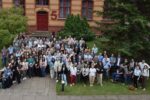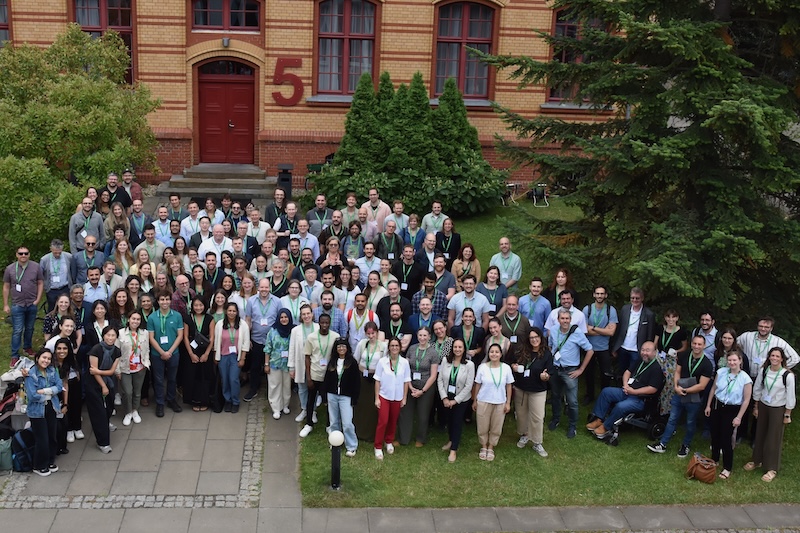
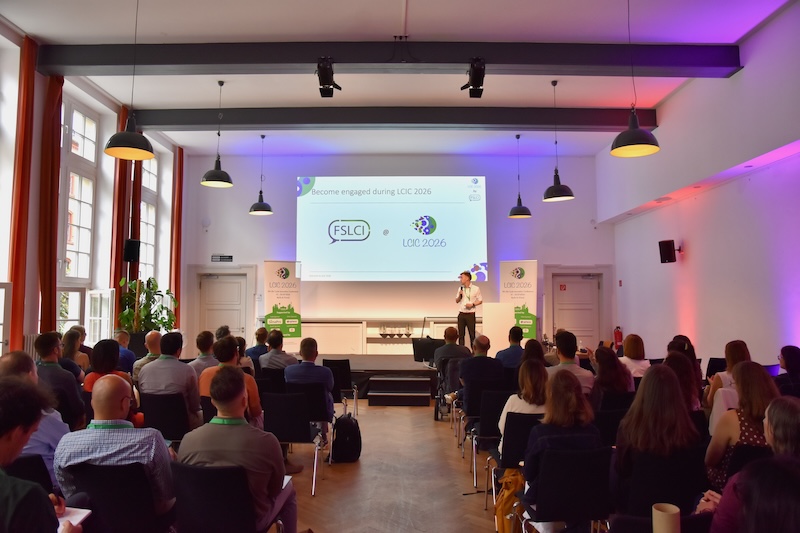
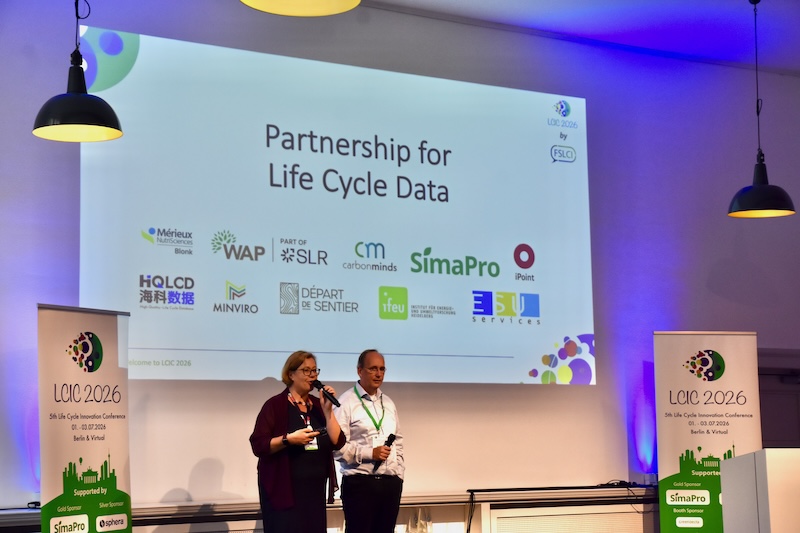
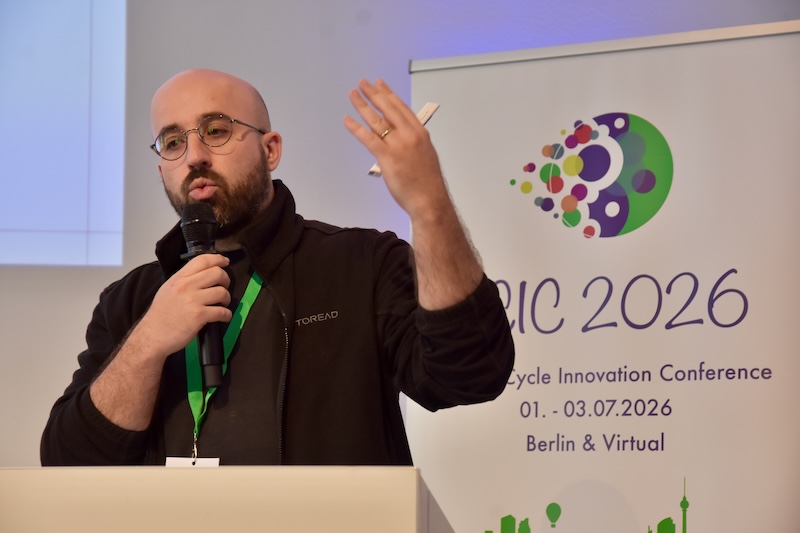
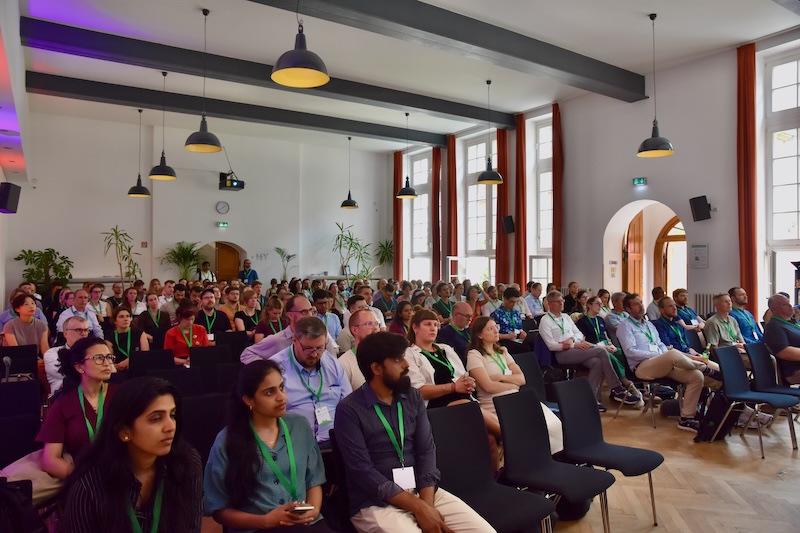
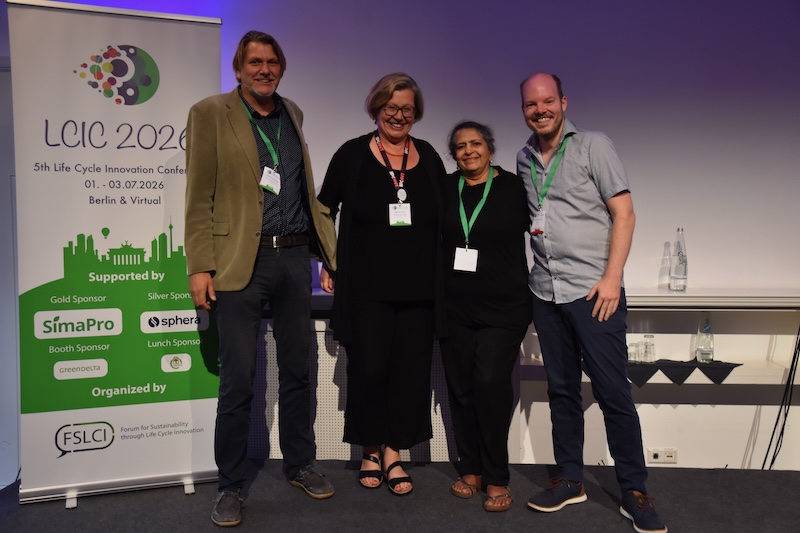
Earlier this month, we hosted the 5th edition of our Life Cycle Innovation Conference in Berlin as well as virtually. If you did not join us, here’s what you missed in short: three highly insightful and interactive conference days, 21 sessions, 15 workshops, nearly 20 barcamps, and a room full of international researchers, industry practitioners, policymakers, and students who spent the week arguing about the key questions in sustainability today.
A genuinely wide-ranging program
If there’s one thing this year’s LCIC made clear, it’s that “life cycle thinking” now touches almost every corner of sustainability practice. The first conference day focused on hot topics like AI, digitalization and data, and, after a great keynote by Gauthier Roussilhe, various sessions covered presentations on matters like AI-transformed databases and CSRD-ready dashboards to conversational LCA and LLM-driven inventory modelling.
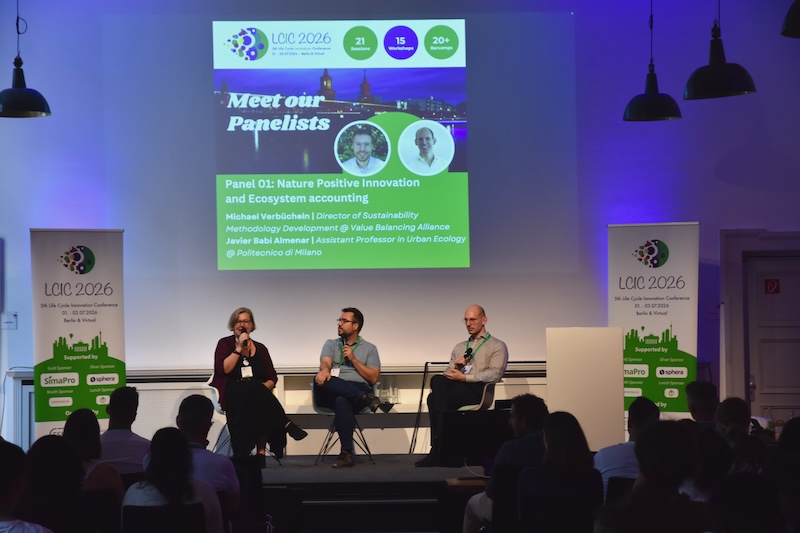
During the second conference day, sector-specific sessions put a focus e.g. on the built environment and the healthcare sector, while two sessions on prospective LCA tackled everything from biobased filtration membranes to next-generation steelmaking. Another two dedicated sessions explored whether the bio-economy delivers on its sustainability promise, and our panel discussion featured a highly interesting insight into “Nature-Positive Innovation & Ecosystem Accounting”.
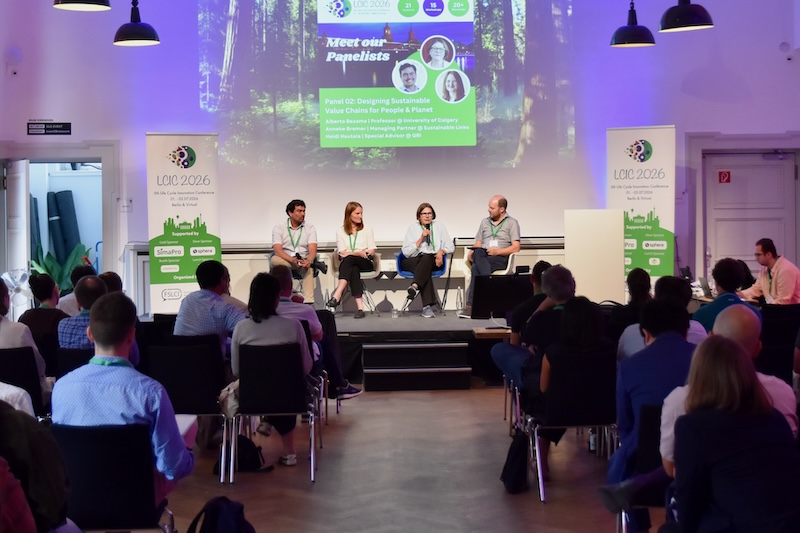
The social dimension of sustainability featured prominently in our panel on “Designing Sustainable Value Chains for People & Planet” on the last day of the conference, alongside sessions tracking the latest developments in the circular economy, textiles, and waste management sectors.
Multiple formats, one goal: Getting people to engage
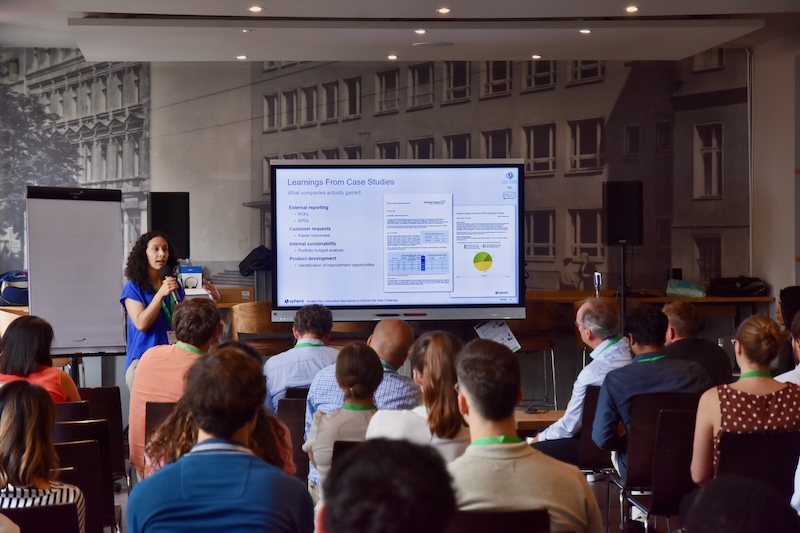
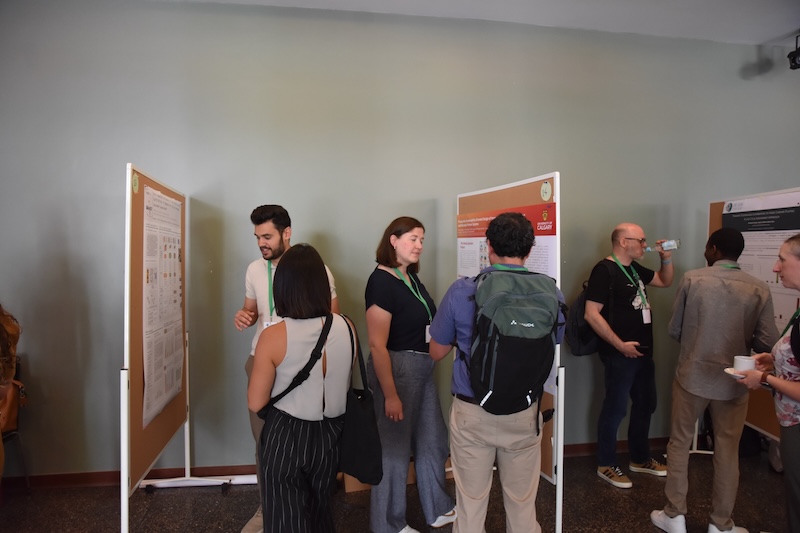
Part of what makes LCIC distinct from a standard academic conference is that it isn’t built around plenaries and PowerPoints alone. Instead, we offer a range of different formats, each doing a different job: Our 21 sessions put a great spotlight on the latest insights from the research community, while also highlighting case studies and insights from industry.
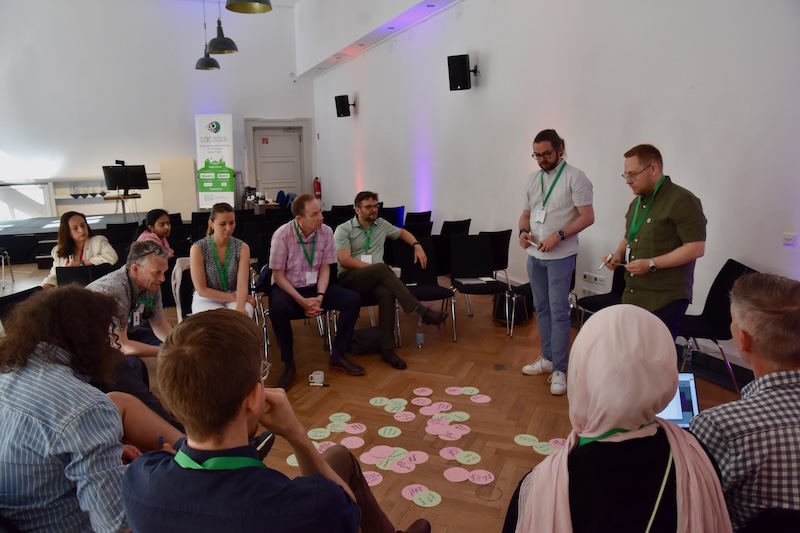
Our 15 workshops encouraged participants to work through a challenge together and offered hands-on, practice-oriented engagement opportunities covering issues such as chemical footprinting tools, advanced analysis techniques, forecasting under uncertainty, translating LCA results for non-expert audiences, or a forward-looking push on certification standards for the next generation of professionals.
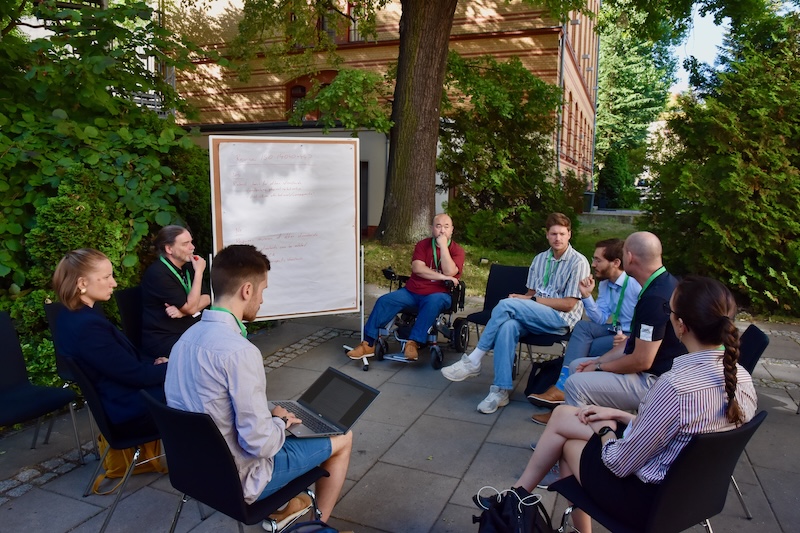
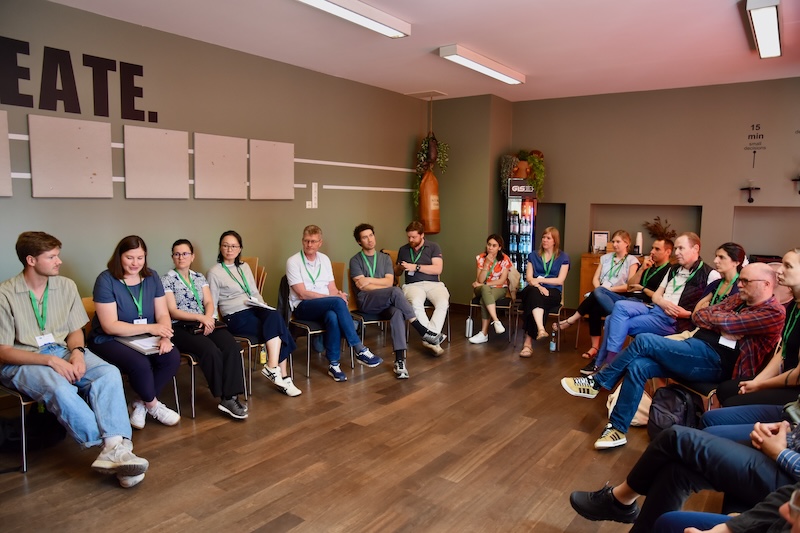
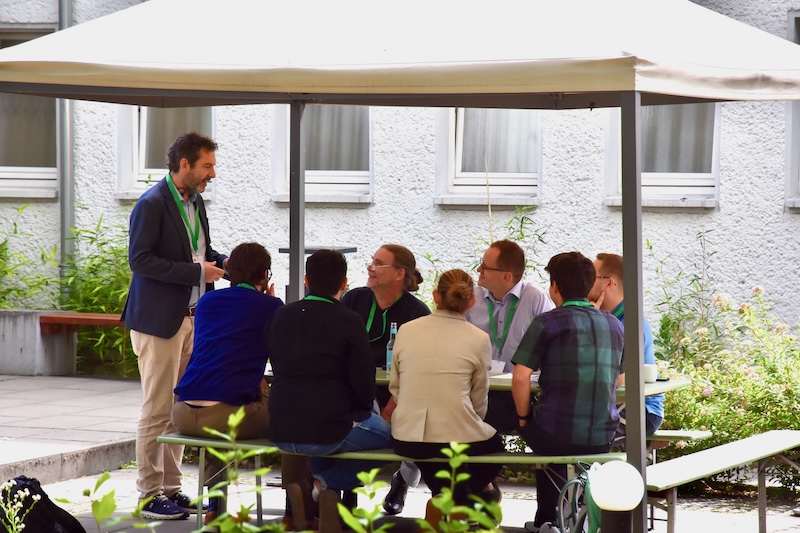
Our various barcamps made passive participants into active contributors by co-creating a third of our conference agenda in real time and offering discussions on topics such as “What is the role of science in LCA?” or “How to bridge the gap between policy, industry, and academia” or “Standardisation of LCA/PCF data reports”.
Taken together, the program reflected what LCIC has always aimed to be: a place where deep technical rigor and real-world application meet across every corner of the life cycle community while offering a multitude of engagement opportunities.
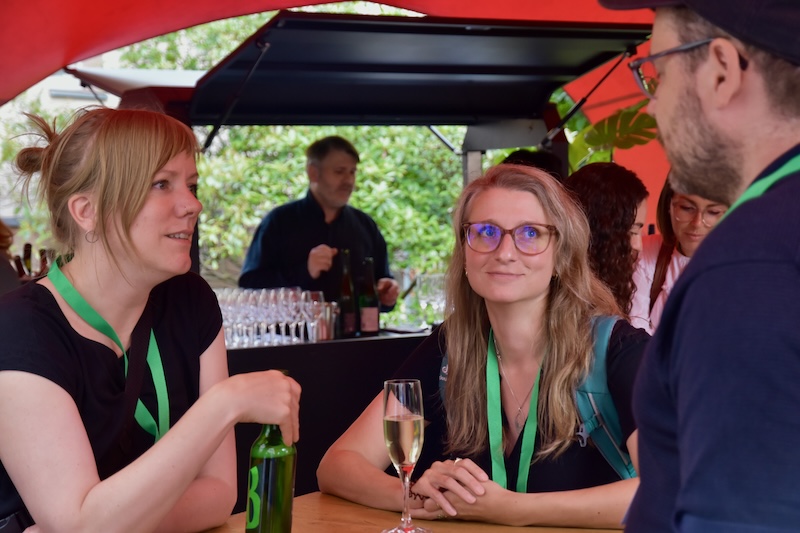
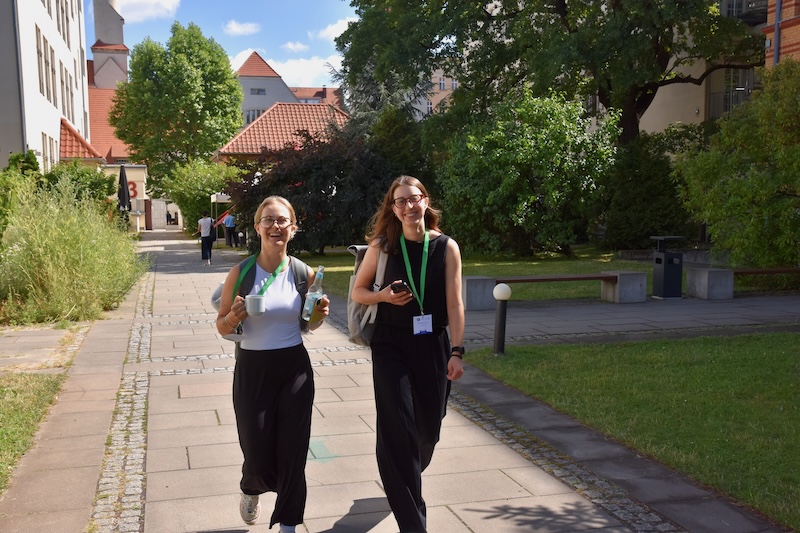
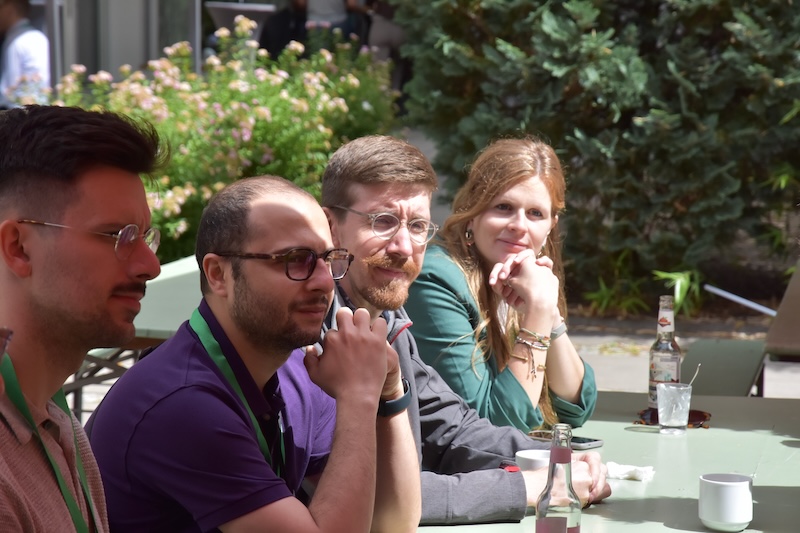
During the conference, it was amazing to see the program come to life and feel a spirit of collaboration and co-creation, which was also reflected in the data. In this year’s post-conference survey, 83% of respondents said the mix of formats worked very well, and it was the single most-cited reason people gave for what made attending LCIC 2026 worthwhile.
What people actually took away
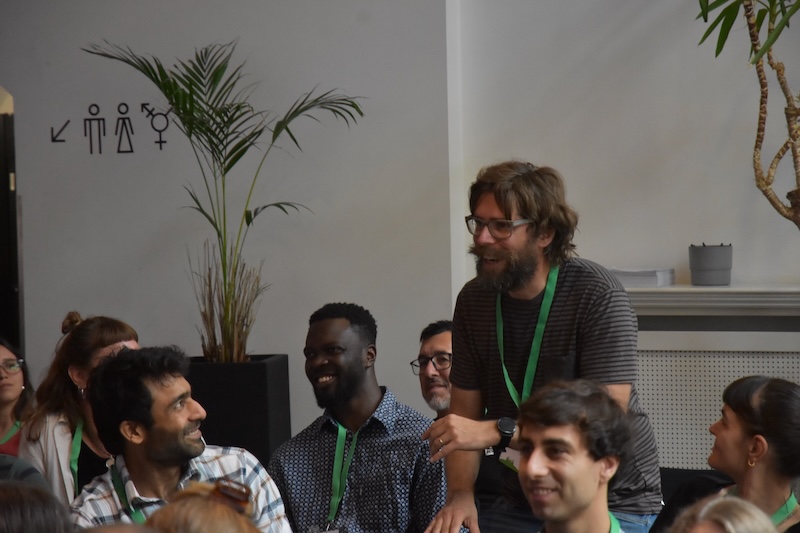
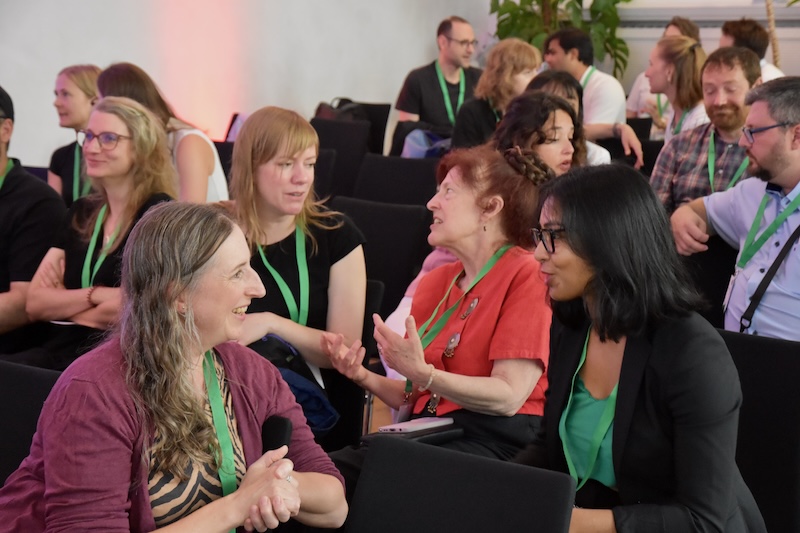
Now, beyond the hard statistical data, let’s take a look at what participants themselves said about their experience at LCIC 2026. Here are a few examples:
“I leave the conference with new insights, meaningful connections, and fresh inspiration.”
Silu Bhochhibhoya, Senior Researcher @ Zuyd University of Applied Sciences
“The conversations, presentations, and networking made the event both insightful and inspiring. (…) Your efforts created a fantastic platform for learning, connecting, and collaborating.”
Asfand Yar Munir, Manager @ Holcim
“Some conferences give you new knowledge. Others give you direction. For me, LCIC 2026 gave me both.”
Salisu Abubakar, Student Volunteer
In our post-conference survey, similar themes surfaced independently: several attendees pointed to the keynote and panel discussions as genuinely thought-provoking rather than the usual conference filler, with one describing the format as feeling “like listening to some of my podcasts — in a very good way.” Others flagged the value of seeing academic rigor and industry case studies sitting side by side in the same room, rather than at separate events entirely.
That combination — researchers, practitioners, and policymakers actually in the same conversation — is the thing that makes our conference so unique, and the thing that’s hardest to get from reading papers or watching a recorded talk after the fact.
Did we deliver for our participants?
With busy schedules and limited budgets, it’s a fair question for anyone deciding whether a conference like this is worth three days out of the office. The clearest answer we have is what attendees told us afterward: every single survey respondent said LCIC 2026 met or exceeded their expectations. 84% said they’d absolutely recommend it to a colleague. The average experience rating came in at 8.3 out of 10, and 84% said they’re likely or highly likely to be back for LCIC 2028.
None of that means the conference was flawless. We initially faced a few technical issues in bringing in our virtual participants, and the event app did not work smoothly for some participants. We have also already identified various additional aspects to improve the participant experience for the next conference.
Join us in 2028 — or sooner
Now, while LCIC happens only every two years, the community behind it doesn’t pause in between. We run webinars throughout the year, our working groups are continuing their work, and we continue to host smaller and regional events year-round, such as our upcoming Summer School in Malmö this August, our first-ever conference in India in September or our workshop on DPP in December. So there’s no need to wait until 2028 to get involved.
If this recap made you wish you’d been in the room, become an FSLCI member now for free access to all our webinars and the wider life cycle community, and keep an eye on this space for what’s next. We’ll be sharing more insights from LCIC 2026 in the coming weeks — and we’d love to see you in Berlin, or virtually, for our next big conference in 2028! Sign up now for our newsletter to get the latest updates!
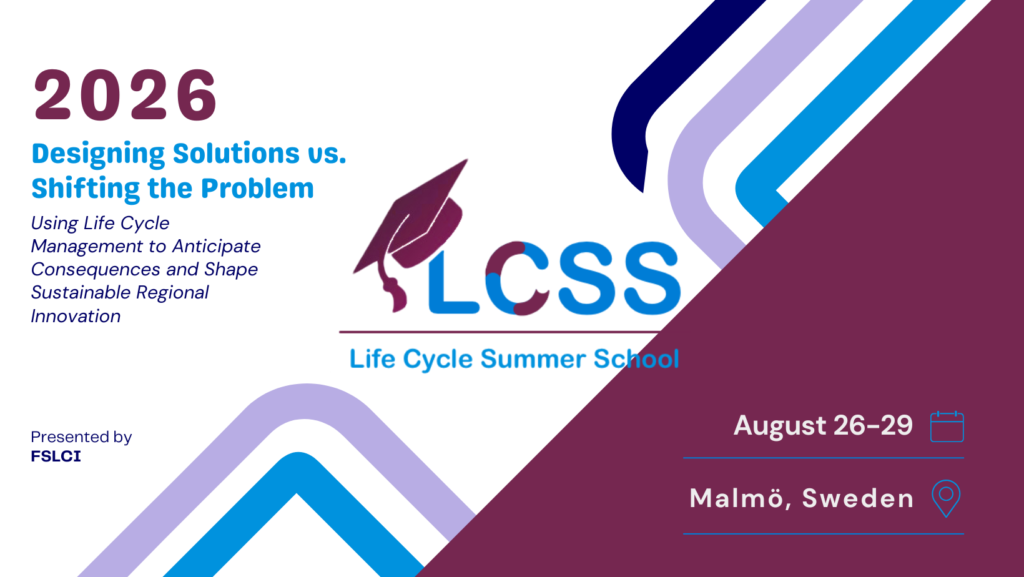
We are thrilled to open applications for our Life Cycle Summer School 2026 — a four-day intensive program we are hosting this year in Malmö, Sweden from 26–29 August 2026. LCSS 2026 is being organized under the theme: Designing Solutions vs. Shifting the Problem: Using Life Cycle Management to Anticipate Consequences and Shape Sustainable Regional Innovation.
Each year, we bring together researchers, industry professionals, and regional managers to explore how life cycle management (LCM) can drive regional sustainability in a practical, policy-oriented way. This year, our theme places innovation under the spotlight — not to celebrate it uncritically, but to ask a harder question: are we designing real solutions, or merely shifting problems elsewhere? Regions play a pivotal role in creating the conditions under which innovation thrives, yet that enabling role comes with real responsibility: we believe regional actors must not only foster innovation, but actively steer it toward outcomes that are ecologically sound, socially equitable, and long-term viable.
In our program, we focus on how LCM can anticipate critical consequences before decisions are locked in — equipping participants to assess innovations before they scale and to design solutions in harmony with systems, resources, and society. Through our mix of short lectures, intensive workshops, and lively discussion sessions, we will dive together into regional ecosystems to uncover how stakeholders can collaborate to identify potential pitfalls before they become embedded in infrastructure. We welcome applications from undergraduate, doctoral, and post-doctoral students, young professionals and researchers under 40 — and we especially encourage officials from regional institutions to join us.
Year after year, our participants tell us that the Summer School is one of the most rewarding experiences of their professional journey — not just for the knowledge and tools they take home, but for the connections they make along the way. Past editions have brought together brilliant, passionate people from across academia, industry, and public life, and many of those relationships have grown into lasting collaborations. We work hard to make sure every edition is intellectually stimulating, practically useful, and genuinely fun. So — apply now! Places are limited and applications are reviewed and accepted on a rolling basis, so we strongly encourage you to apply as early as possible. And if you submit your application before 31 May 2026, you will also benefit from our early bird discount.
We hope to see you in Malmö this August!
FSLCI is thrilled to announce the inaugural Indian Conference on Life Cycle Insights for Sustainability (LCIS 2026), and we couldn’t be more excited to support the Indian life cycle community in coming together on a dedicated national platform. Born out of the enthusiastic participation and excellent feedback from our seminar “Scaling Sustainability through Life Cycle Thinking” held in Bengaluru in October 2025, LCIS 2026 is a direct response to our community’s strong desire for an Indian forum — and we are proud to make it a reality.
The conference is jointly organized by FSLCI, the Goa Institute of Management (GIM), and the Council for Research on Policy and Governance (CRPG). It takes place on September 11–12, 2026 at GIM, Sanquelim Goa — with virtual attendance also available — and will bring Indian and global life cycle communities together for a curated experience of knowledge-sharing, collaboration, and innovation. LCIS 2026 will explore five key themes: Technology use in LCA; Life Cycle education; LCA methodology developments; An Indian roadmap for scaling up LCT/LCM/LCA; and Moving beyond product LCAs. Much like FSLCI’s LCIC series in Berlin, the event will feature sessions and workshops designed to spark dialogue and foster real connections among researchers, practitioners, entrepreneurs, and decision-makers.
GIM’s scenic Goa setting is more than a beautiful backdrop — the region’s active engagement with sustainability challenges around coastal management, tourism, and climate resilience makes it a fitting home for this conference. GIM has developed a sustainable events framework, and the organizers are committed to leading by example with a low-impact event.
The call for abstracts and workshop proposals is now open, with a submission deadline of May 31, 2026. We warmly invite changemakers, innovators, and sustainability champions to submit their ideas and help shape a diverse, community-driven program. Save the date, submit your abstract, and join us in Goa — or virtually — for this landmark event!
Today, we are happy to announce that tickets for the Life Cycle Innovation Conference (LCIC) 2026 are now available! We invite you to get your Early Bird Ticket now and join us in July!
LCIC has always been built around one simple idea: a conference should not just be a place to present results — it should be a place to Collaborate • Innovate • Co-Create!
And the community response already shows this spirit. We received more than 20 workshop proposals, meaning a large part of the programme will be hands-on, discussion-driven, and highly interactive. Expect facilitated sessions, joint problem-solving, and real exchange between researchers, practitioners, and policymakers — not just passive listening.
Limited On-Site Participation
To preserve the interactive atmosphere LCIC is known for, in-person participation is intentionally limited to around 200 participants. We are releasing physical tickets in batches to ensure that all presenters and workshop hosts can secure a ticket in time, and thus we currently have 0 physical tickets available.
This means the conference will not scale into a large anonymous event — it remains a working environment where you can actually talk to people, meet collaborators, and meaningfully engage in sessions. If you are planning to attend in person, we strongly recommend securing your ticket early.
👉 Early Bird tickets are available until 31 March.
Our virtual conference option — Join us from anywhere in the world!
At the same time, we know not everyone can travel. That is why LCIC 2026 again offers a fully developed virtual participation option.
Importantly, the virtual conference is not simply a livestream of the physical event. We are designing the program so that online participants can actively contribute, discuss, and collaborate. Interactive sessions, moderated discussions, and shared engagement formats are being built specifically for remote attendees. Whether you join on-site or online, you will be part of the same community experience.
LCIC brings together academia, industry, and policy with one shared goal: moving life cycle thinking forward together. If you want meaningful conversations, approachable experts, and concrete takeaways you can use in your work, this is the place to be.
🎟️ Get your ticket before 31 March and join us to innovate, collaborate, and co-create!
We look forward to welcoming you to LCIC 2026 — onsite or online.

We are pleased to announce the election of Charlene Vance, Elena Corella Puertas, Kevin Harding, Rajat Batra and Wafa Wafaurahman into our Board of Directors during our General Assembly on November 26. They join the four members elected in 2024 to form the new FSLCI Board of Directors. Our new Board members represent the diversity and international nature of our community:
Charlene Vance is a Research Engineer at University College Dublin with a strong academic background in mechanical and energy engineering. Her work focuses on integrating LCA with systems modelling and assessing renewable power and hydrogen in the Irish energy system. She also co-founded FSLCI’s Early Career Researchers group.
Elena Corella Puertas will take up a position as Assistant Professor in LCA at the Technical University of Denmark (DTU) in 2026. With experience across academia, research institutes, and industry, she brings expertise in LCA method development and currently chairs the Plastic Footprint Network Scientific Committee.
Prof. Kevin Harding is an Associate Professor at the University of the Witwatersrand in South Africa, specialising in LCA and sustainable engineering. With over 70 peer-reviewed publications and international research experience, he contributes extensive scientific and teaching expertise.
Rajat Batra is the co-founder of STENUM Asia and a leading practitioner in LCA, carbon footprinting, and circular economy transitions across South Asia. With decades of entrepreneurial and sustainability consulting experience, he brings deep practical insight into implementing high-impact sustainability solutions.
Wafaurahman Wafa is an environmental scientist and sustainability researcher with expertise in LCSA, O-LCA, LCC, and environmental impact assessment with a PhD from Universiti Putra Malaysia. Before moving to Germany, he served as Chair and Senior Lecturer at Kabul University’s Department of Environmental Sciences and contributed to several national technical and environmental committees.
Board members are voted into office for a two-year term and can be re-elected only once in order to ensure that the Board provides the Executive Committee regularly with new perspectives and strategic insights. FSLCI’s Board of Directors is responsible for defining the association’s strategic direction, overseeing its governance, and supervising the work of the Executive Committee. Its responsibilities include approving financial plans, auditing annual reports and accounts, determining membership and financial policies, and reporting to the General Assembly. The Board of Directors convenes monthly to ensure that FSLCI remains transparent, accountable, and aligned with its mission to advance life cycle thinking globally.
We would like to express our gratitude to all outgoing Board members for their support throughout the last few years, and are looking forward to working together with our new Board of Directors as we continue strengthening the global life cycle community.
We are excited to invite you to submit your abstract for our 5th Life Cycle Innovation Conference (LCIC 2024), which will take place from 01 – 03 July 2024 in Berlin, Germany and virtually around the world!
We are thrilled to organize LCIC 2026 again as a hybrid conference next year in order to allow as many participants as possible from all over the world to join us!
Much like with our previous conferences, we aim to create a unique atmosphere of collaboration and community. To this end we will again offer a unique mix of traditional scientific sessions, engaging workshops, and our unique barcamp discussion sessions. As one of our conference participants once put it: “LCIC is so much more than a conference. It’s a think tank!” – and we are aiming to recreate this special feeling!
Much like last year we will build a program with dedicated elements for physical as well as for virtual conference participants to ensure that no matter where you are – in Berlin or somewhere else in the world – you will still enjoy LCIC 2026!
We hope you are as excited as we are about LCIC 2026 and invite you to submit your abstracts and workshop proposals now to help us create a highly insightful, diverse, and interesting program! The deadline for abstract submissions is the 31st of January 2026!
More info on the conference is available here: https://fslci.org/lcic/lcic2026/
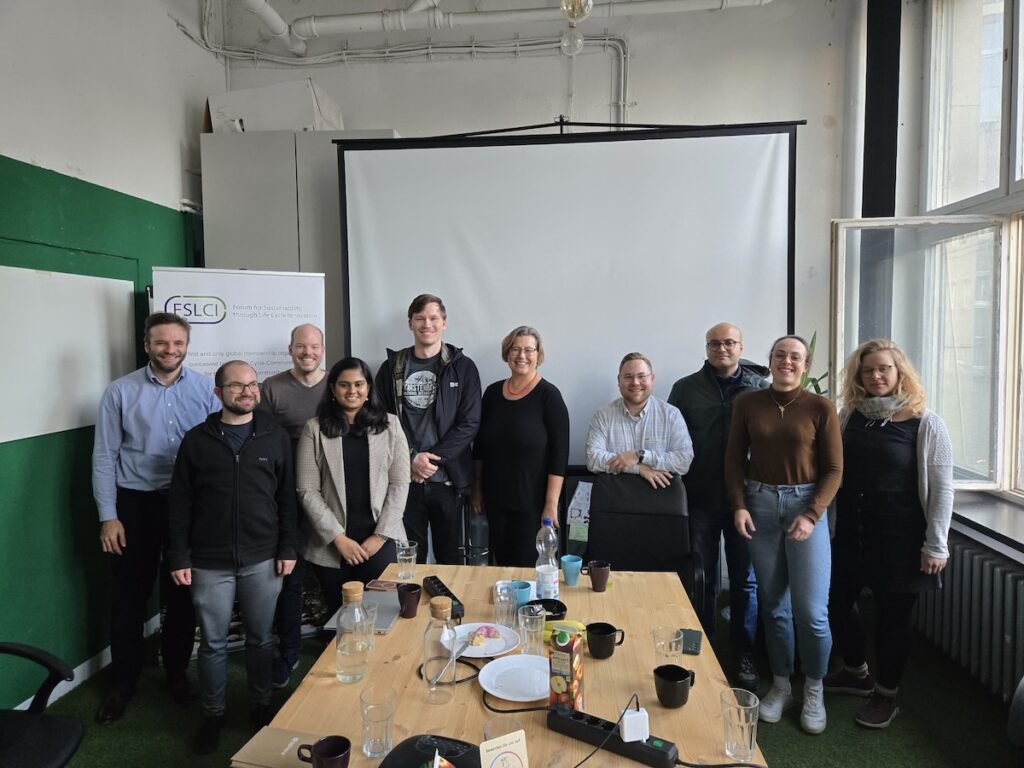
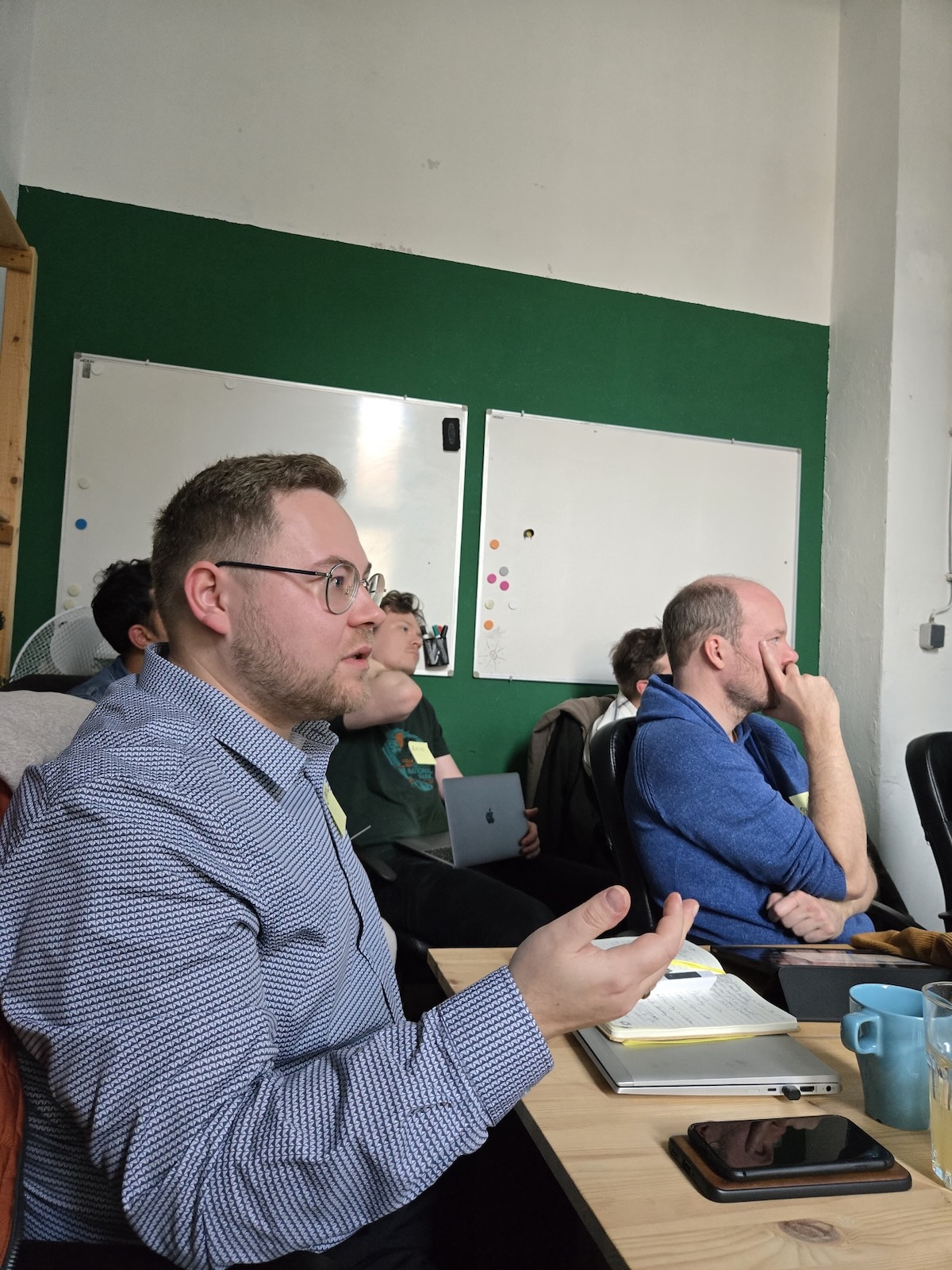
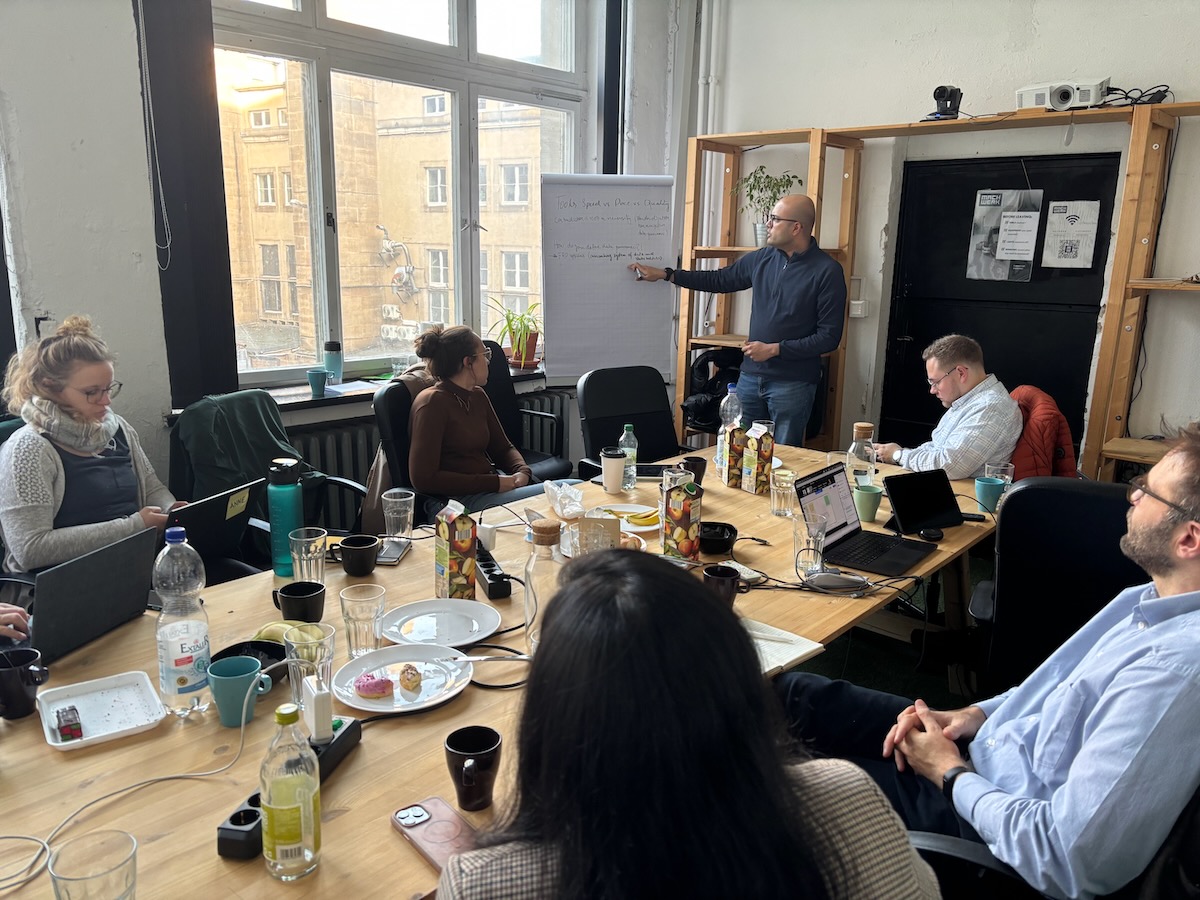
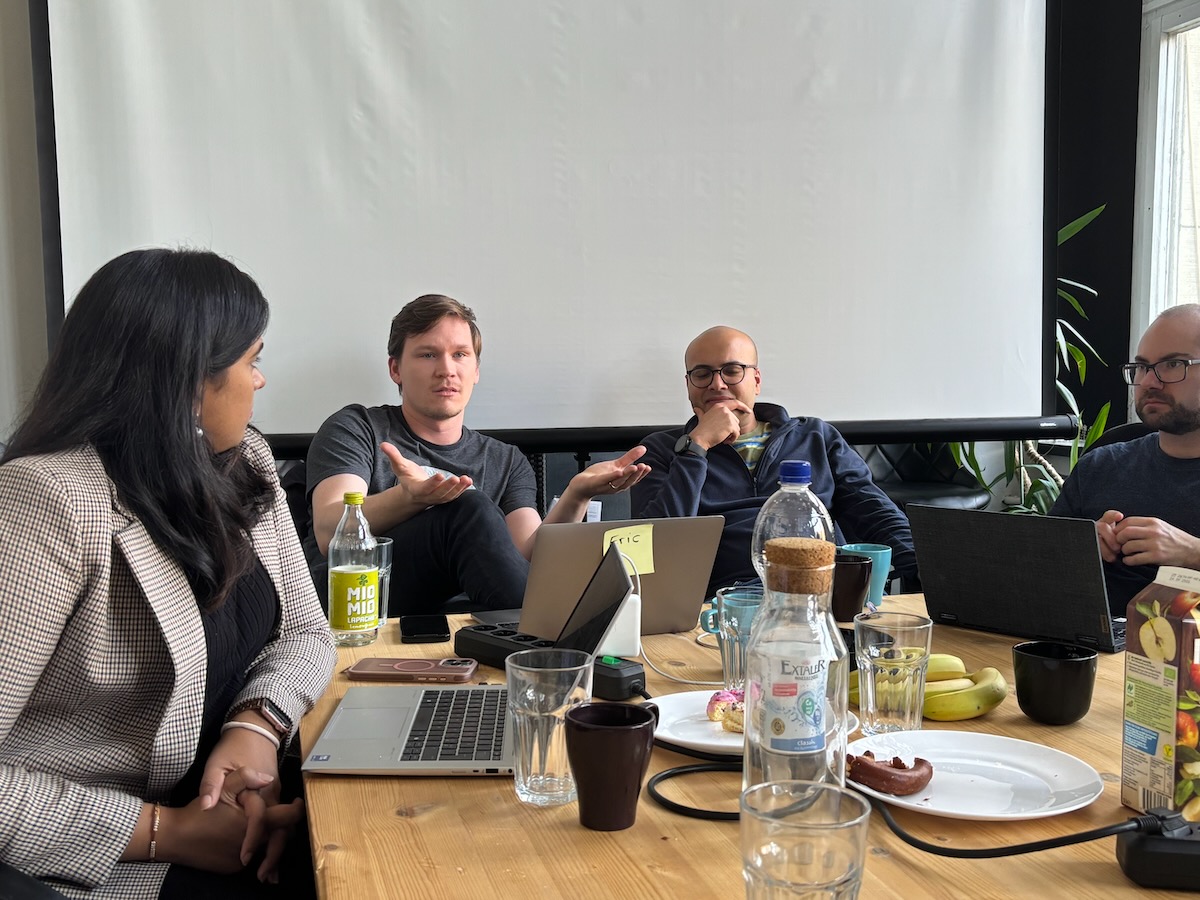
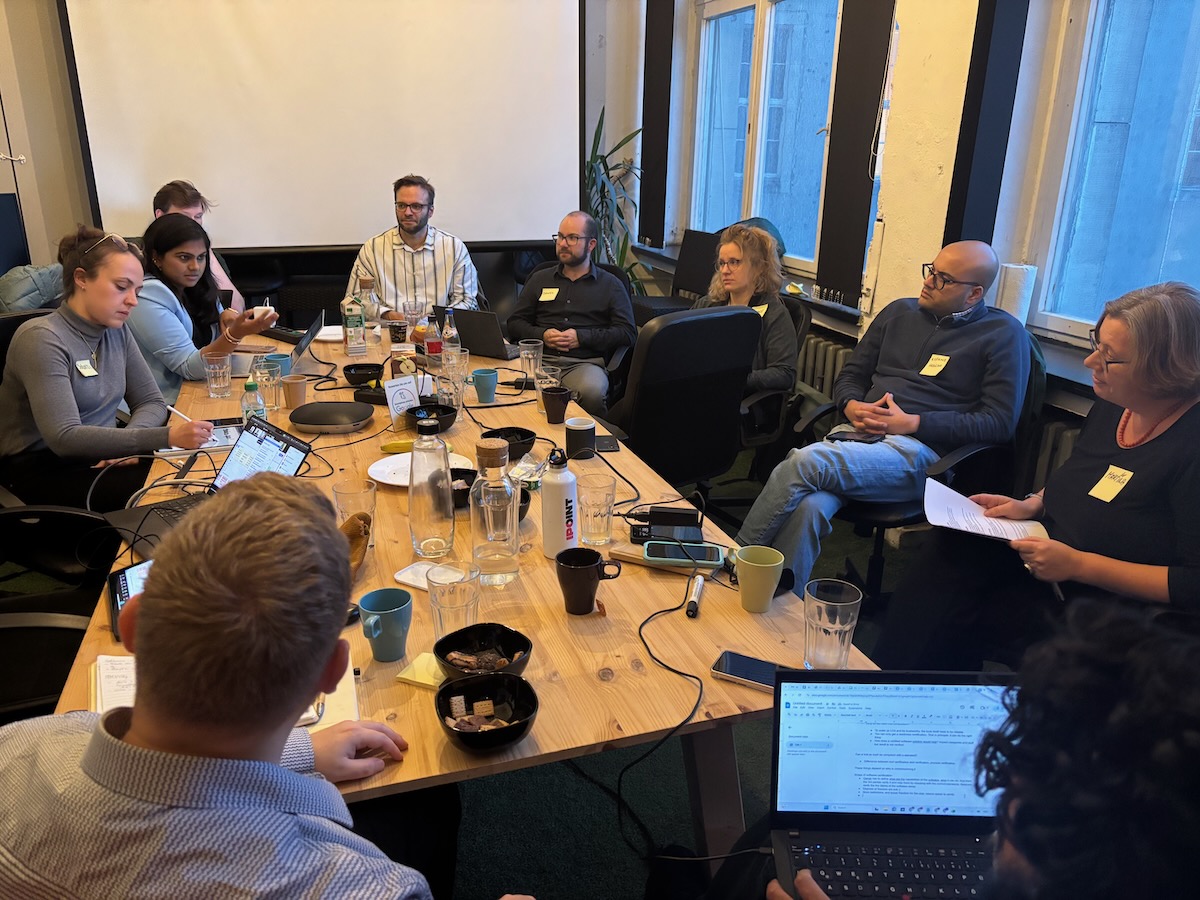
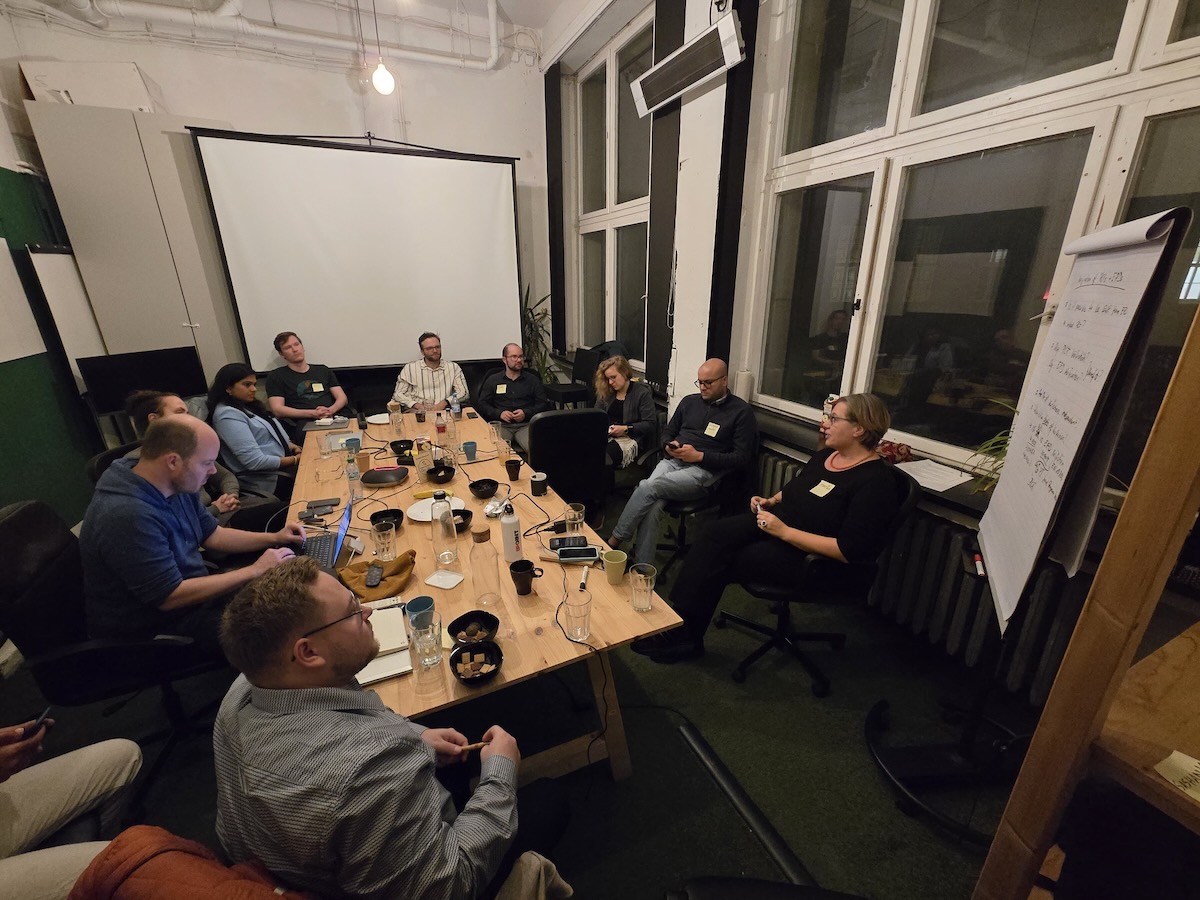
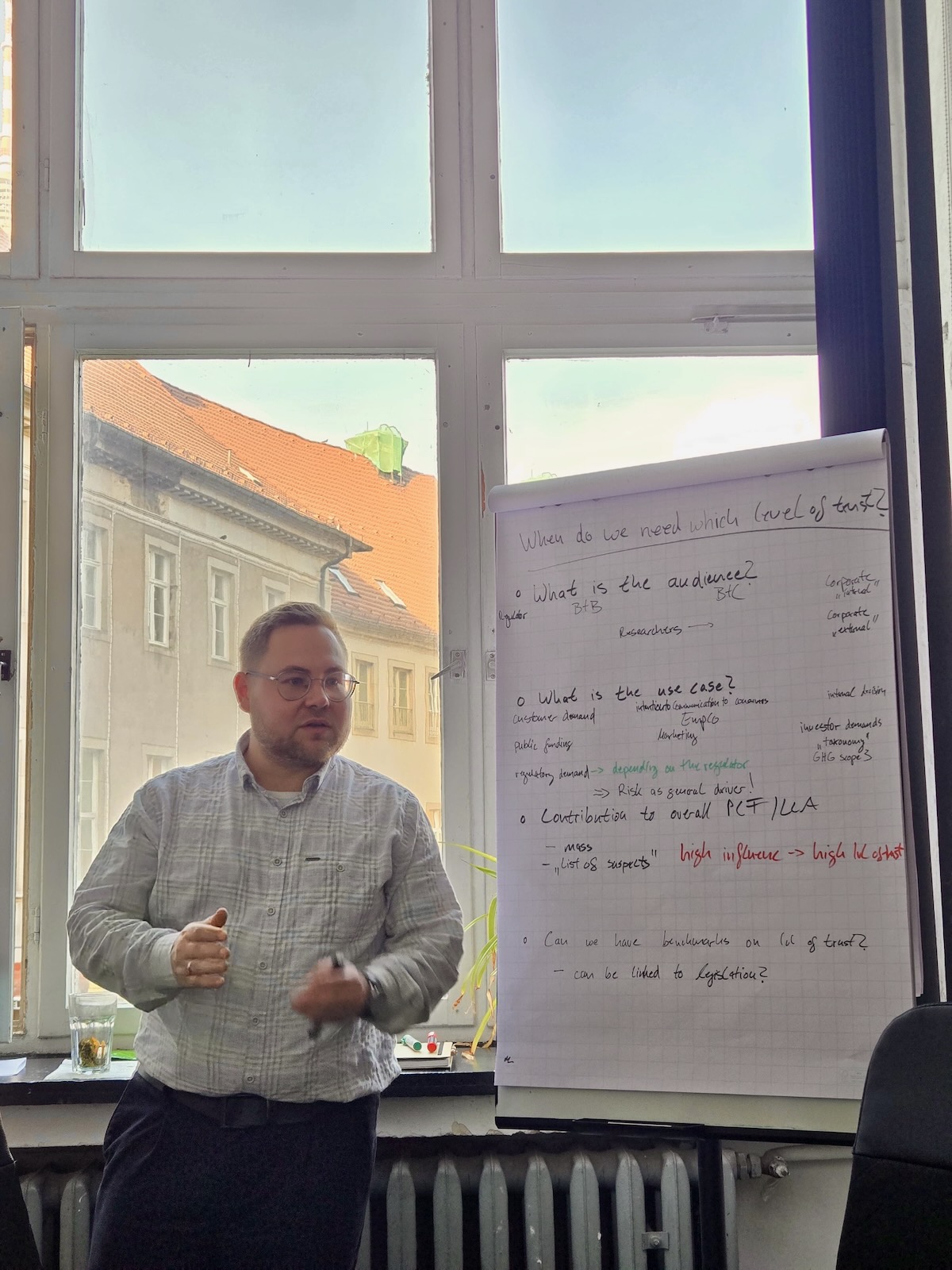
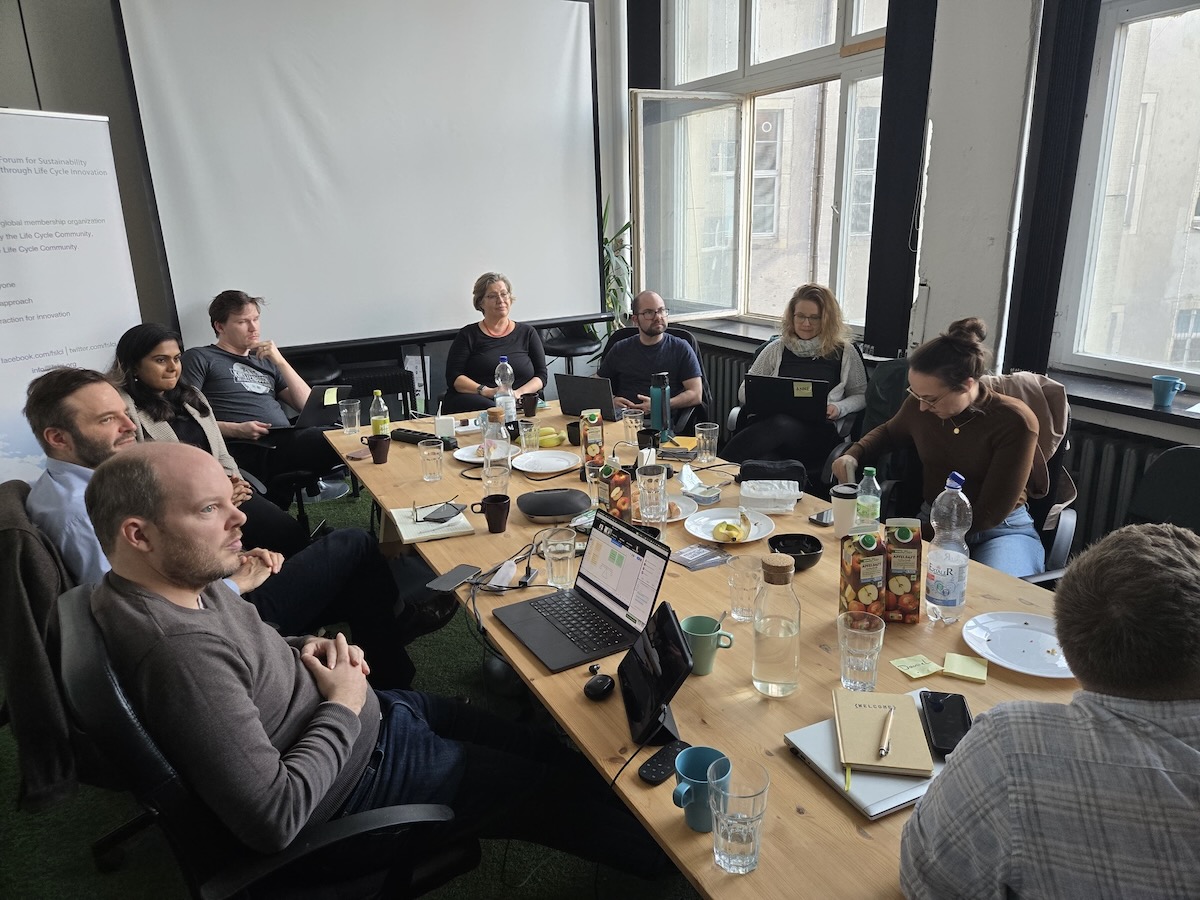
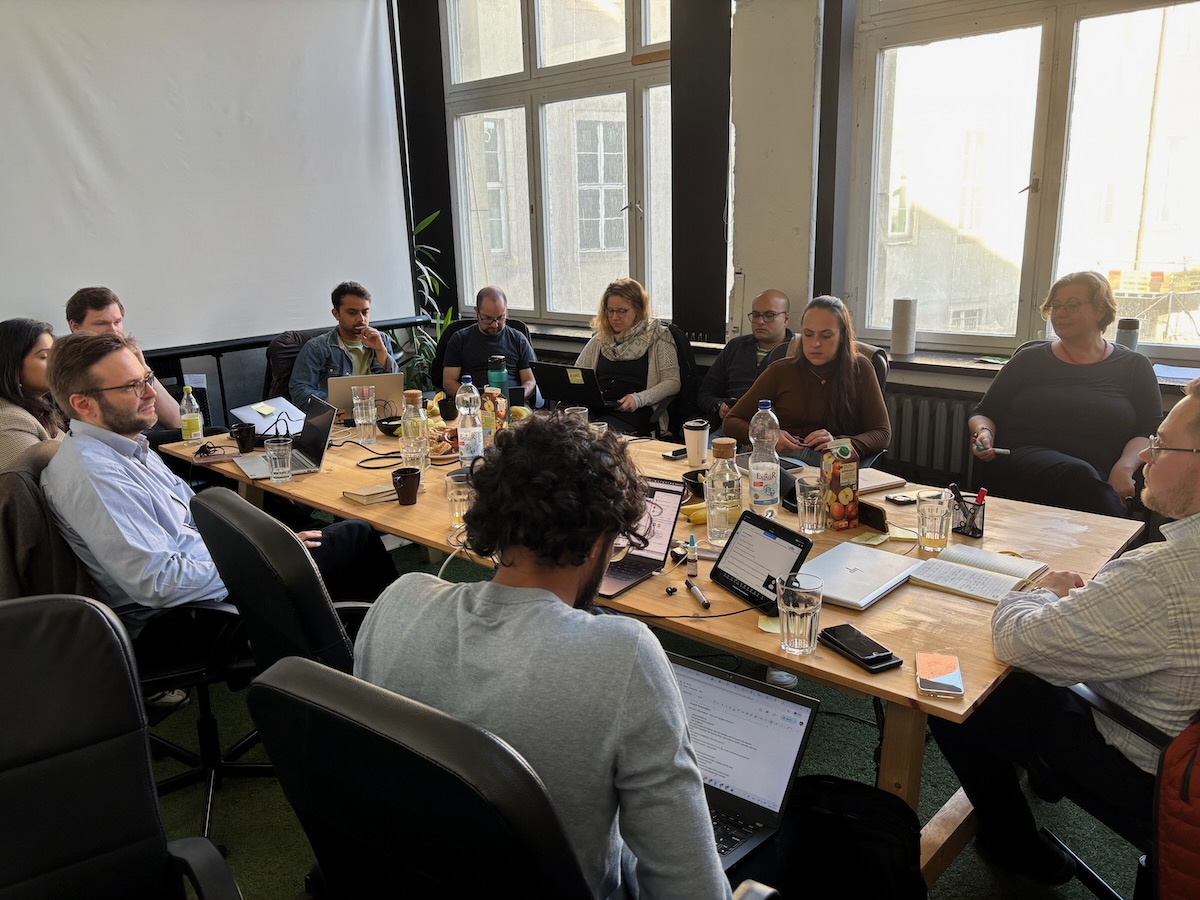
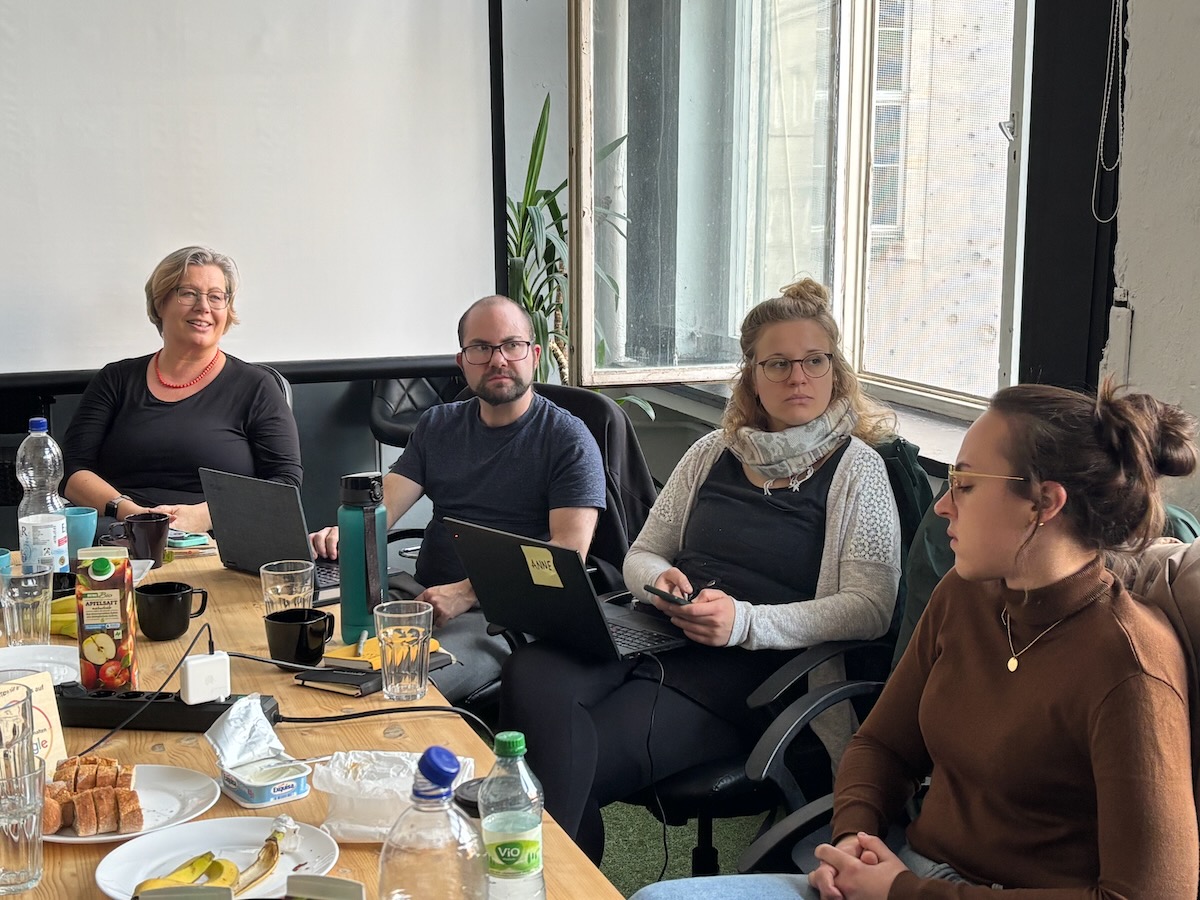
Earlier this week, we hosted the fourth workshop in our Sustainability Insights workshop series under the theme “Building Trust in LCA: The Power of Verification and Critical Review”. The 2-day event brought together around 30 life cycle practitioners (onsite and remote) from all over the world who discussed a wide range of questions aimed at enhancing the quality and credibility of LCAs, PCFs and EPDs.
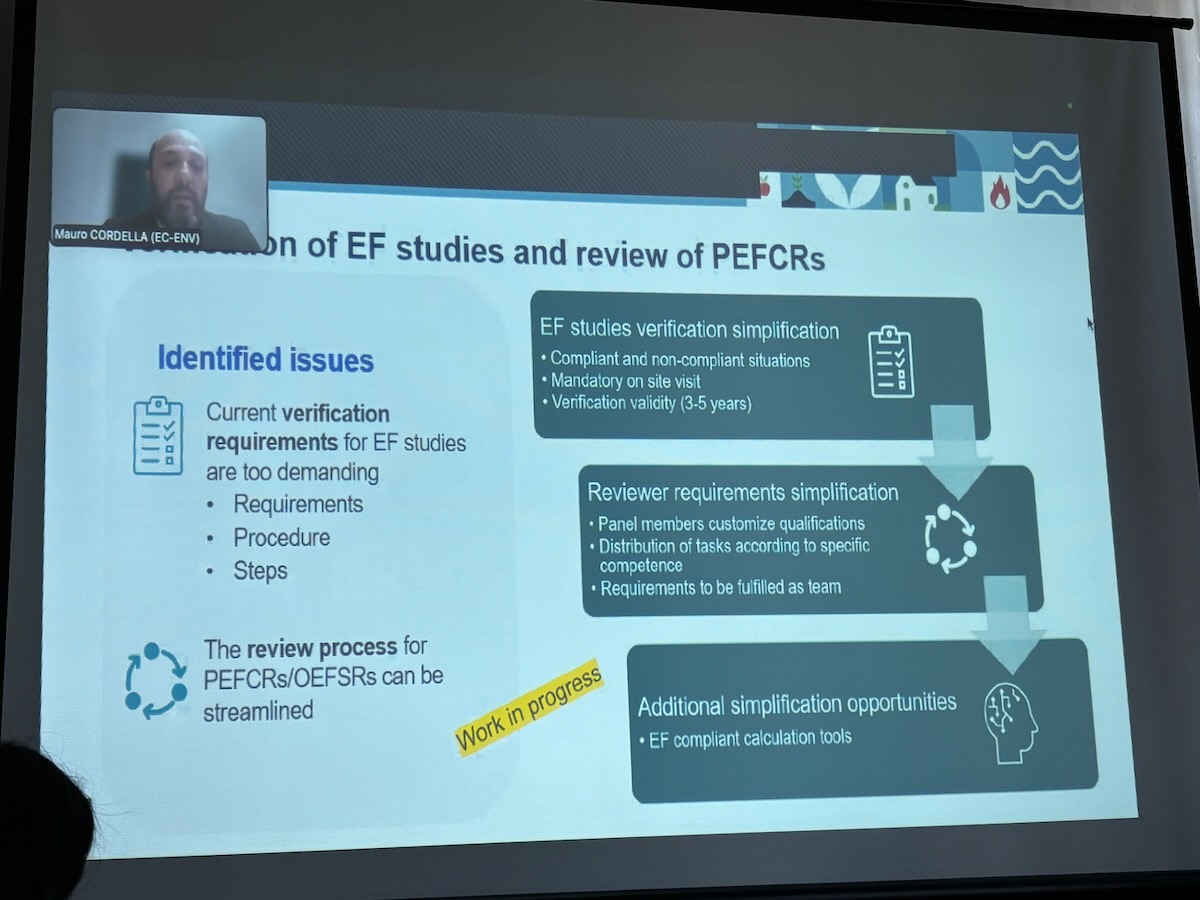
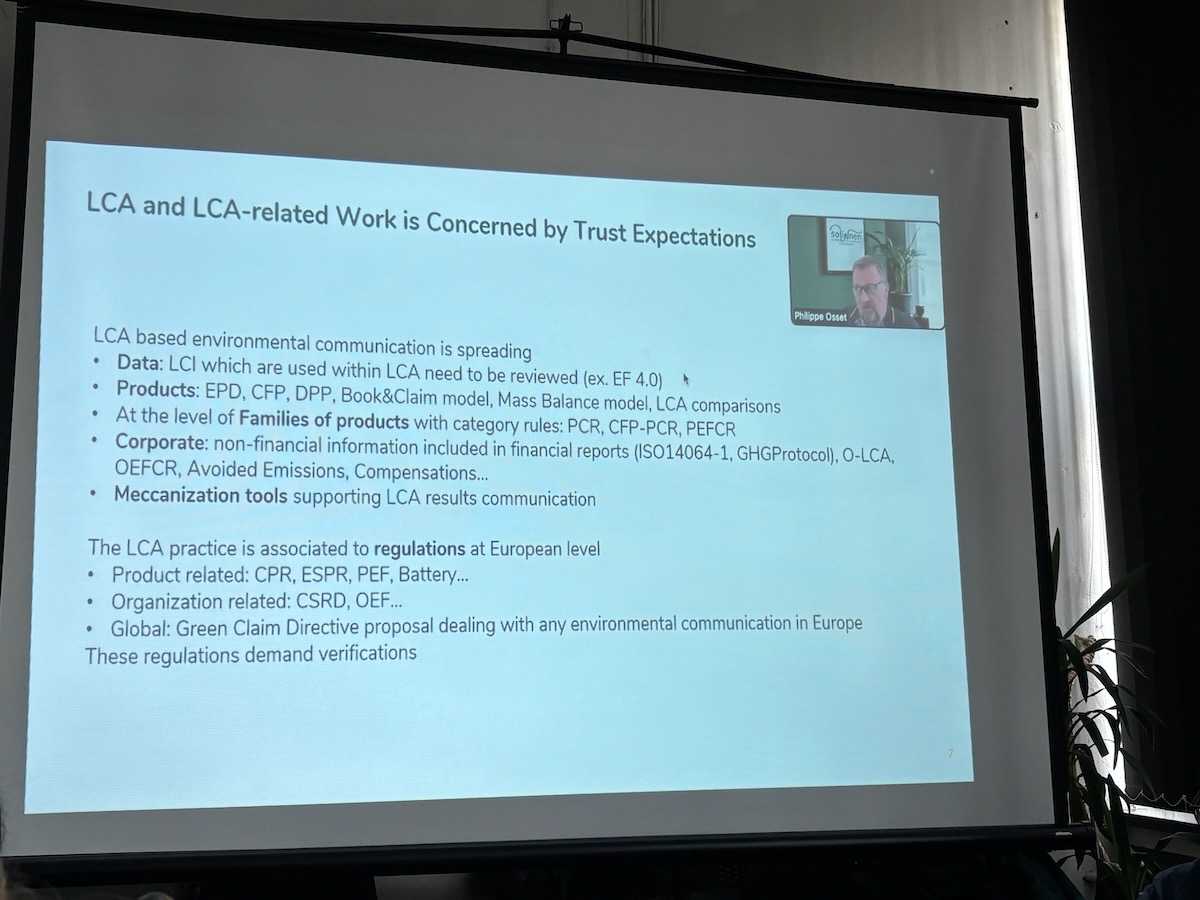
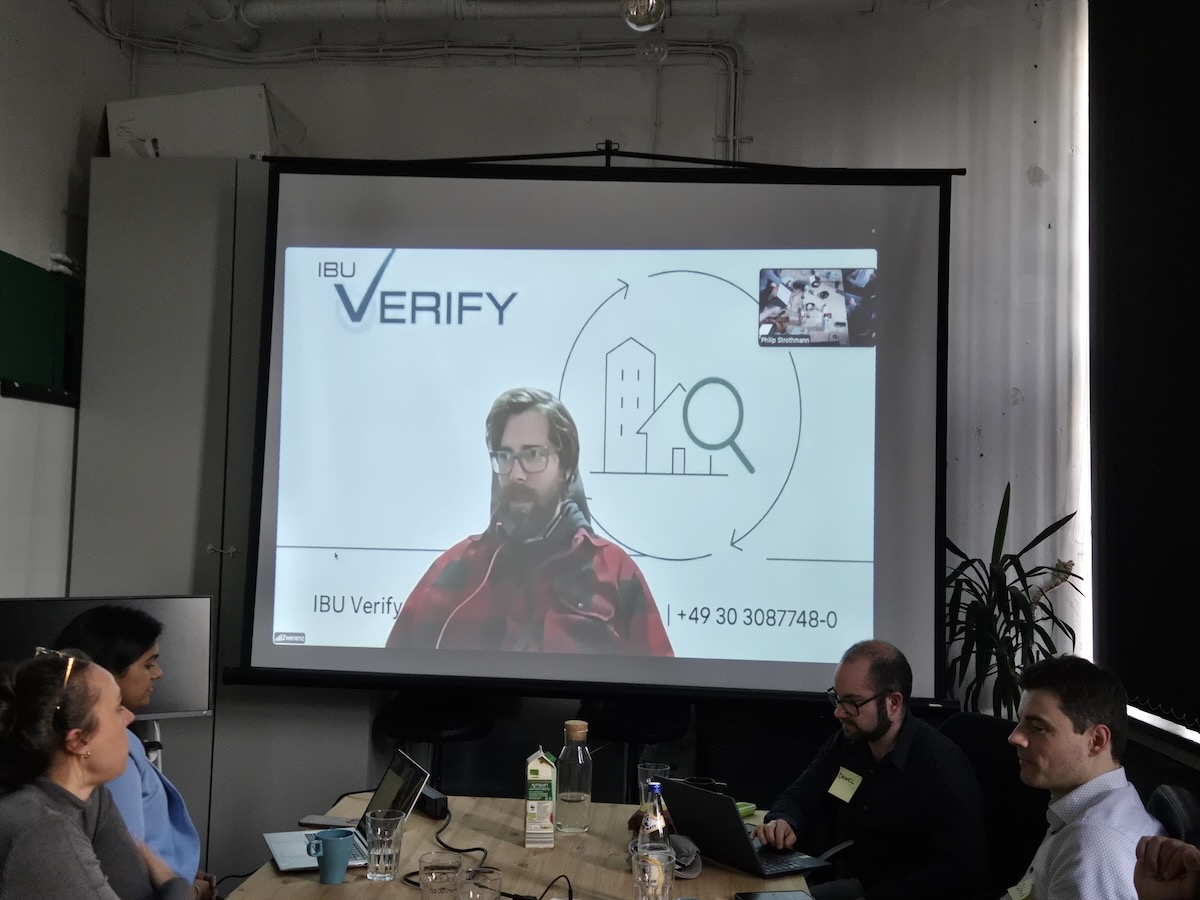
The event started with an input session with presentations from Mauro Cordella (DG Env, European Commission), Patrick Ober (ISCC), Daniel Philipp Müller (TÜV SÜD), Philippe Osset (Solinnen) and Stefan Zwerenz (IBU Verfiy). During his presentation, Mauro highlighted that the focus during the transition phase of Environmental Footprint program lies on simplifying verification procedures and improving data quality and uncertainty assessment. Patrick introduced ISCC’s Carbon Footprint Certification (CFC), explaining its aim to support standardized and reproducible product carbon footprint certifications for various products. Daniel outlined the work of TÜV SÜD and explained the different types of conformity assessments, including third-party assessments, and discussed the need for scalable LCA solutions. Philippe presented on critical review and verification practices in environmental communication, emphasizing the importance of trust and credibility in data. Stefan discussed the establishment of IBU Verify as an independent verification body and their goals to ensure accurate ecological data for construction products.
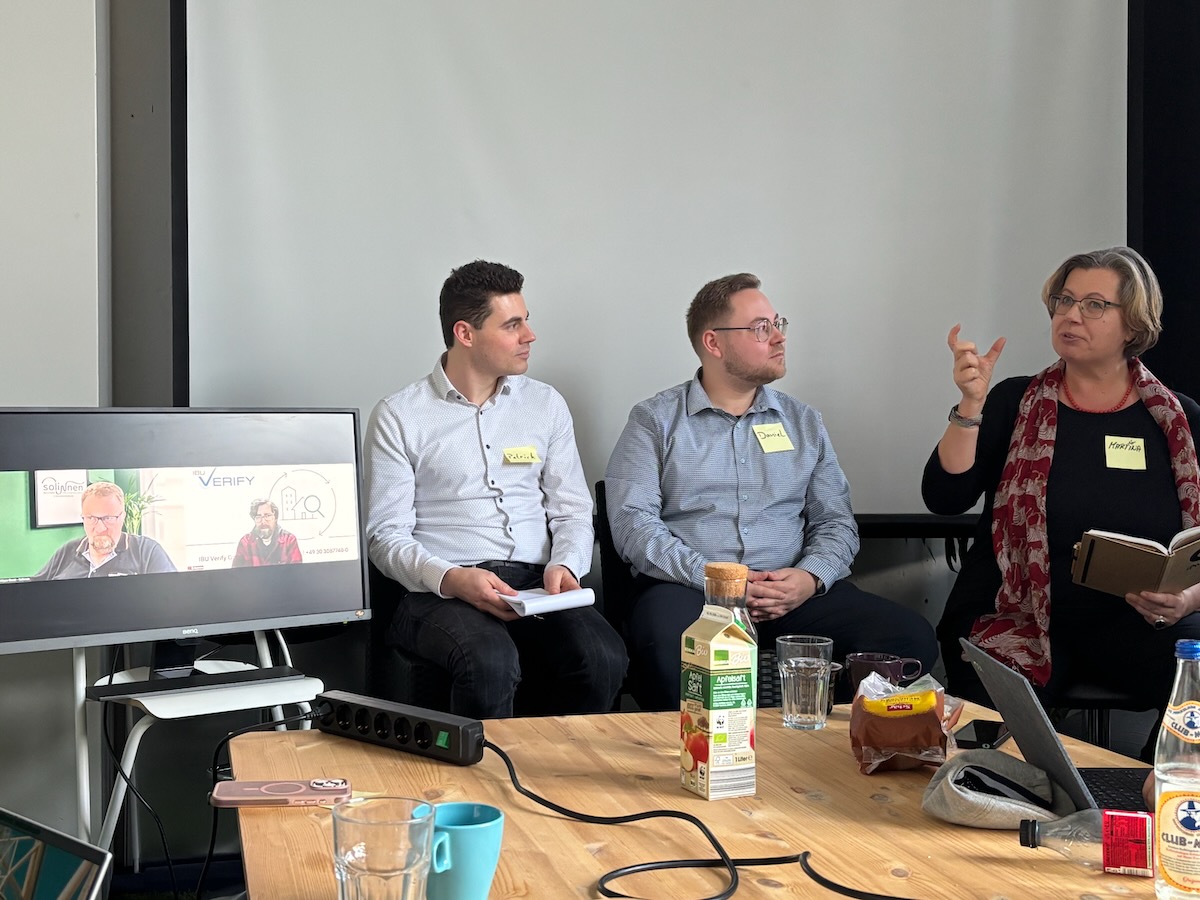
Following the individual presentations, the speakers joined a panel discussion during which they discussed data quality rating approaches, uncertainty handling, and the role of third‑party assessments, while also noting that upcoming regulations may not fully support system‑level assurance. The panelists also discussed the training and certification of auditors and the costs associated with EPD verifications.
For the workshop sessions, participants voted on a range of topics and chose to focus during their discussion session on the following topics:
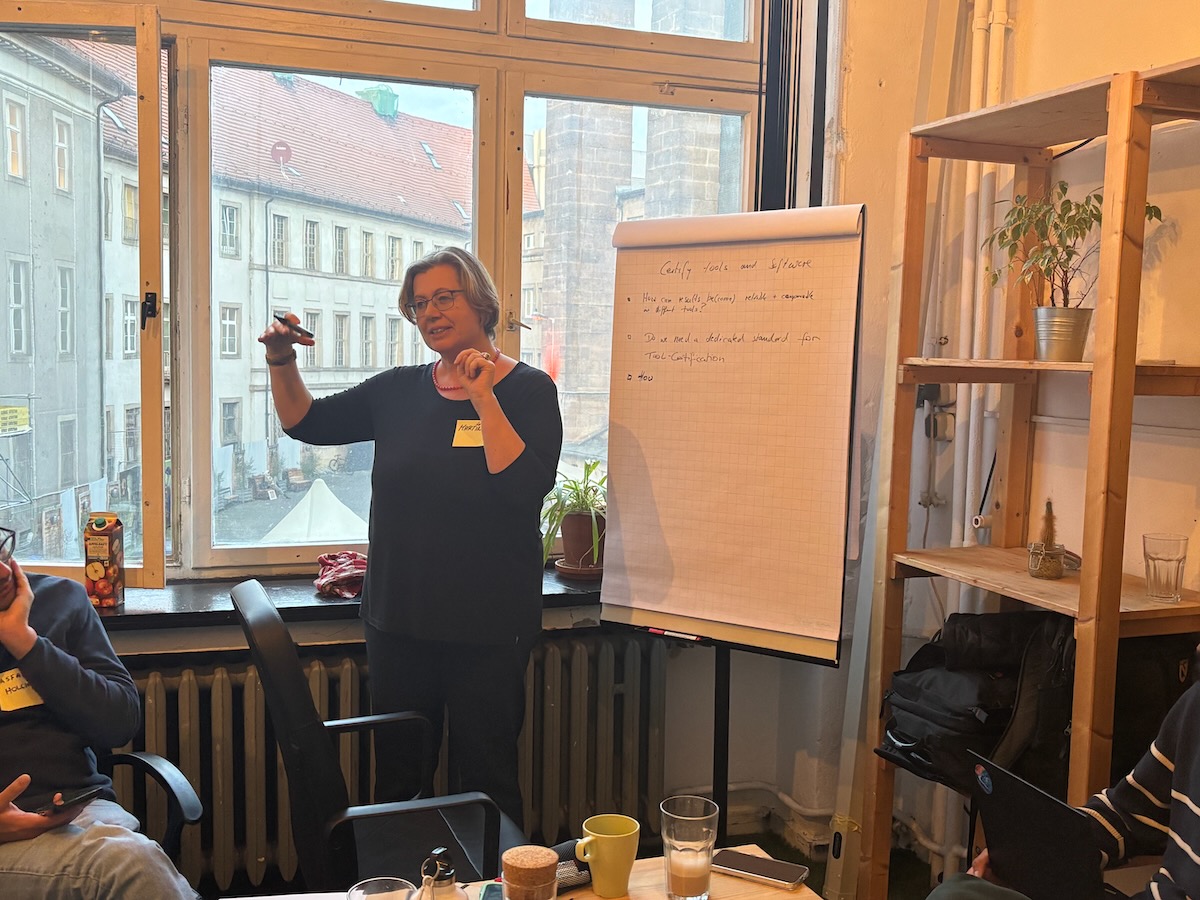
- Certification of tools and software
- Verifying PCFs and EPDs
- AI and automation
- Pre-certified models and templates
- Critical review practice
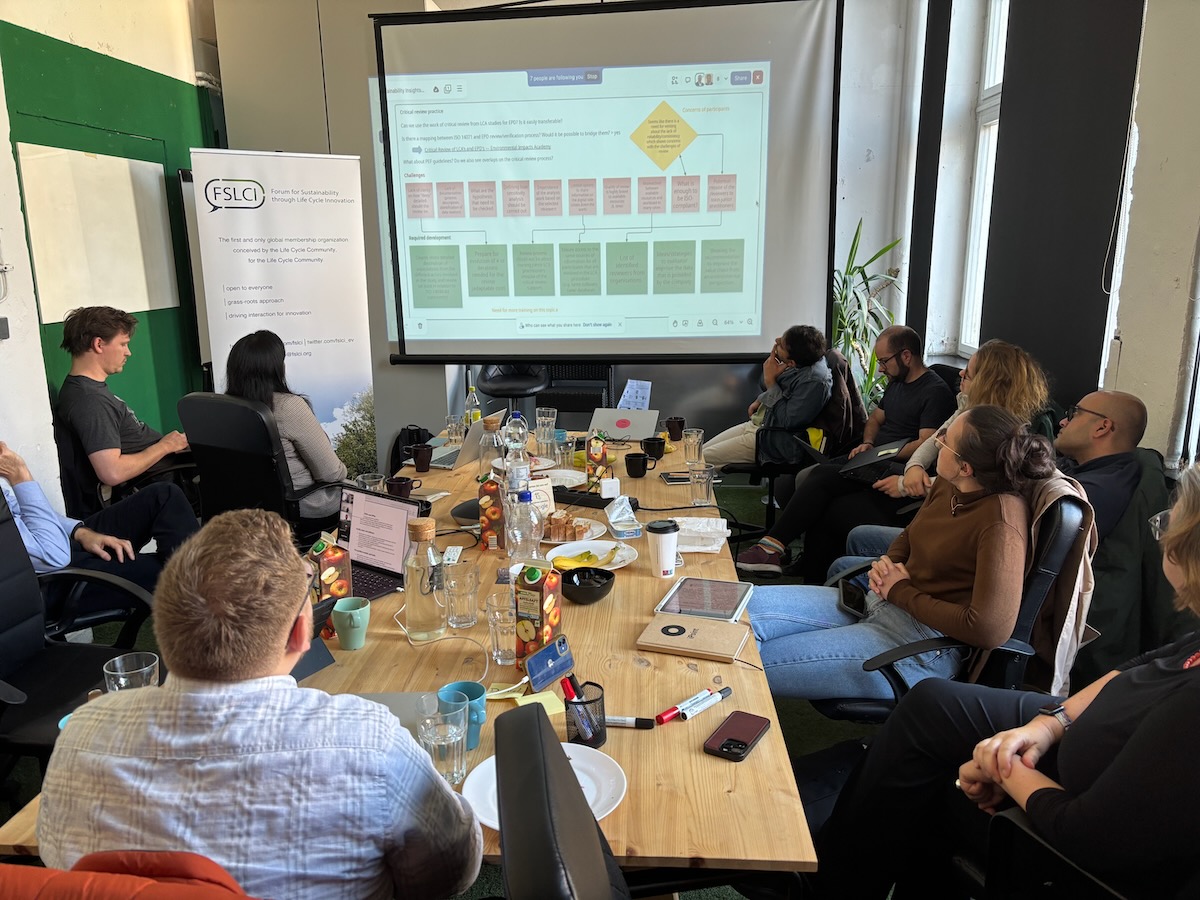
Participants discussed certifying tools and software, pre‑verified templates, and harmonization among program operators to boost consistency and efficiency. Accessibility for SMEs surfaced as a priority, with calls for low‑cost, scalable solutions that reduce burden without diluting rigor. AI was framed as an enabler to augment, not replace, human expertise—useful for mapping, matching, completeness checks, and aiding sensitivity analysis. Challenges include variability across product categories and national standards, trust in AI‑generated outputs, and non‑trivial error rates that necessitate expert spot checks. Participants called for better data standardization and clearer guidance to ensure AI supports credible, reproducible outcomes. During the discussions, the difference between LCA critical reviews and EPD verifications was highlighted with regard to review depth, documentation, and expectations. Proposals included clearer guidance for reviewers and companies, aligned test datasets, better stakeholder communication, and computer‑readable files to enhance integration. The discussions clearly highlighted the need for better guidance and clarity on various issues, which will be outlined in more detail in the forthcoming workshop report!
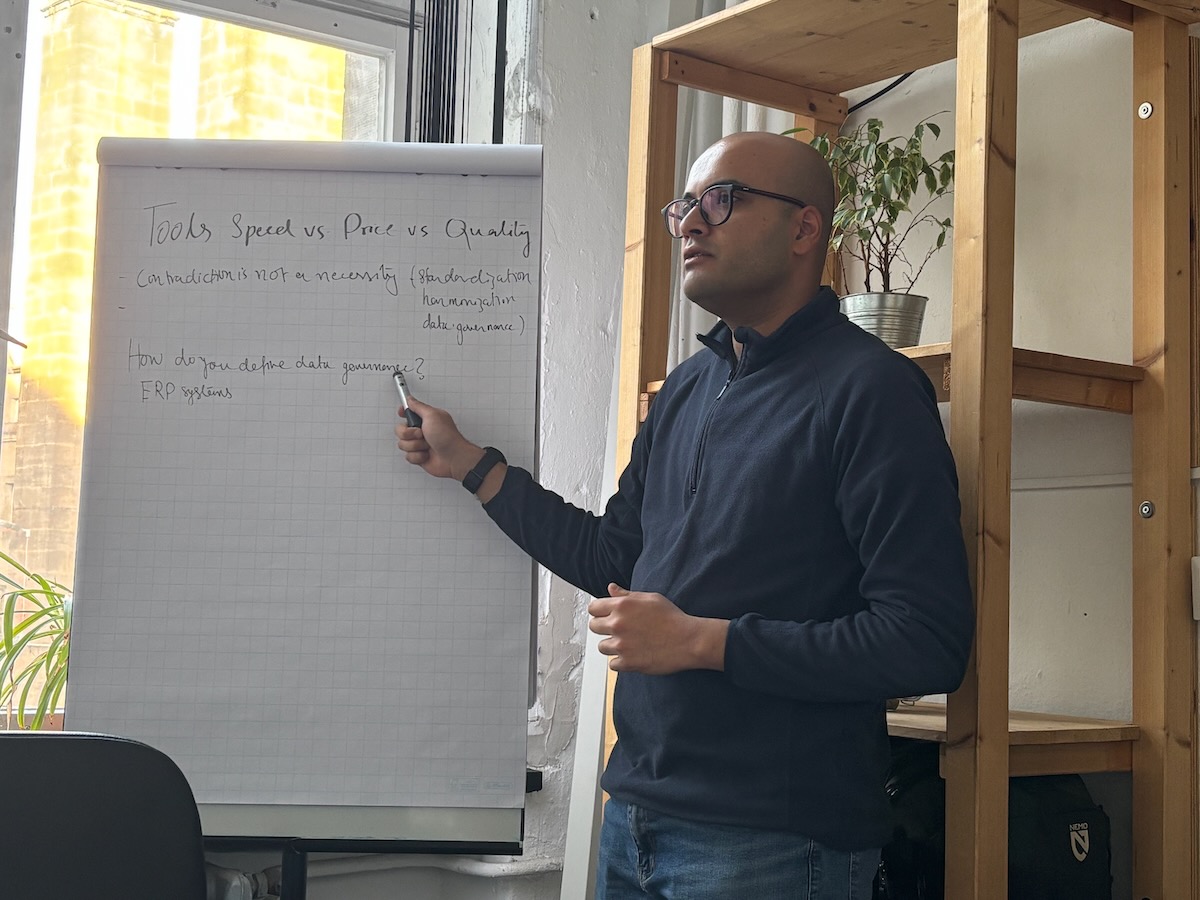
Following these discussions, participants proposed a number of additional topics which were then discussed as part of our participant-driven barcamp sessions. Topics that were discussed focused on themes such as “Digital ecosystem to support critical review and certification” or “Tools: Speed vs Accuracy vs Price”.
All in all, it was great to discuss the various topics with the workshop participants to identify issues that need to be addressed by the life cycle community going forward to further strengthen the credibility of LCA results and EPDs as the market for life cycle-based information continues to grow! In this context, we would like to thank all speakers for their input, all participants for their active participation in the workshop, and IBU EPD for supporting the event as a sponsor!
We are excited to continue these conversations with our members as well as the broader life cycle community, and are very much looking forward to the next Sustainability Insights workshop! Stay tuned for more to come soon!
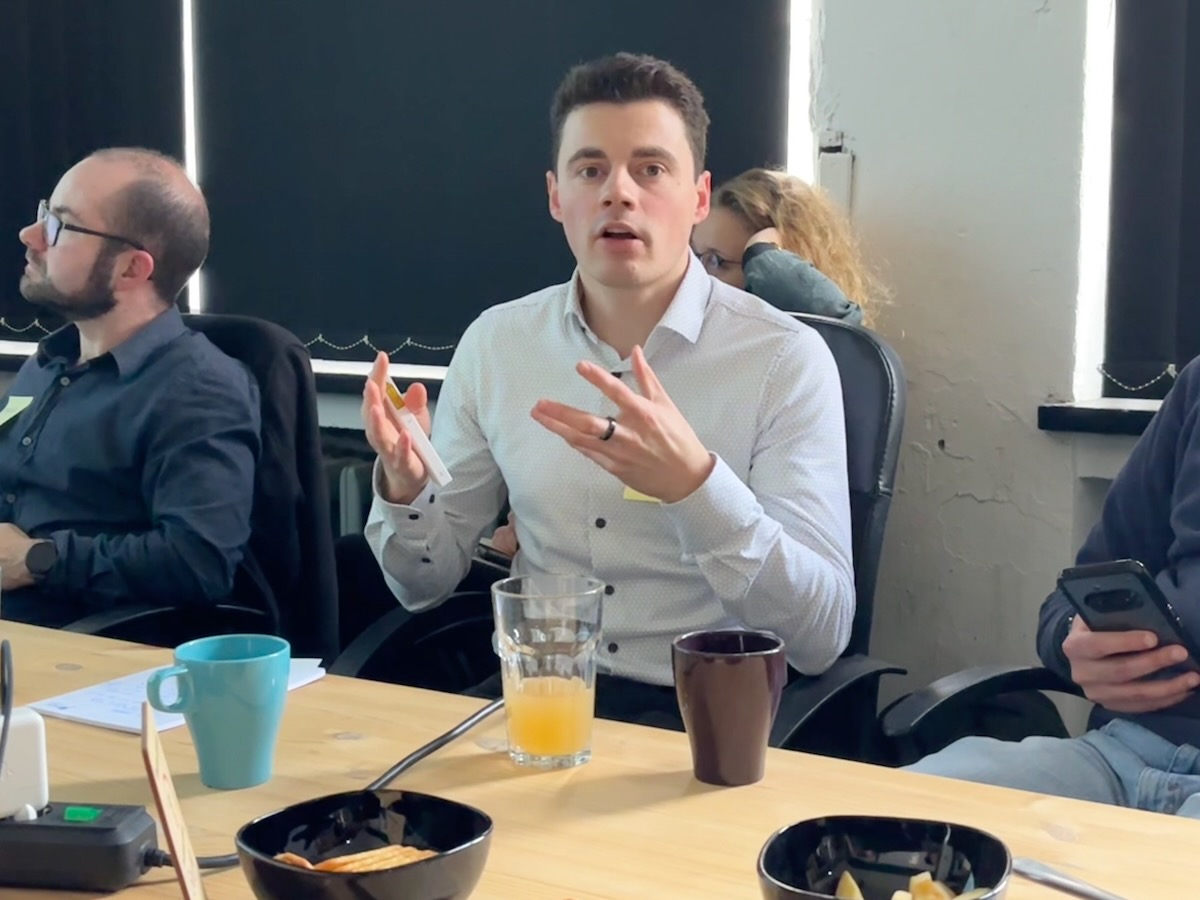
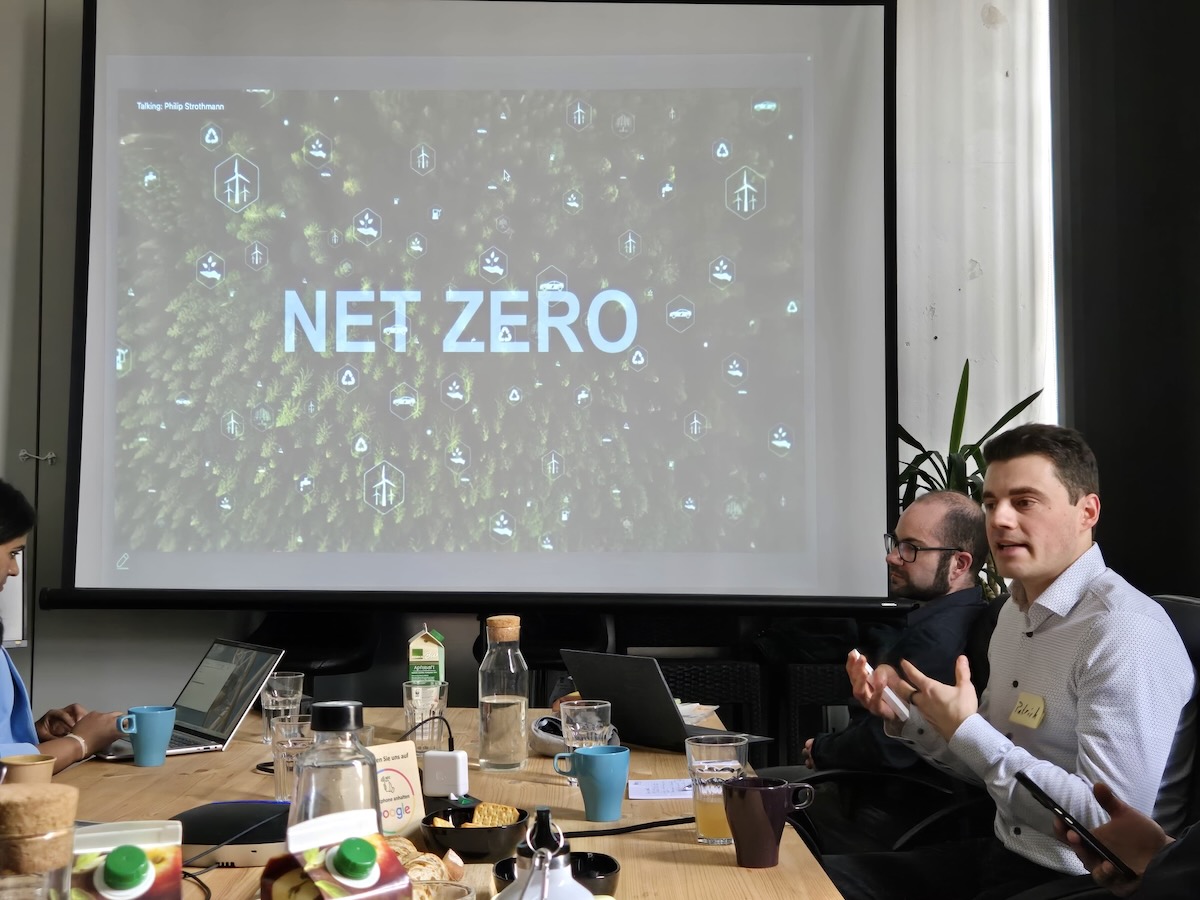

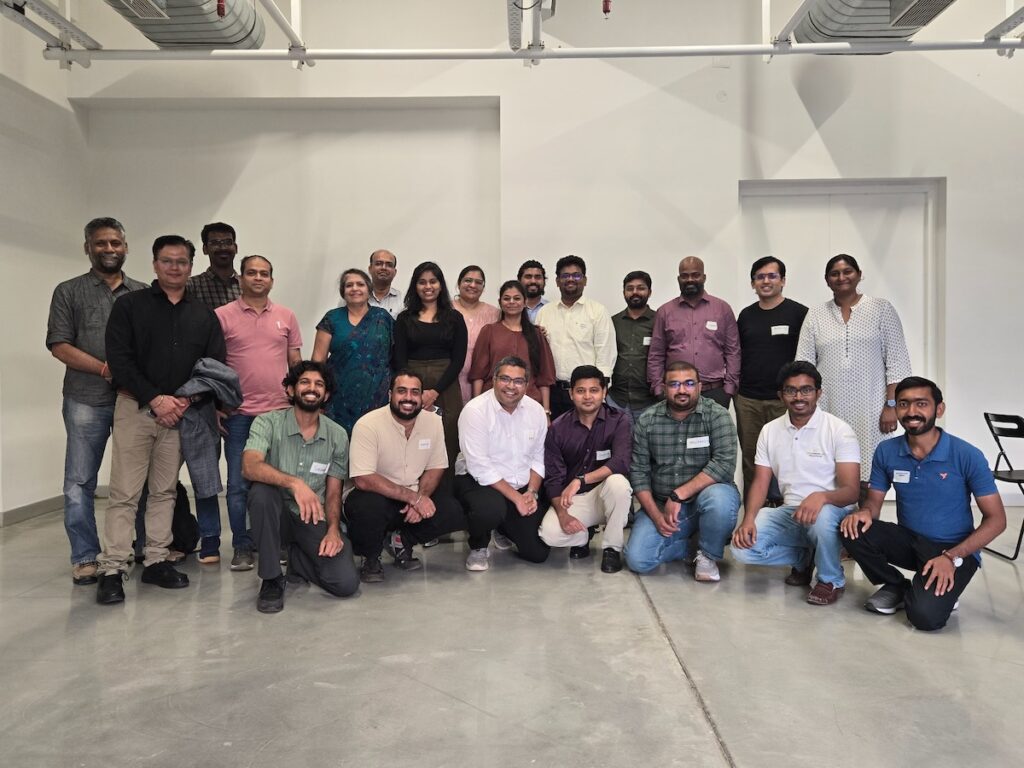
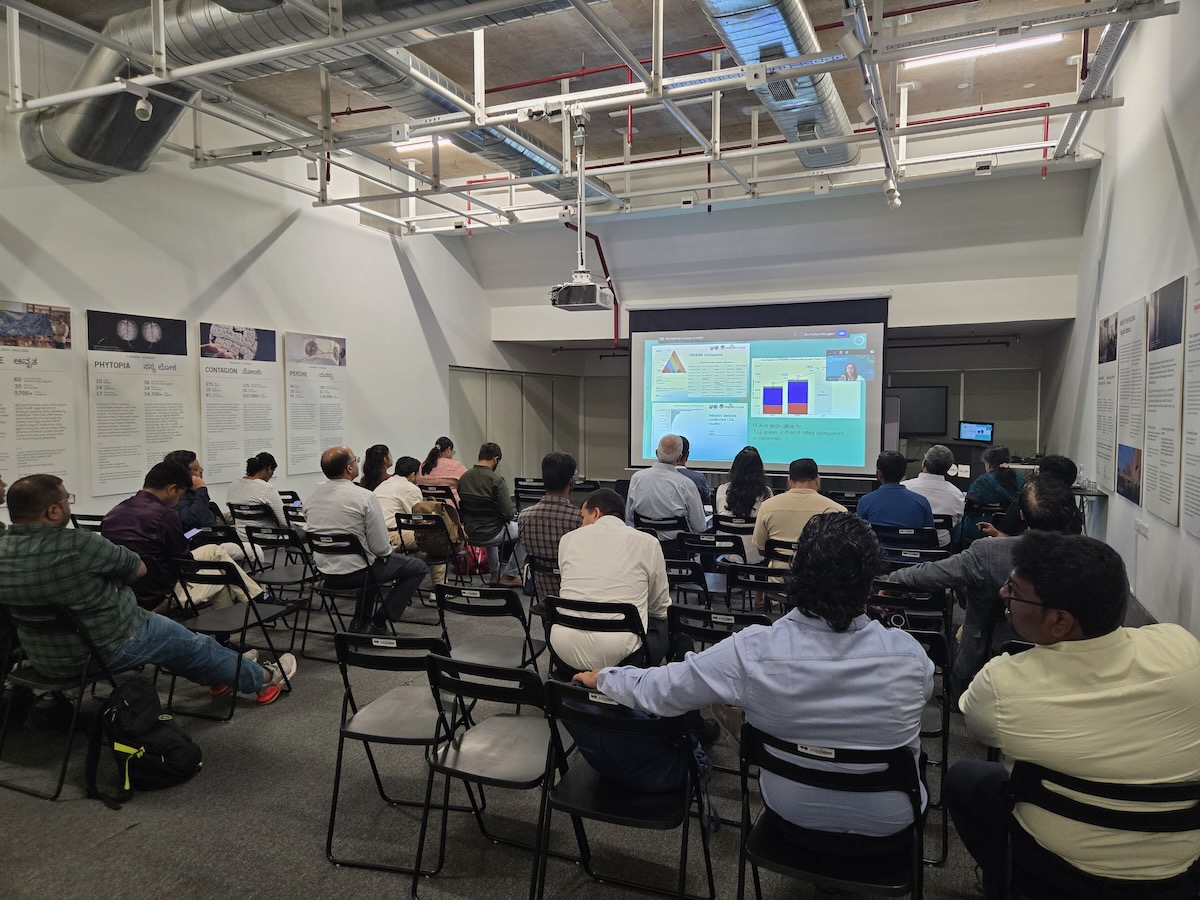
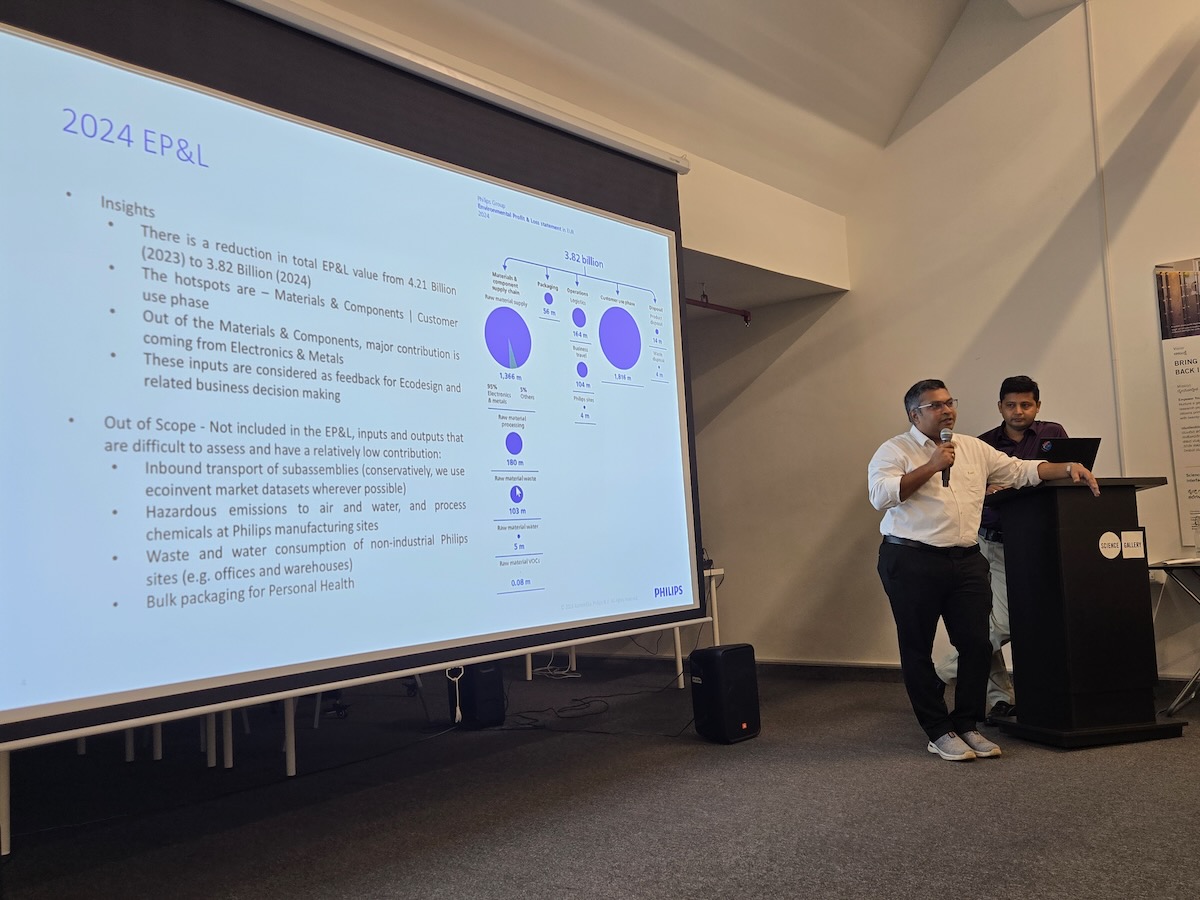
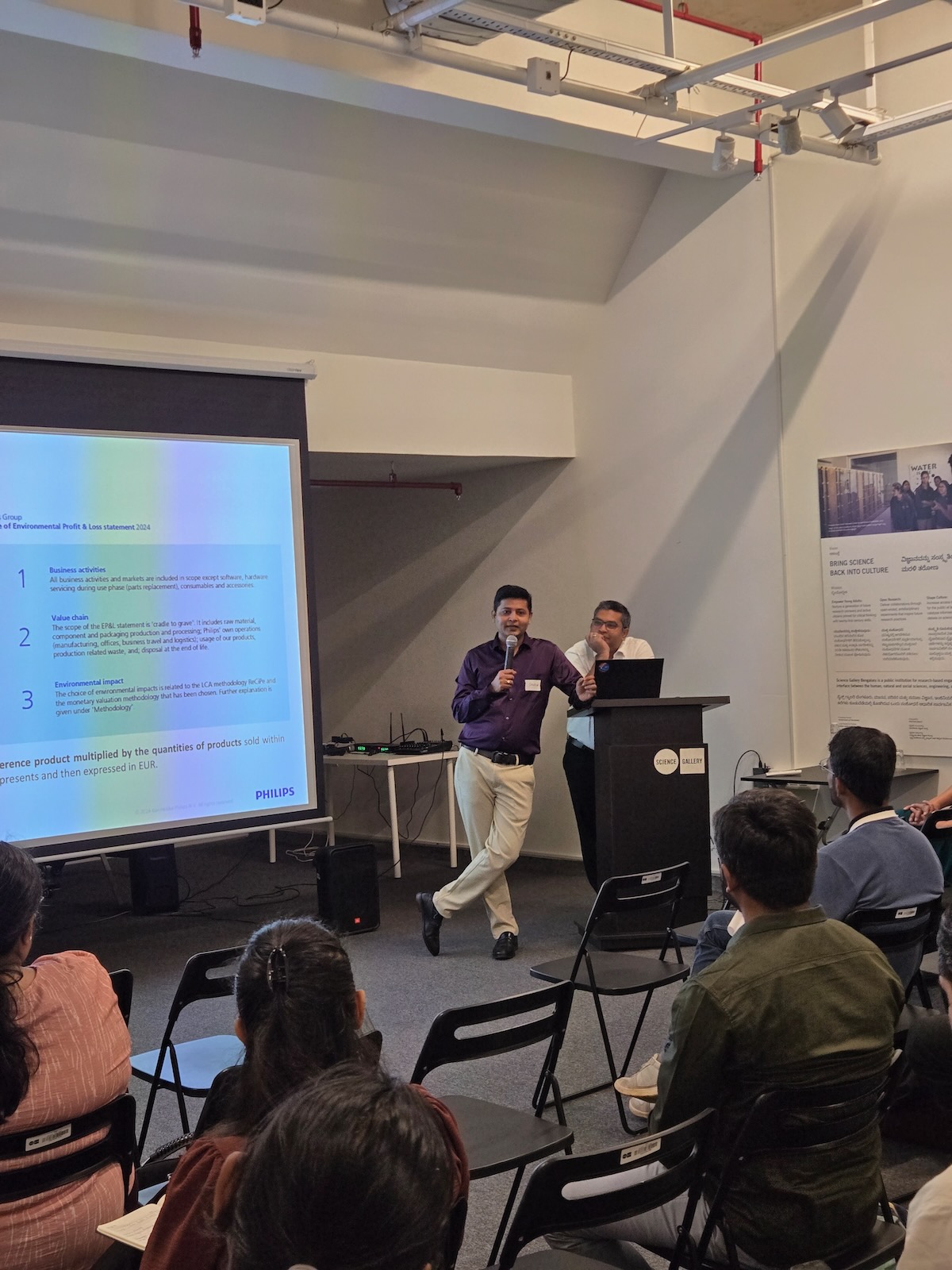
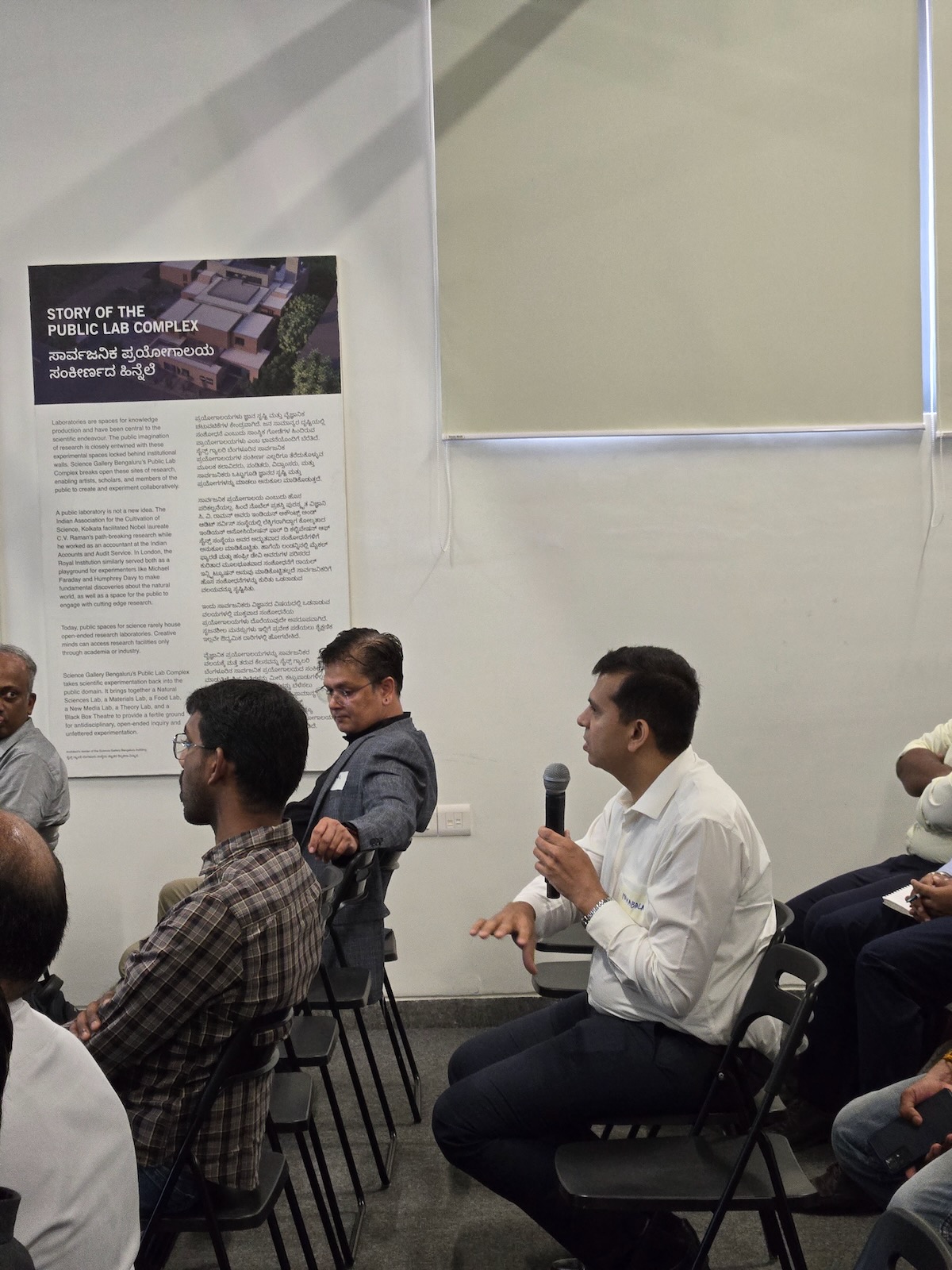
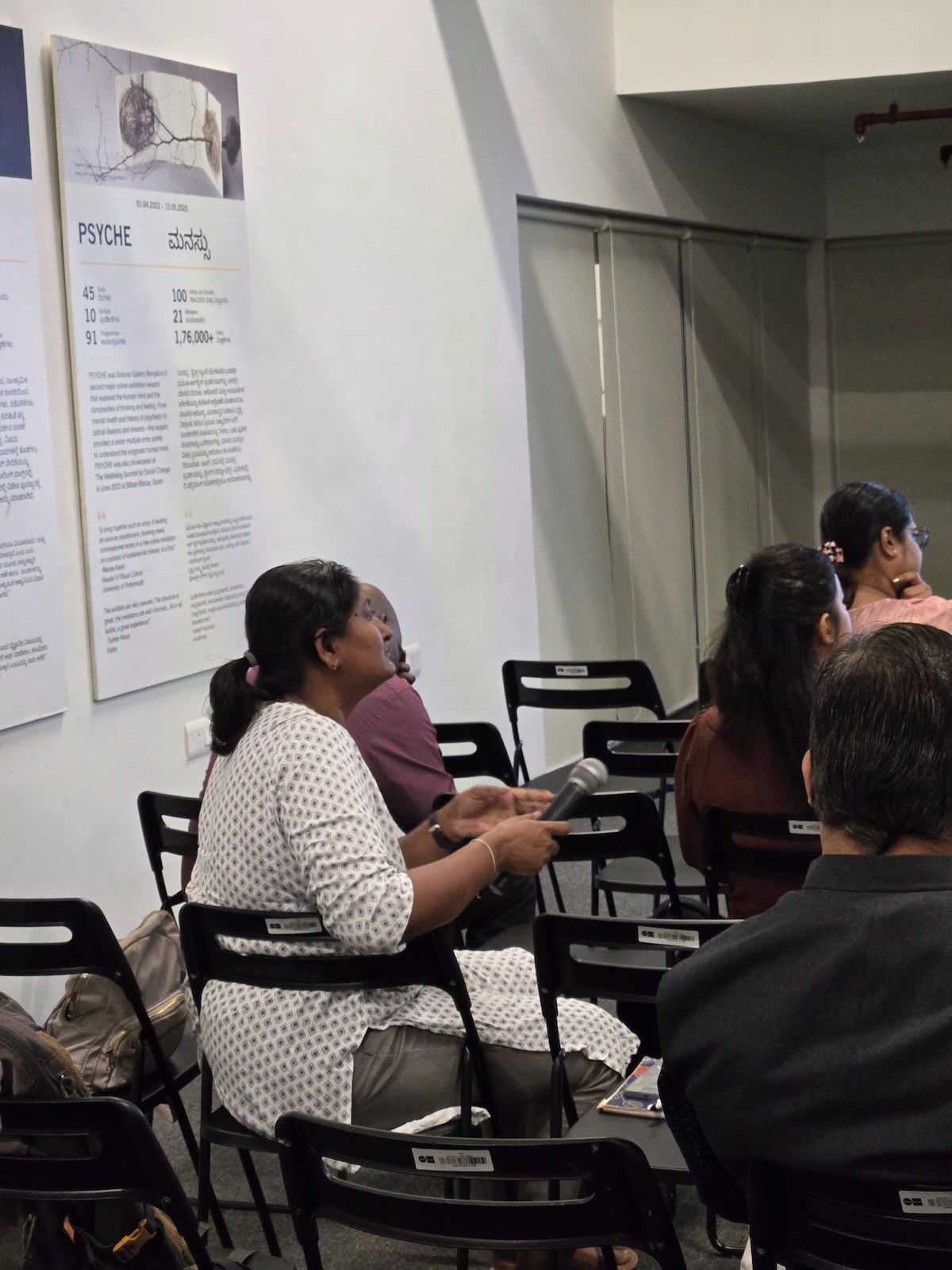
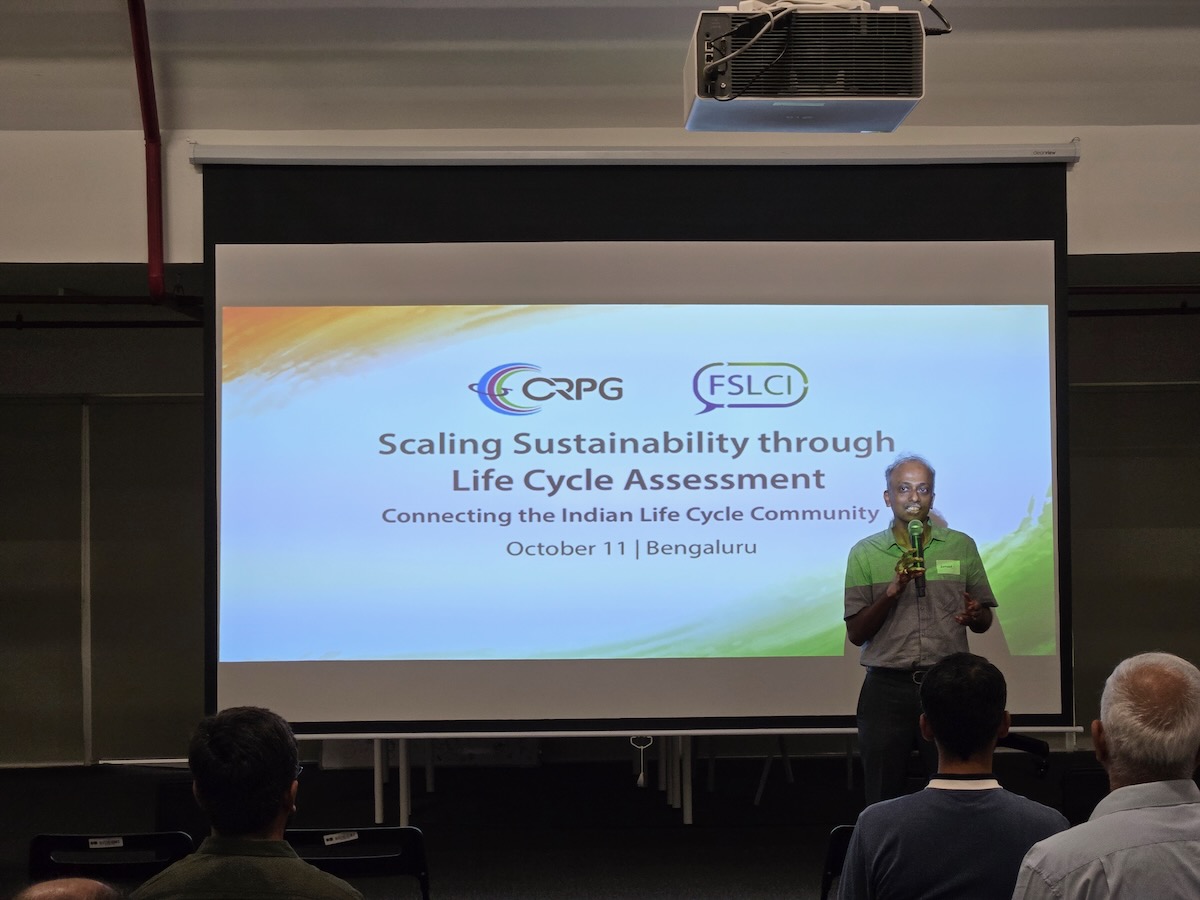
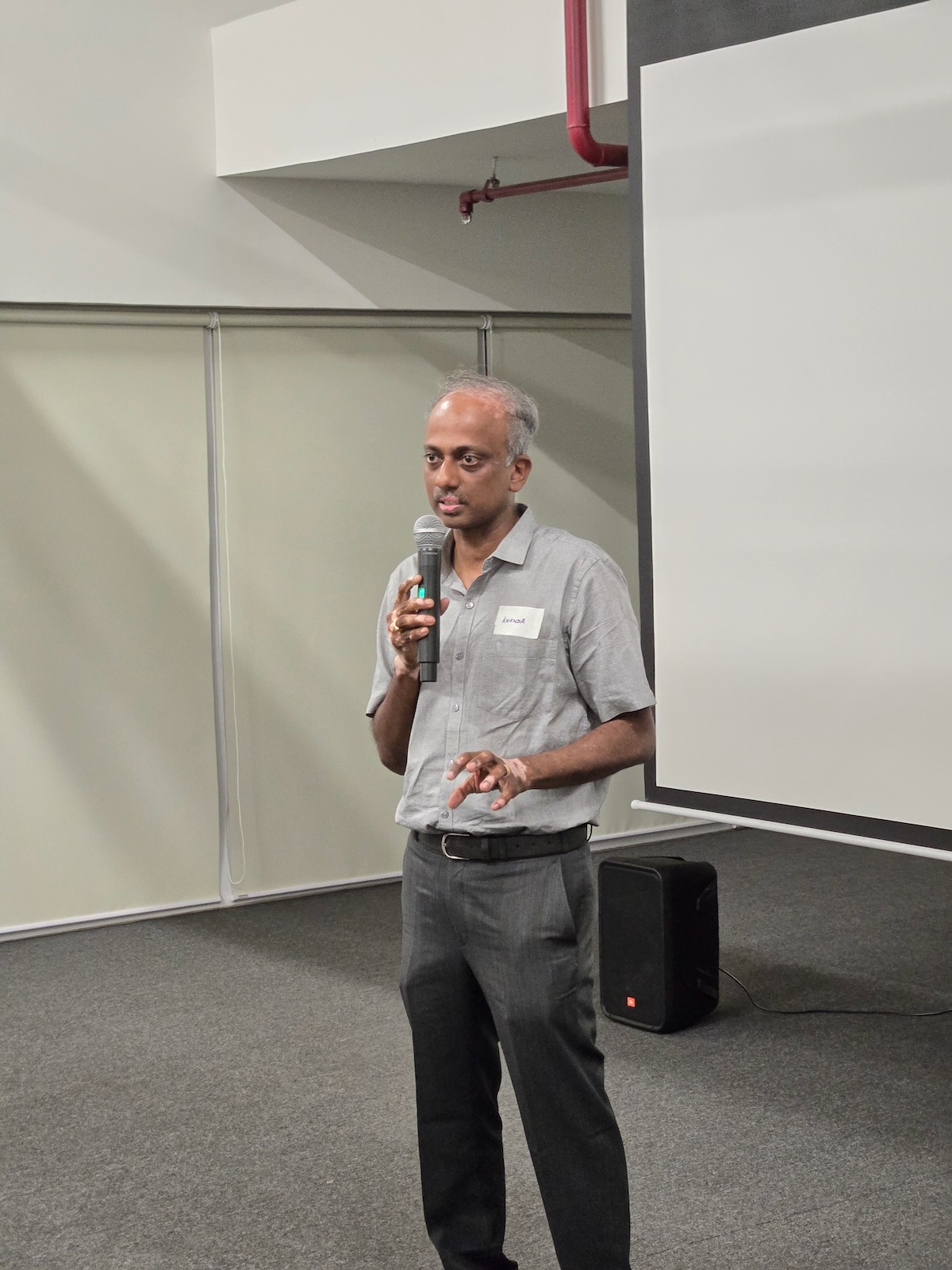
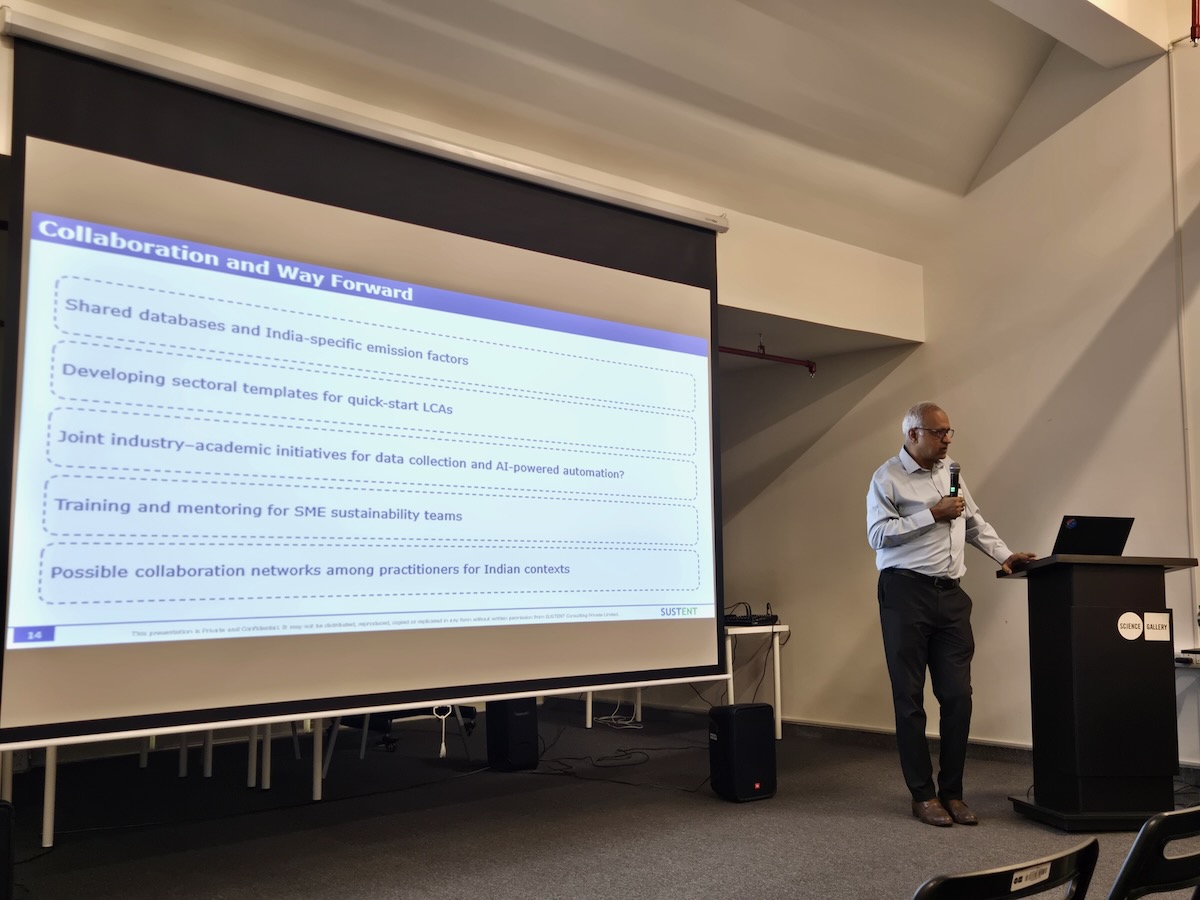
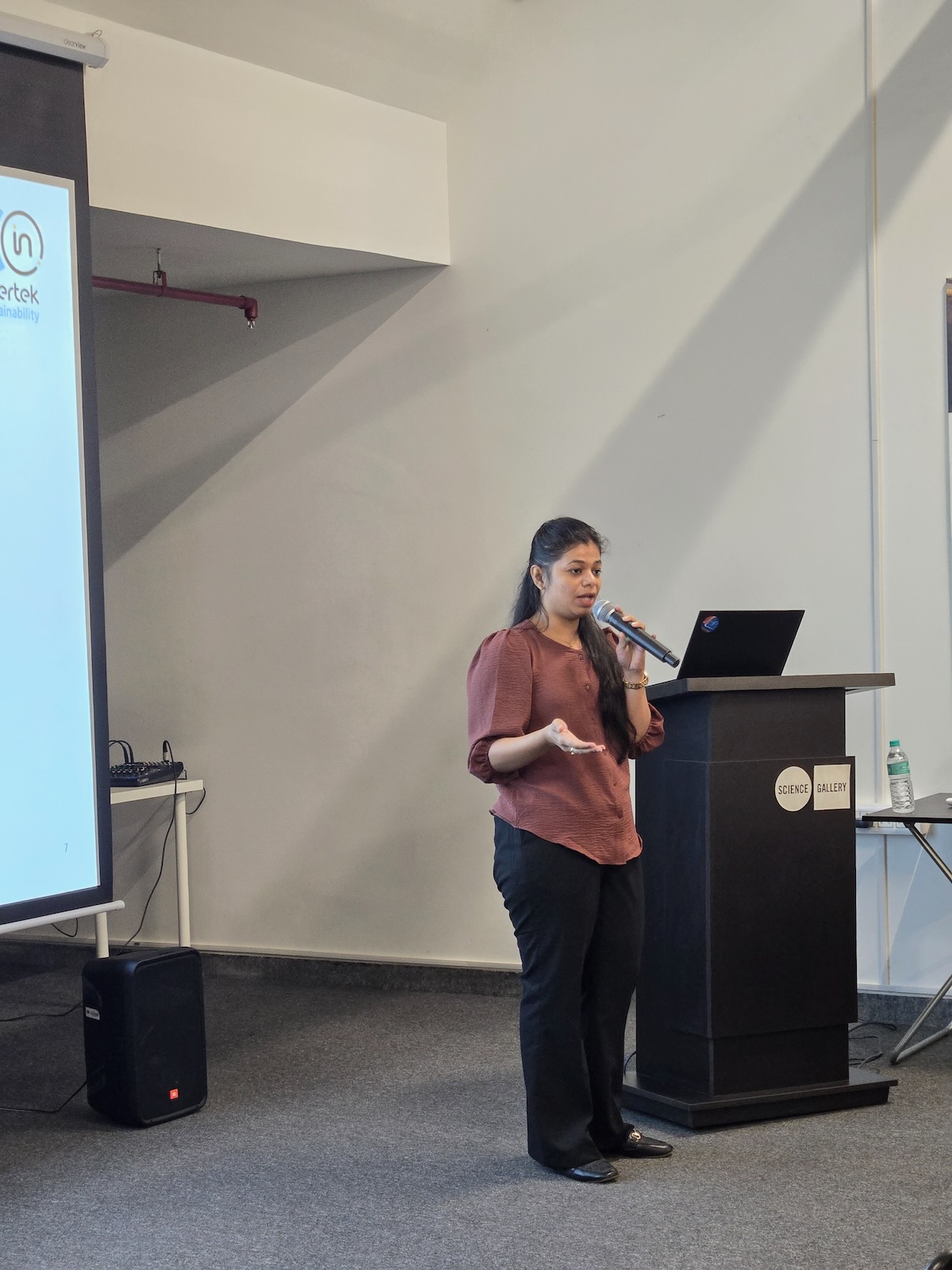
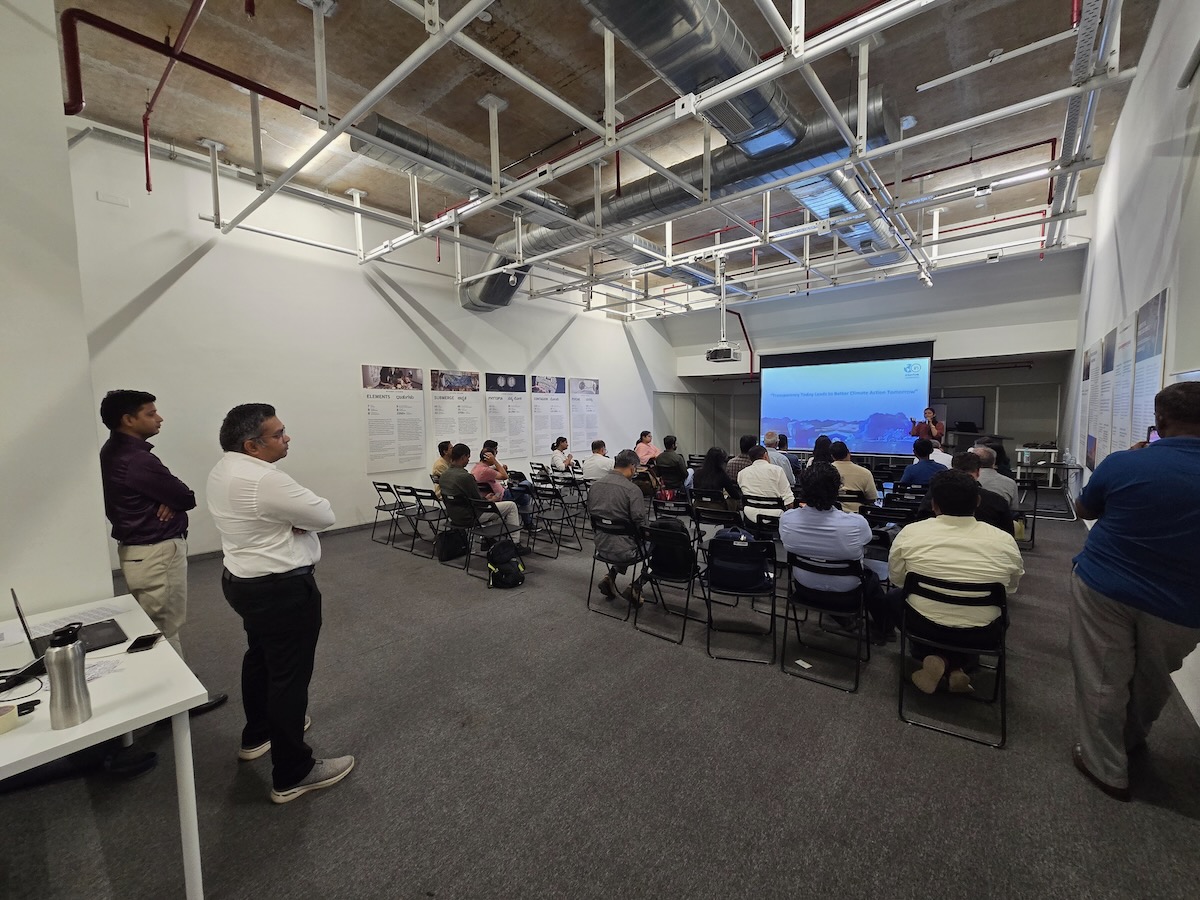
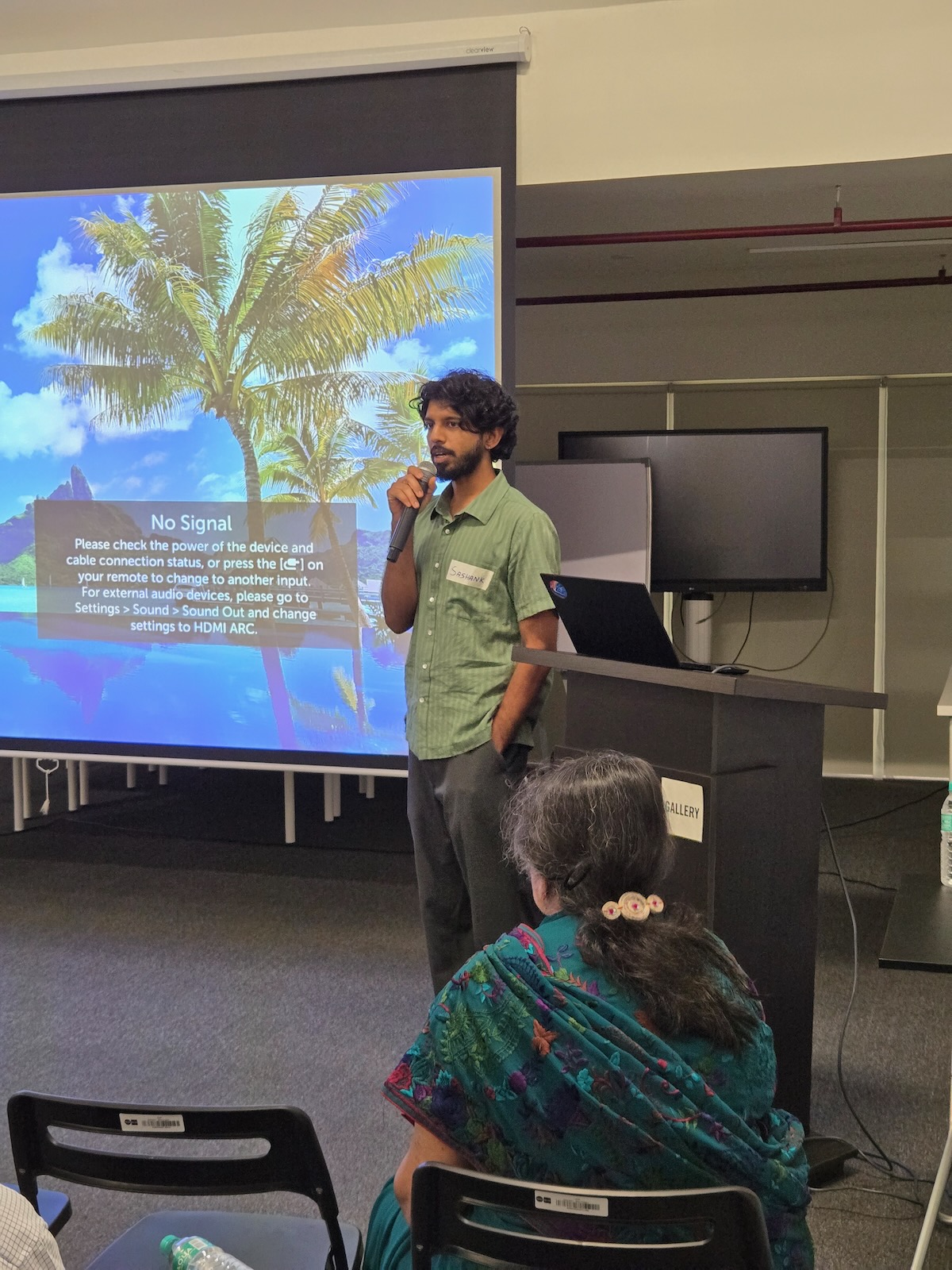
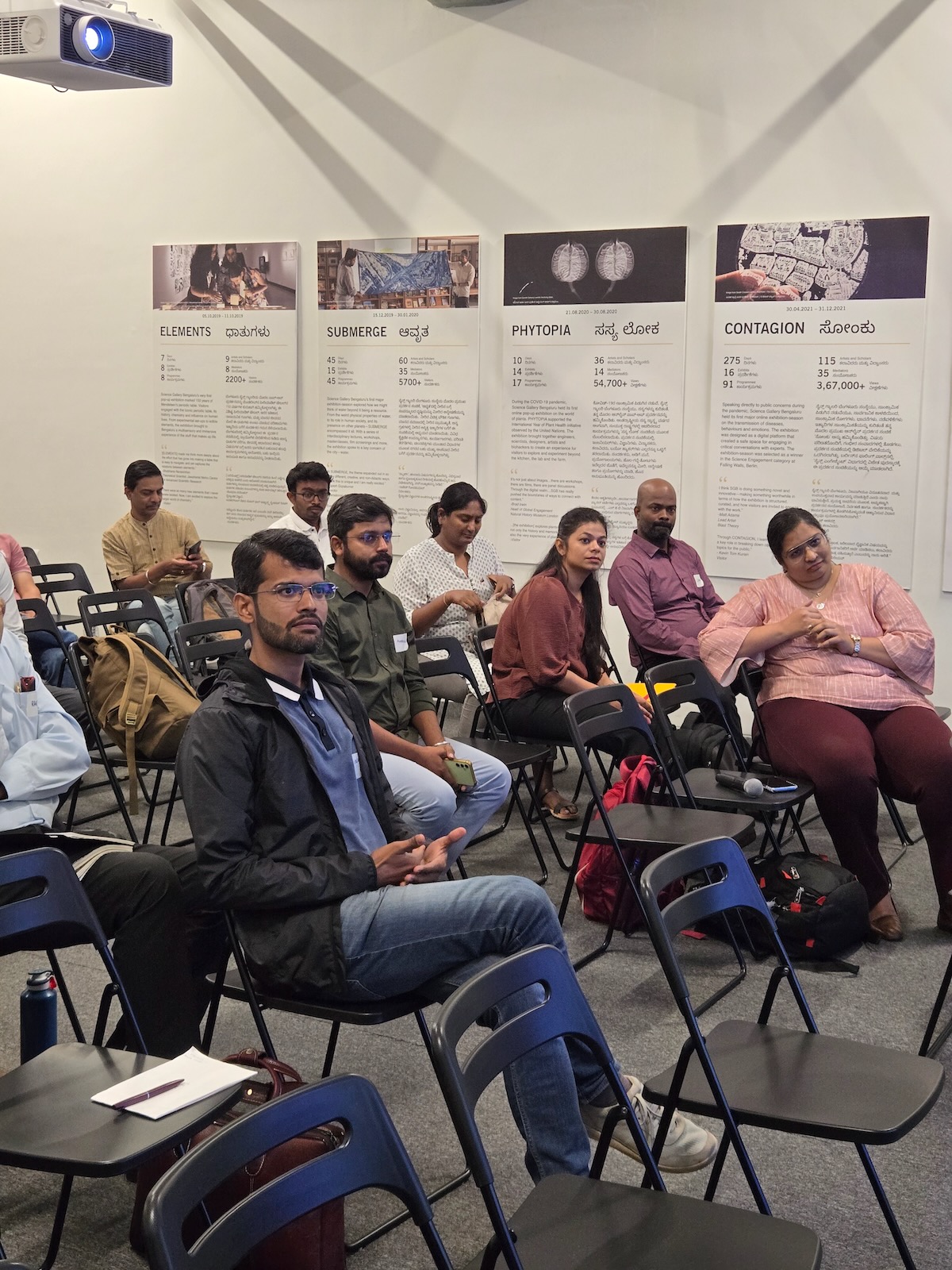
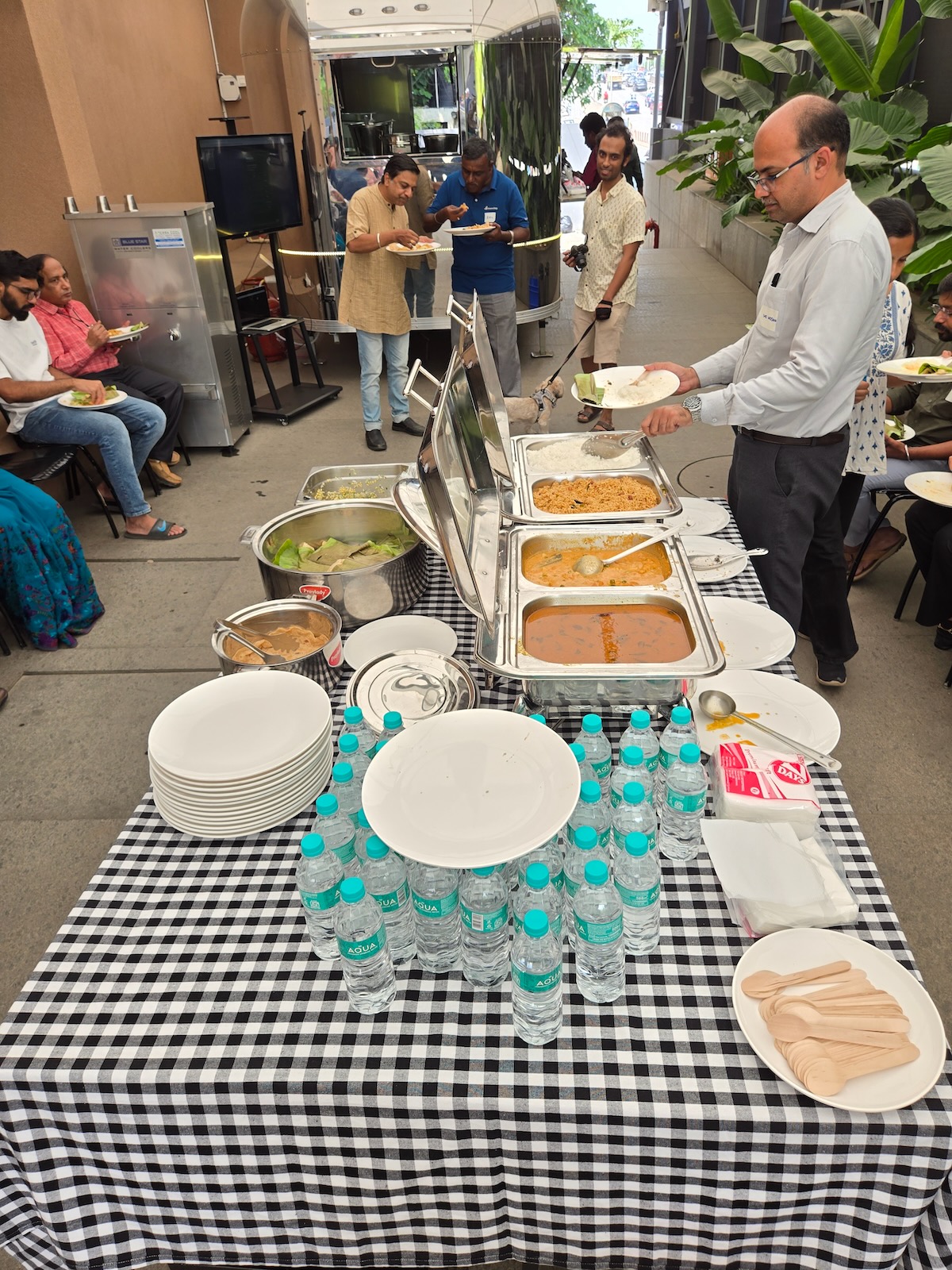
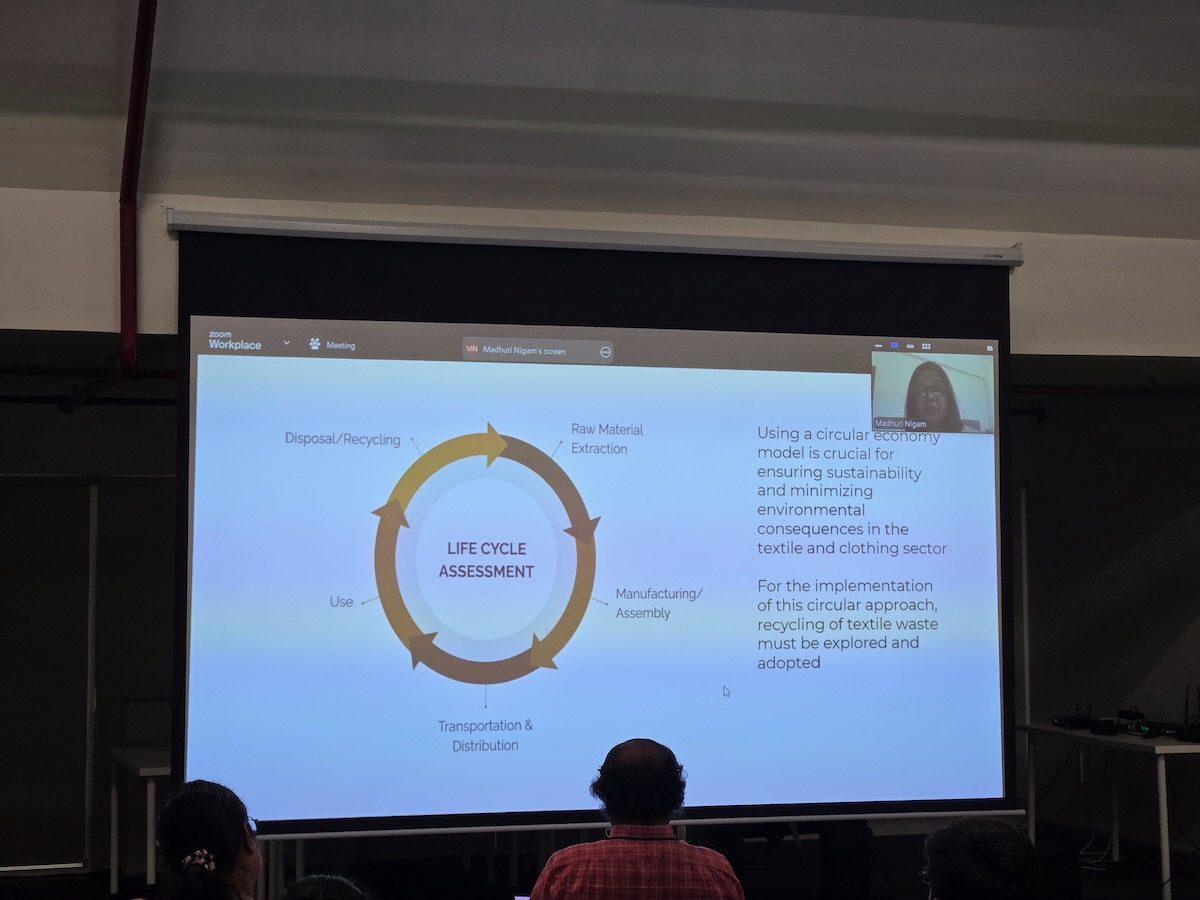
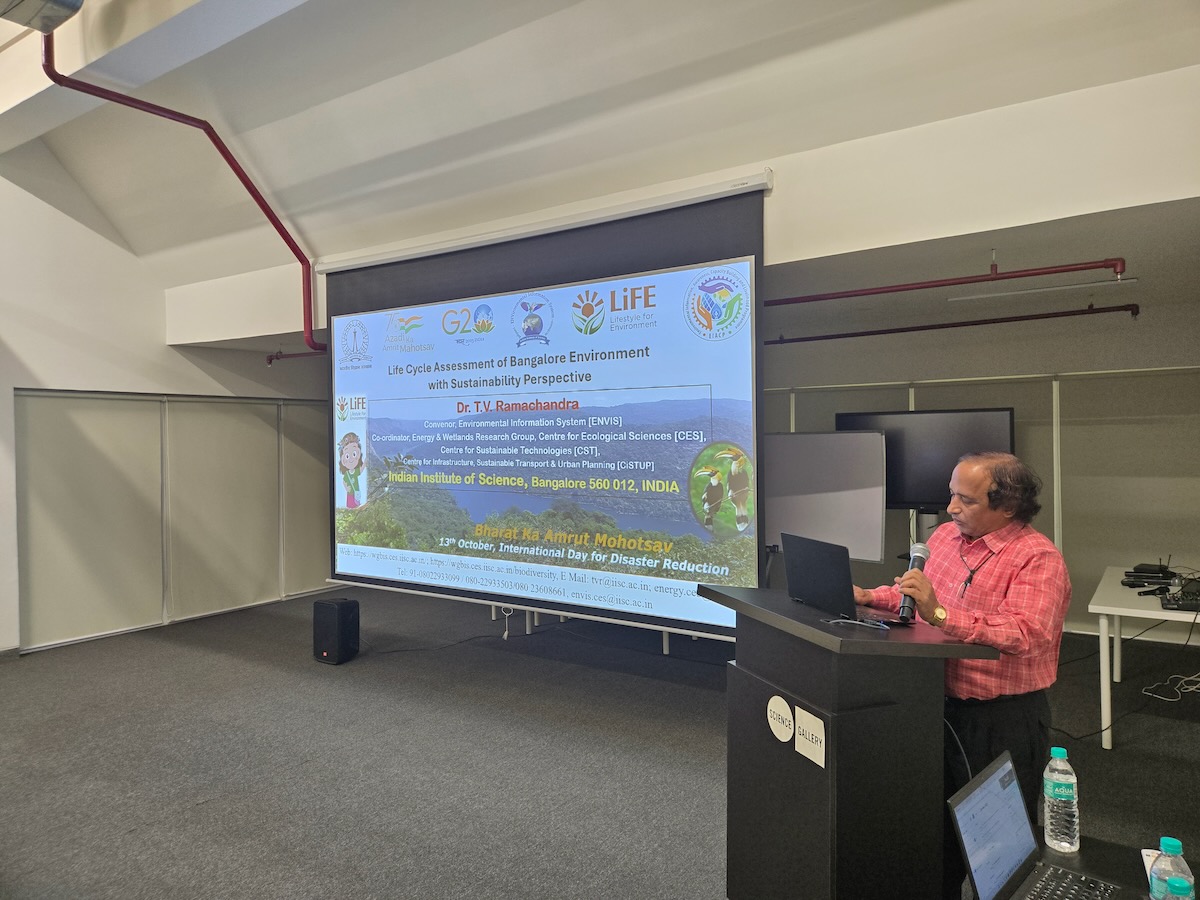
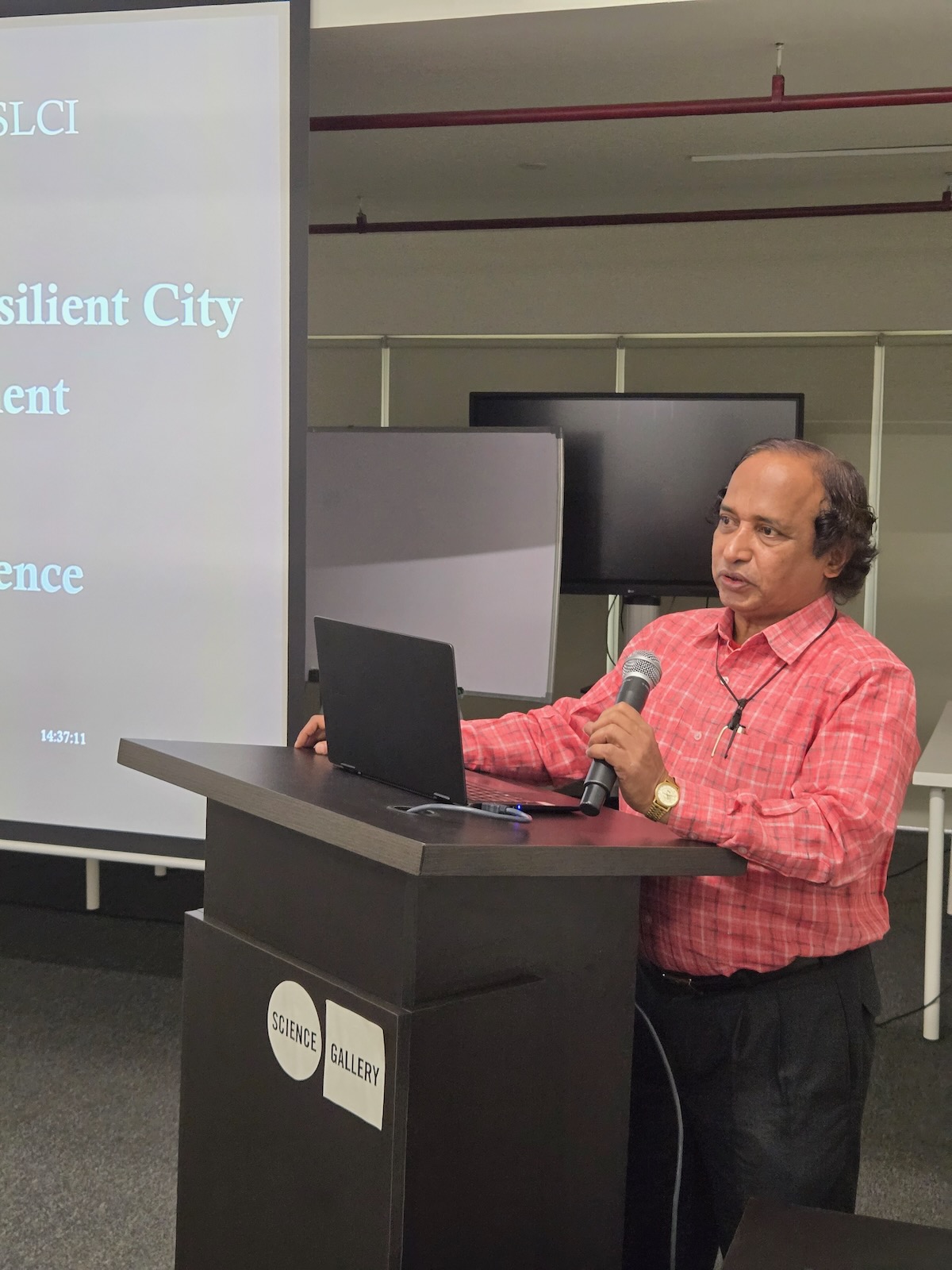
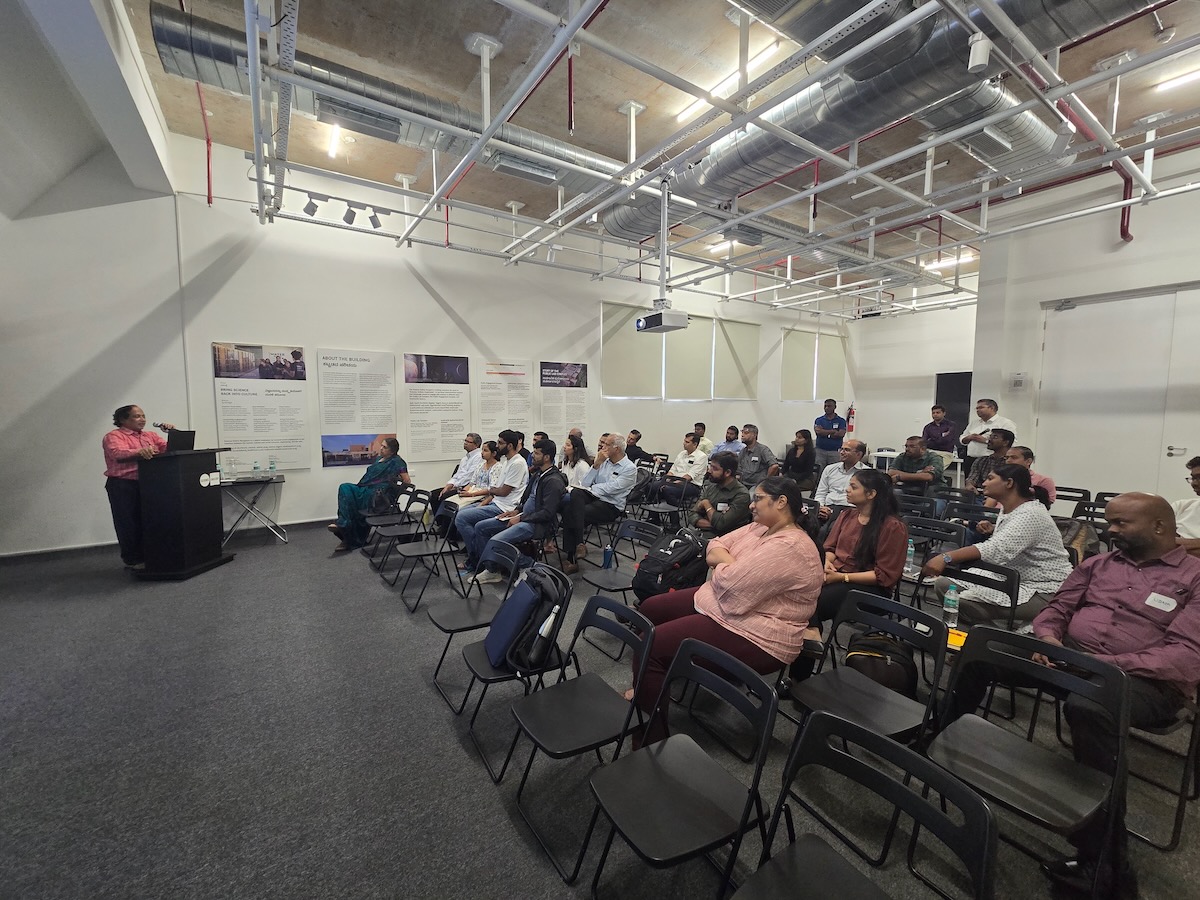
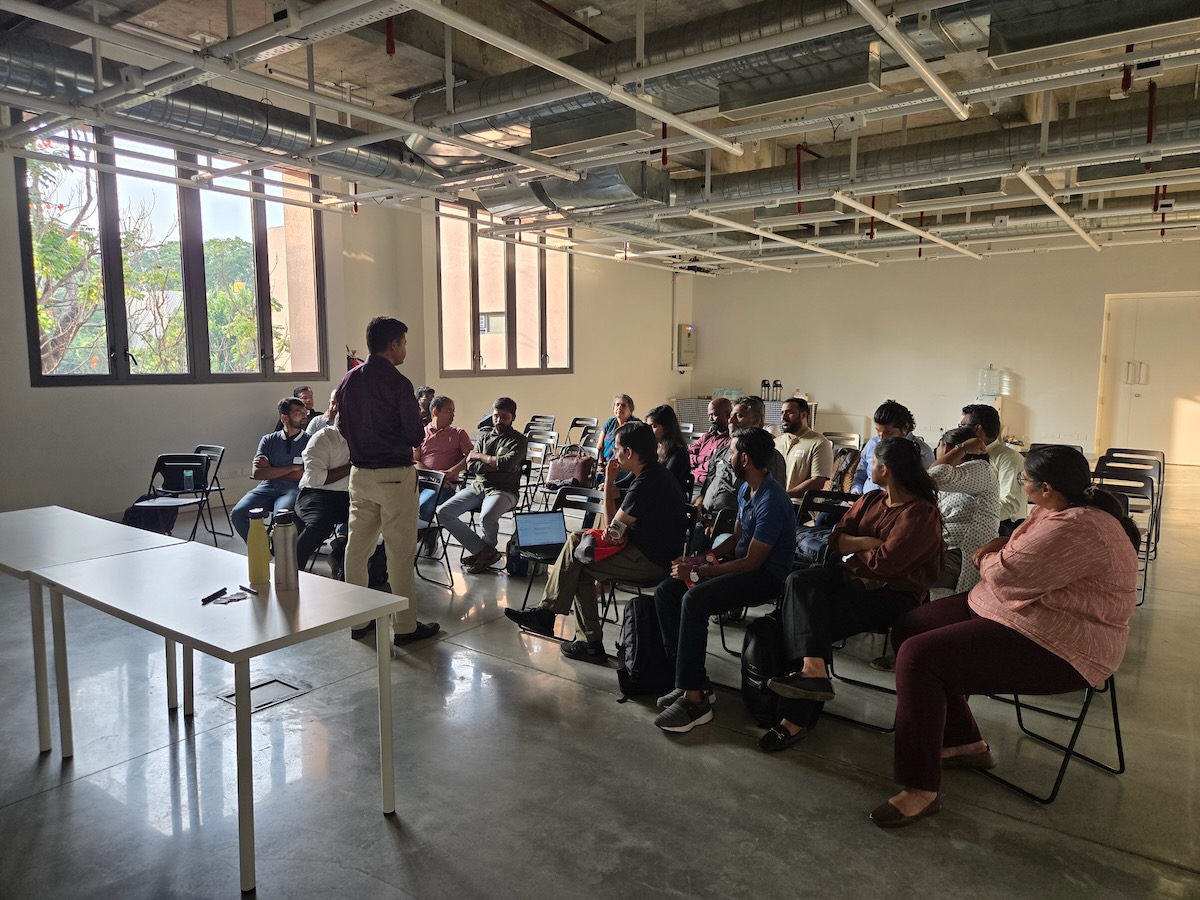
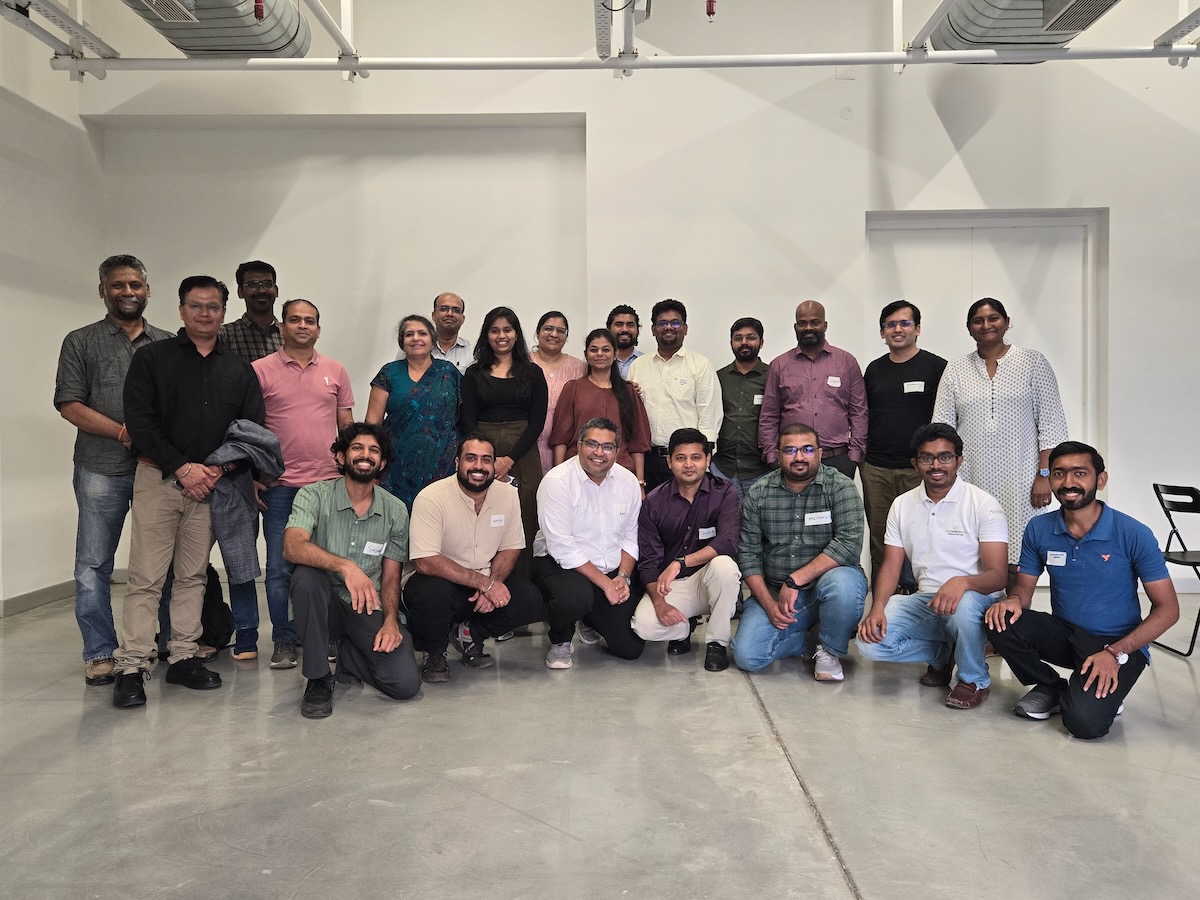
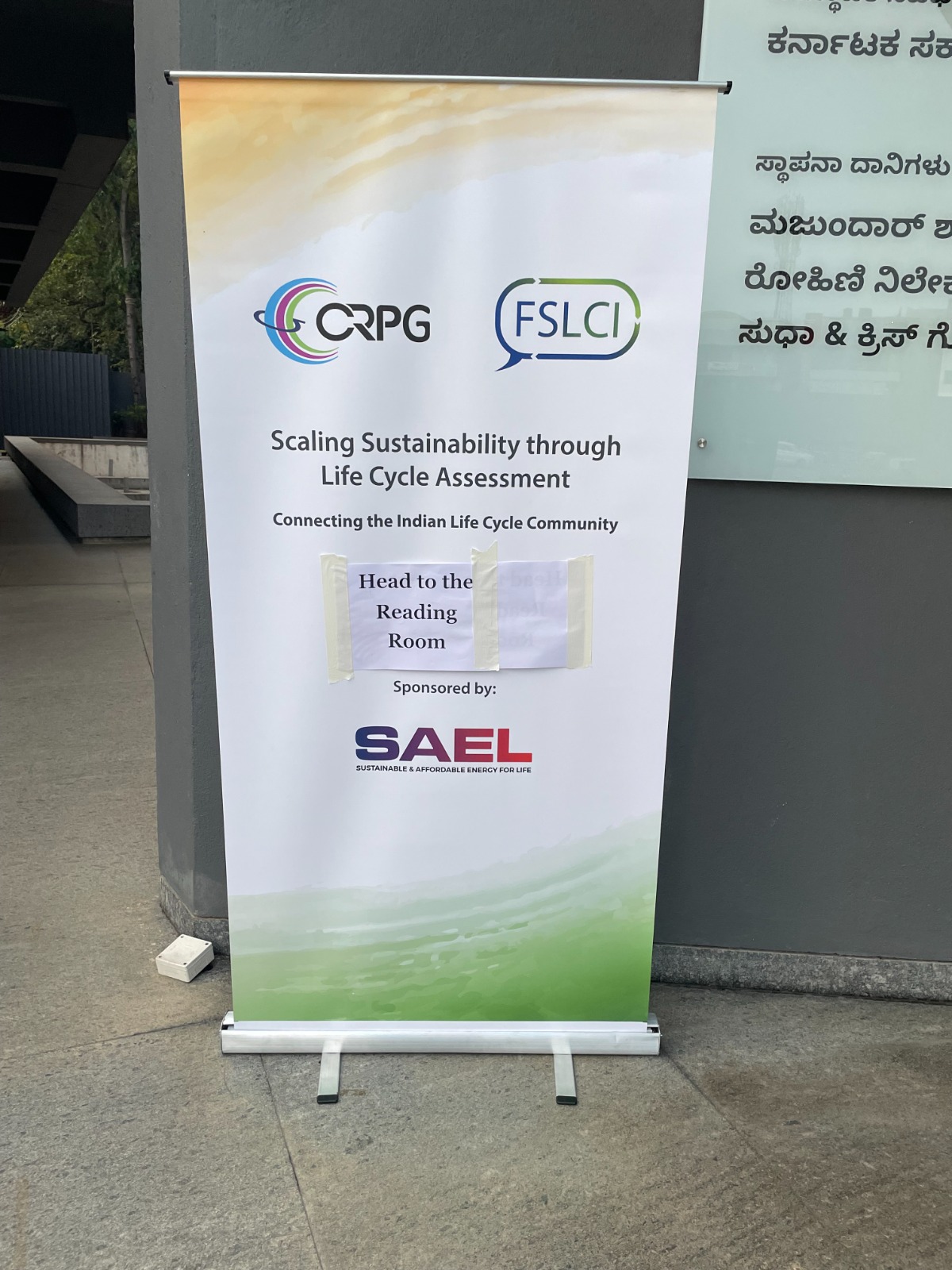
Today we are happy to share with you that we recently co-hosted a seminar titled “Scaling Sustainability through Life Cycle Thinking” at Science Gallery, Bengaluru, on October 11, 2025. This was FSLCI’s very first event in India, and it has supported our community members in re-launching a shared effort to connect the Indian Life Cycle Community. The event was co-organized with the Council for Research on Policy and Governance (CRPG) and sponsored by SAEL.
The program was attended around 35 participants, majority of them based in Bengaluru. The event was opened with keynotes by Sanjeevan Baja, Vice Chair of the FSLCI’s Executive Committee, followed by a keynote from Jessica Hanafi, CEO of PT Life Cycle, Indonesia who highlighted her organizations’ role in connecting Life Cycle communities globally, & nationally in India & Indonesia. The seminar then offered a session on LCA in industry, where various speakers showcased LCA-based methodology for environmental profit & loss (EP&L), LCA in MSMEs, LCA applications & reviews. This was followed by presentations on LCA in textiles & on contextualizing LCA applicability for addressing issues faced by Bengaluru, which struck a special chord as the audience experience these issues first-hand. The full agenda of the event can be reviewed here.
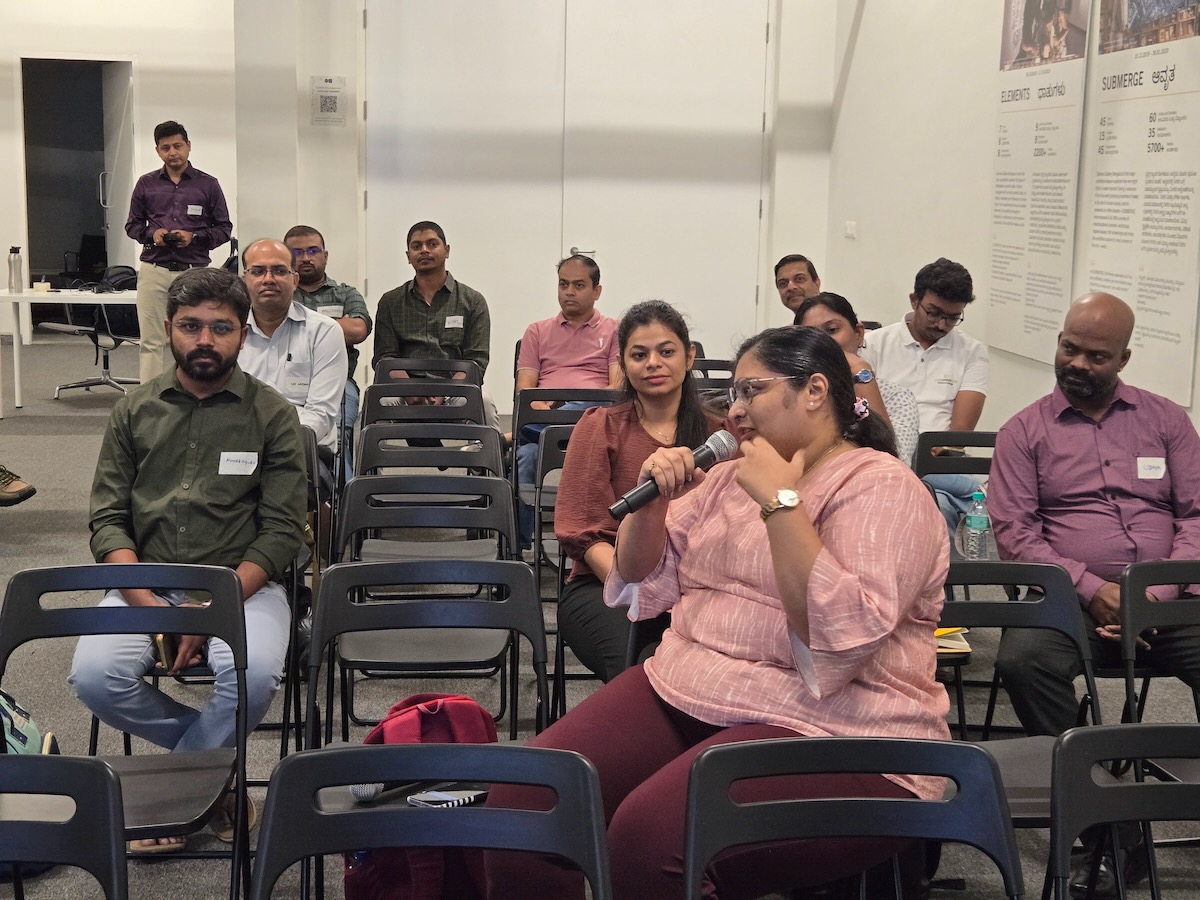
The seminar ended with an interactive workshop in our popular barcamp style, during which individual participants proposed topics for discussion, which were put to a vote & picked up for discussion based on participant interest. The participants proposing the barcamps then led the discussions, which generated some very interesting insights on what the community would like to focus on in our soon-to-be-announced next event in Bengaluru. Stay tuned for more information on more FSLCI activities in India!
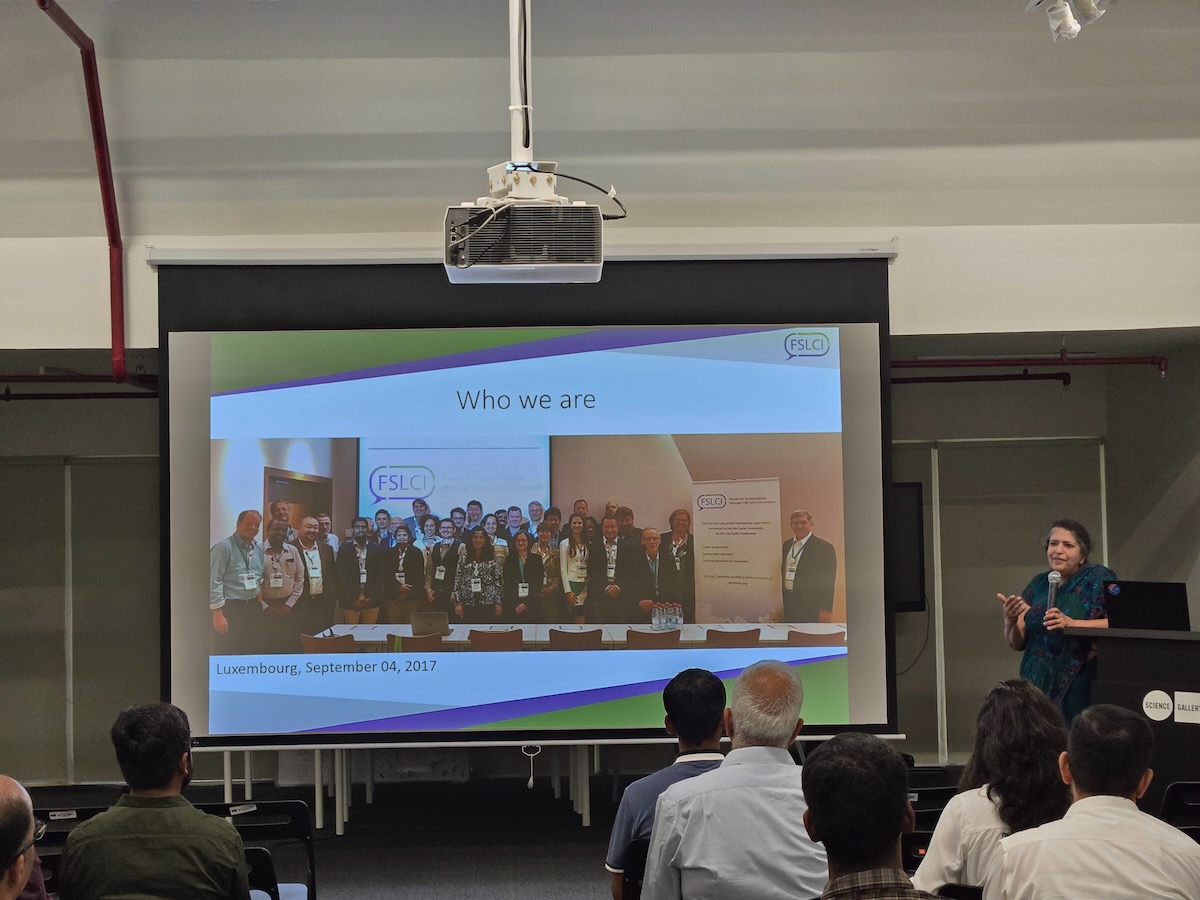
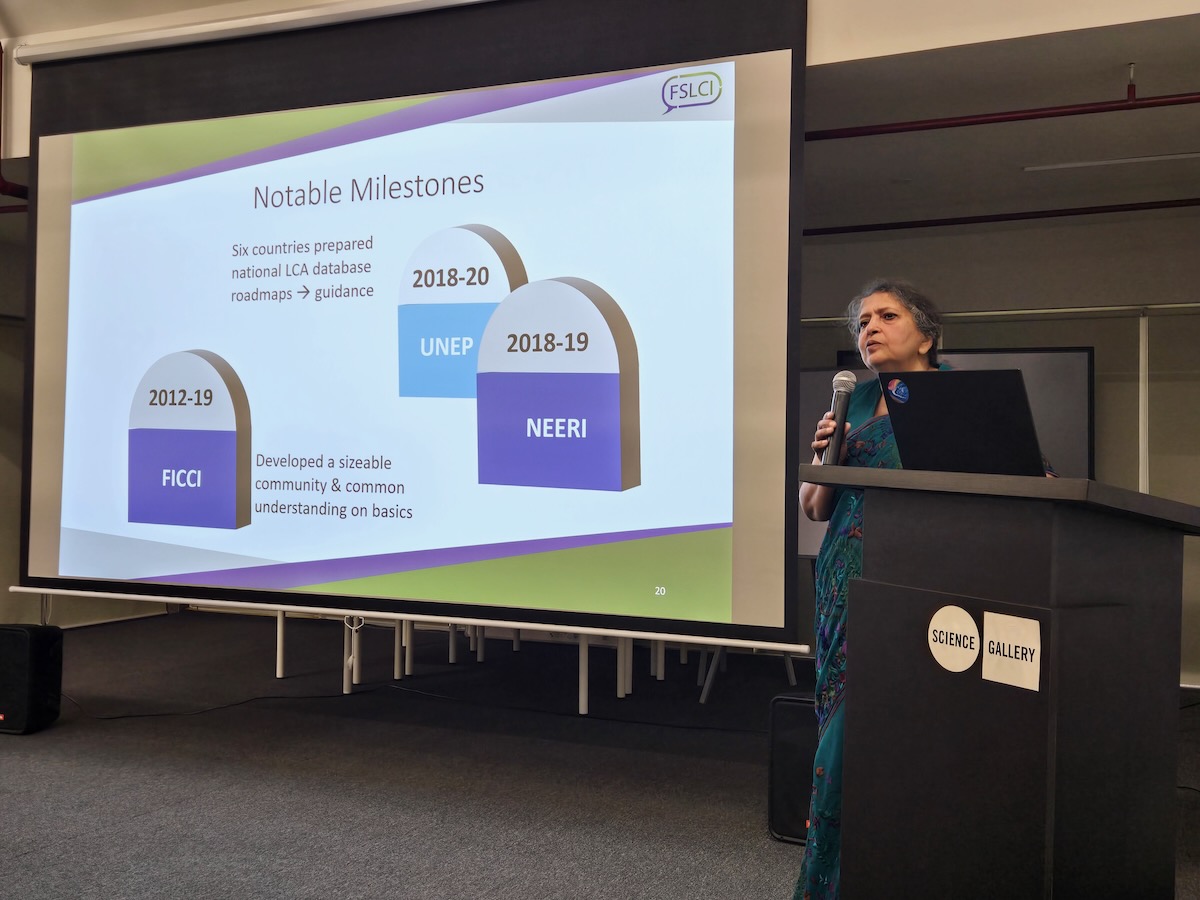
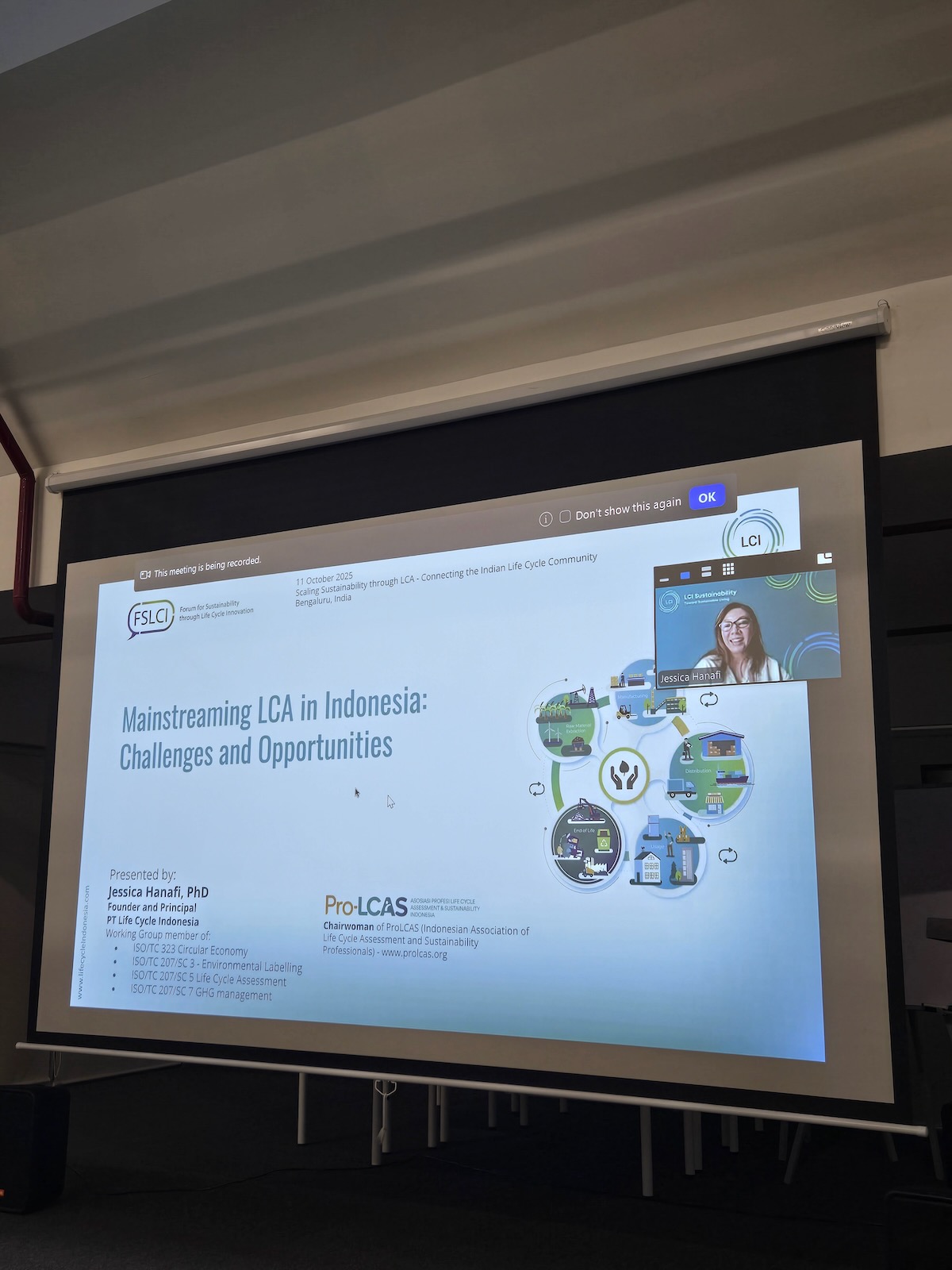
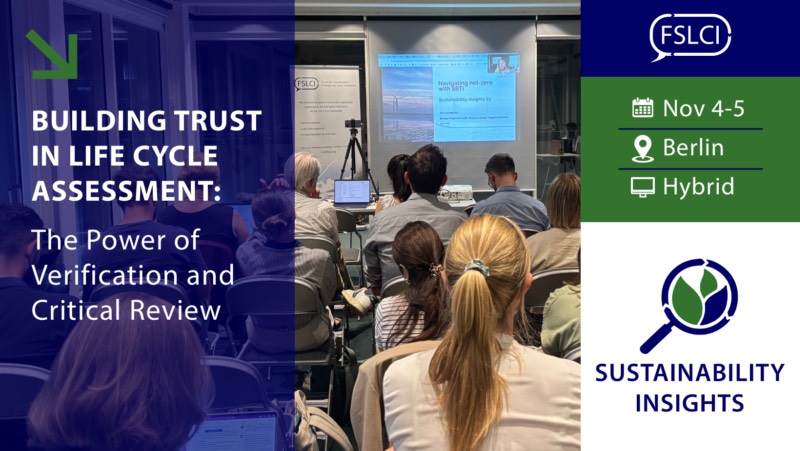
We are excited to announce the next edition of our Sustainability Insights workshop series! On November 4–5, 2025, we welcome you to join us in Berlin, Germany or participate virtually in our fourth Sustainability Insights workshop, centered around the theme: “Building Trust in LCA: The Power of Verification and Critical Review.”
As LCA and product carbon footprinting mature and expand into new industries, trust and transparency become more critical than ever. Robust verification and critical review are no longer optional—they are essential. With emerging regulatory frameworks across Europe and beyond, the way we ensure accuracy, reliability, and credibility in environmental assessments is changing rapidly.
Why This Workshop Matters
At Sustainability Insights 04, we are thrilled to welcome several great speakers, such as Mauro Cordella (DG ENV, European Commission), Philippe Osset (Solinnen), Patrick Ober (ISCC), Daniel Müller (TÜV SÜD), and Stefan Zwerenz (IBU Verify). Together with them, we will explore:
- How verification and critical review strengthen confidence in LCA results
- The role of pre-verified models, tool verification, and documentation requirements
- Approaches for real-time emissions monitoring that meet future compliance needs
- Experiences and practical lessons from ongoing projects and initiatives
This workshop is the perfect opportunity to stay at the forefront of developments shaping how organizations measure and communicate their climate impact.
A Unique Event Format
As usual, the workshop will be organized with our proven interactive format:
- Expert presentations to set the stage and inspire discussion
- Moderated small-group dialogues for deep dives into practical challenges and solutions
- Barcamp sessions, where participants decide the topics, ensuring the final conversations reflect the interests and needs of the community
This blend of inspiration, dialogue, and co-creation creates a truly engaging space for knowledge exchange and networking.
Join Us in Berlin – or Online
Whether you prefer the energy of meeting in person or the convenience of joining virtually, this hybrid event is designed to be accessible and impactful for both audiences.
Don’t miss your chance to be part of Sustainability Insights 04. Secure your spot today and contribute to the conversations shaping the future of trustworthy, transparent sustainability assessments.
👉 Get your Early Bird ticket until October 10 and join us on November 4–5, 2025!
We are thrilled to announce that we are heading to Bengaluru, India this October to host a special event titled “Scaling Sustainability through Life Cycle Thinking” . Scheduled for October 11th, the one-day program will take place at the Science Gallery Bengaluru. The event is designed to reconnect India’s life cycle community and spark fresh conversations about the role of Life Cycle Assessment (LCA) in driving sustainable change.
The agenda will open with keynote addresses before shifting to case studies from industry experts, showcasing how companies are already using LCA methodologies to assess and reduce their environmental impacts. A dedicated research session will spotlight recent projects and academic contributions, offering participants a window into new developments shaping the field. The audience will also be introduced to FSLCI’s classic barcamp styled session, allowing the members to actively shape the discussions around the challenges they face, and explore how life cycle thinking can be applied in new and innovative ways.
This event marks an important step in our journey toward building a truly global life cycle community. The Bengaluru event is just the beginning — the Indian community can look forward to more initiatives from FSLCI designed to foster connection, innovation, and lasting impact.
You can learn more about and rsvp for the event now here!