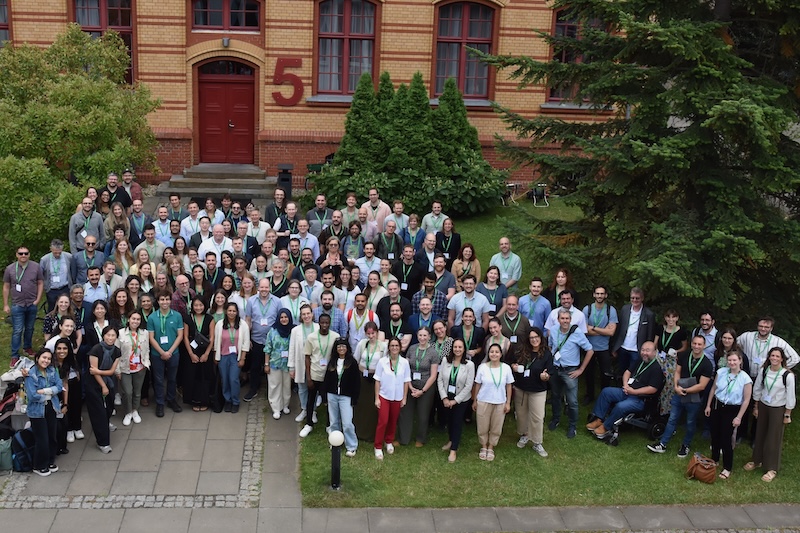
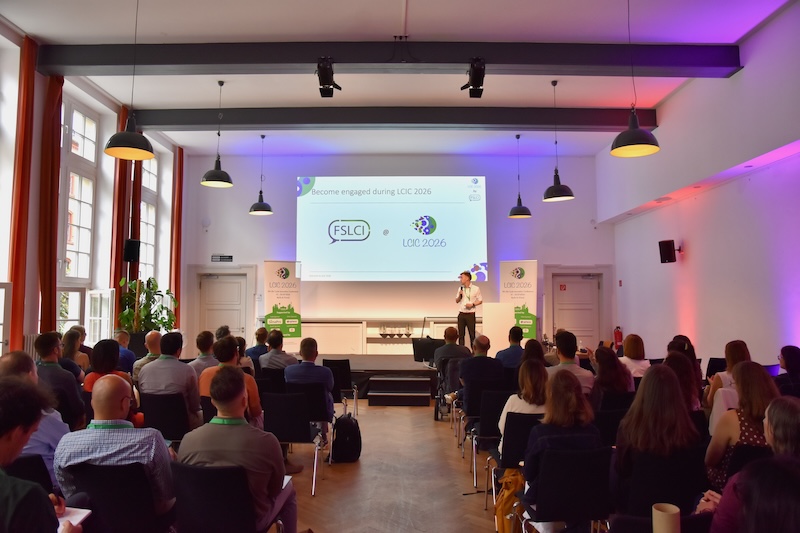
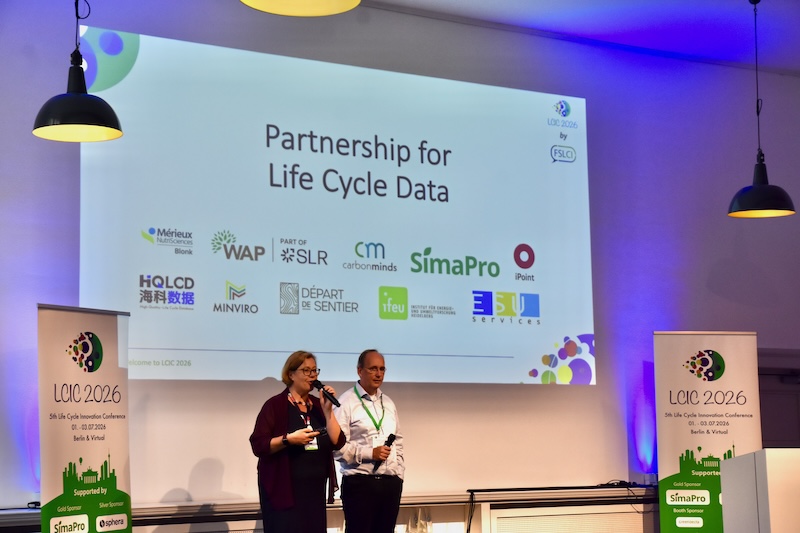
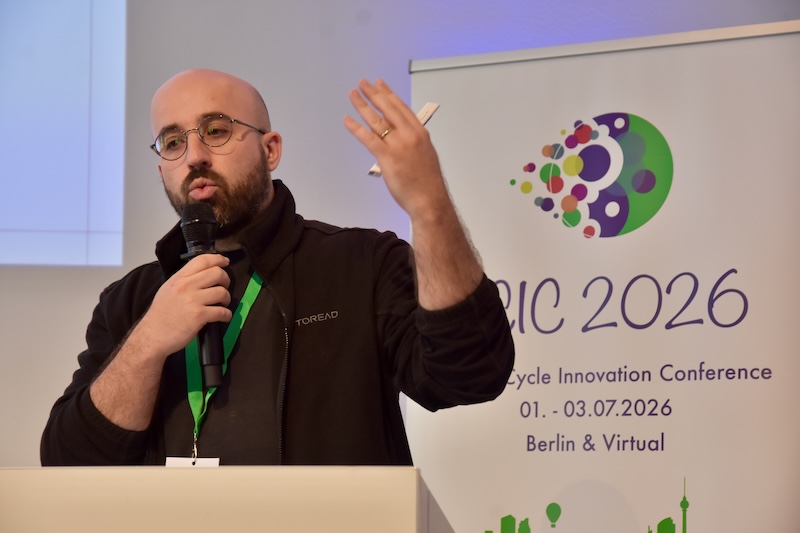
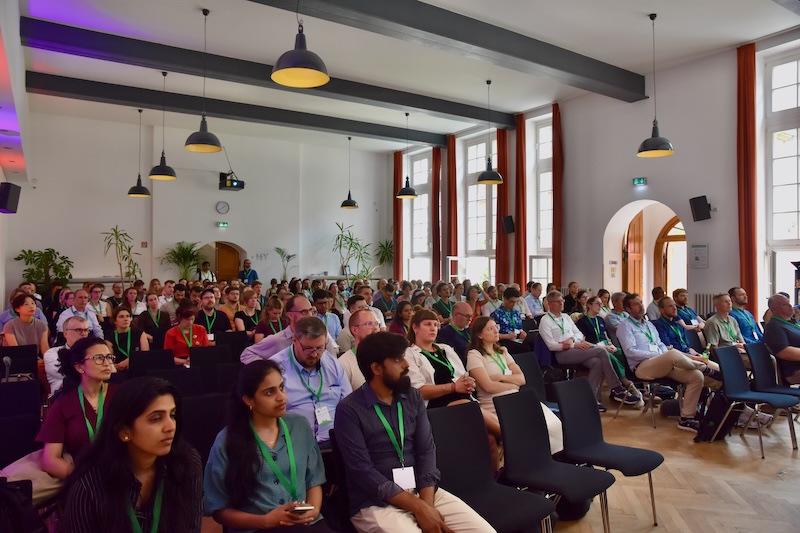
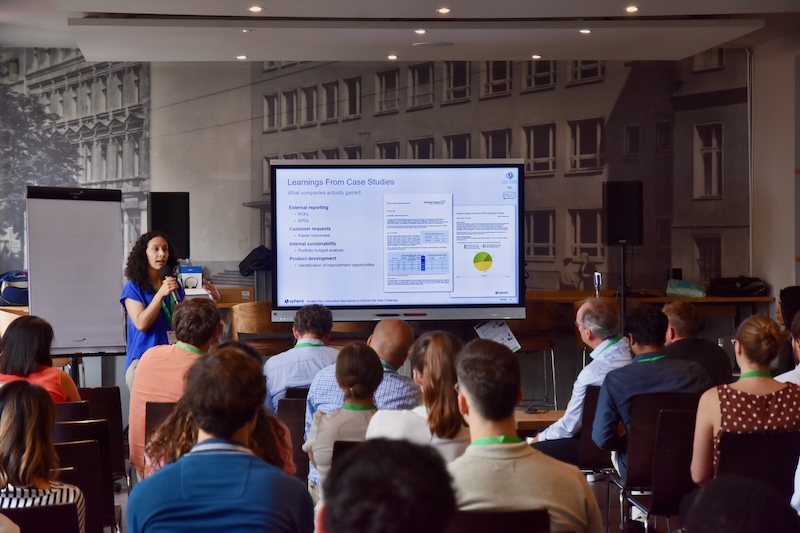
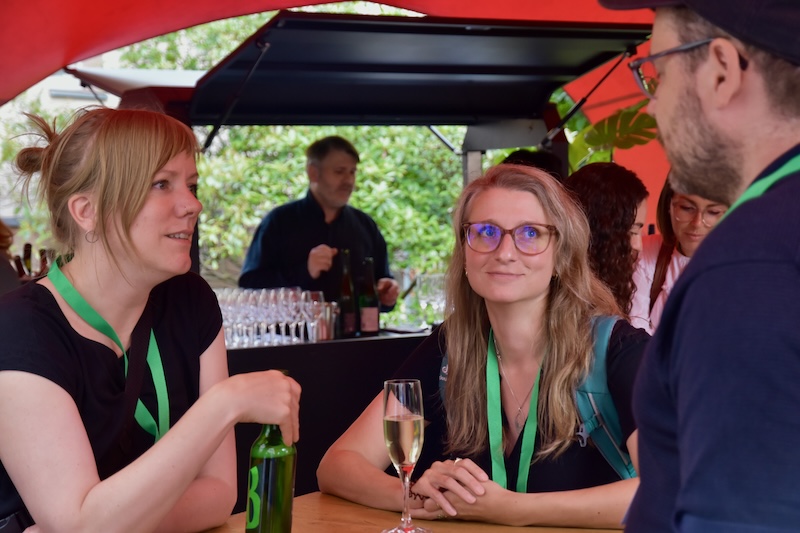
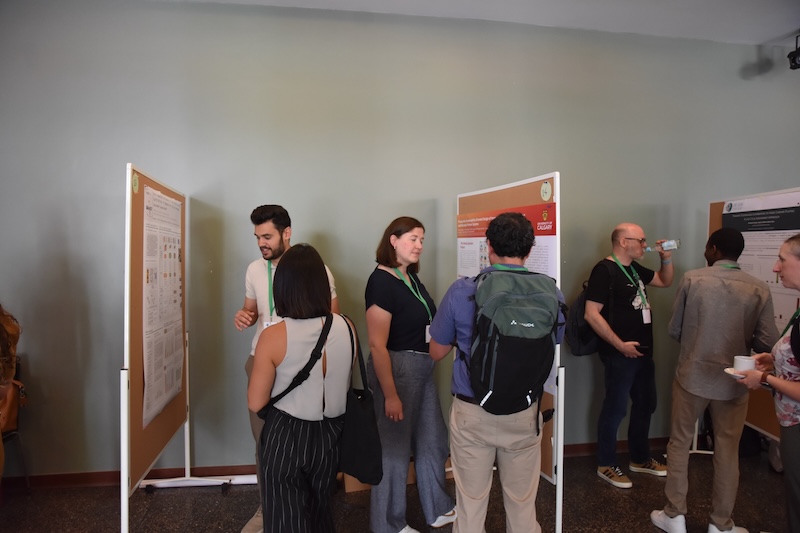
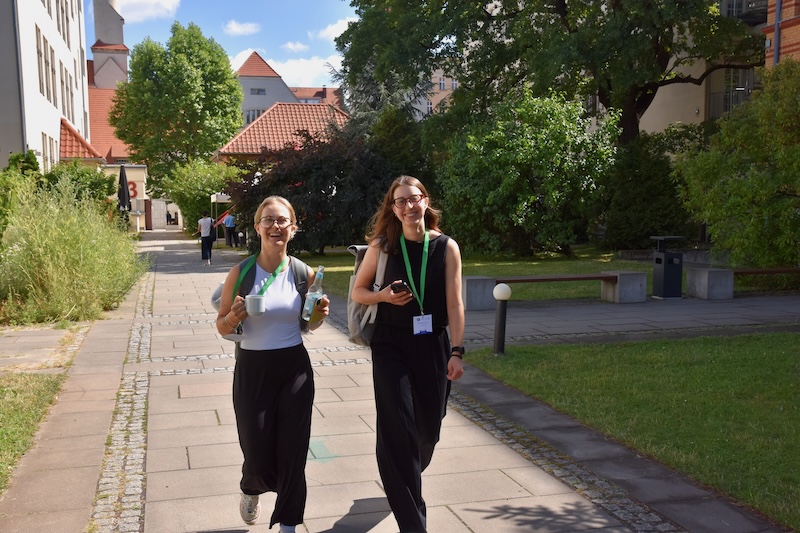
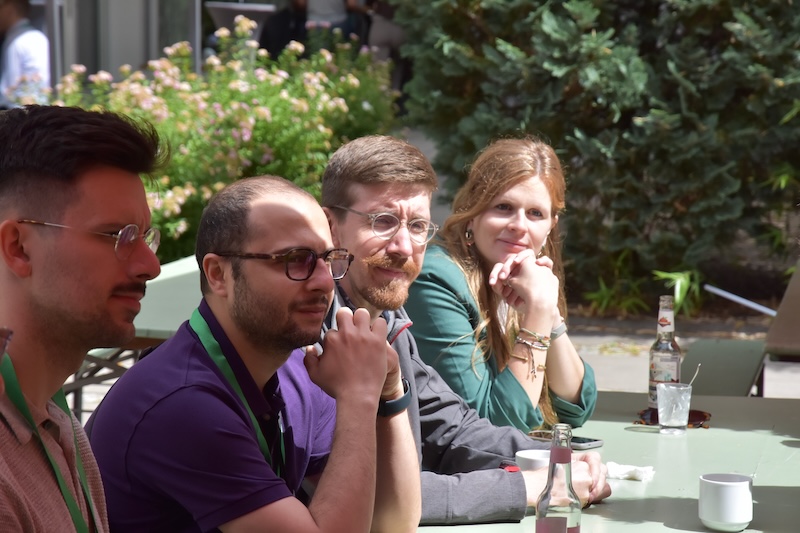
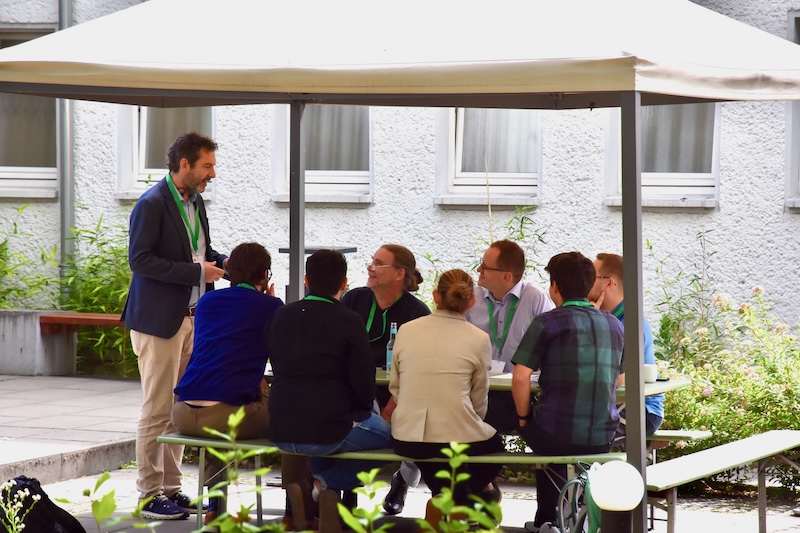
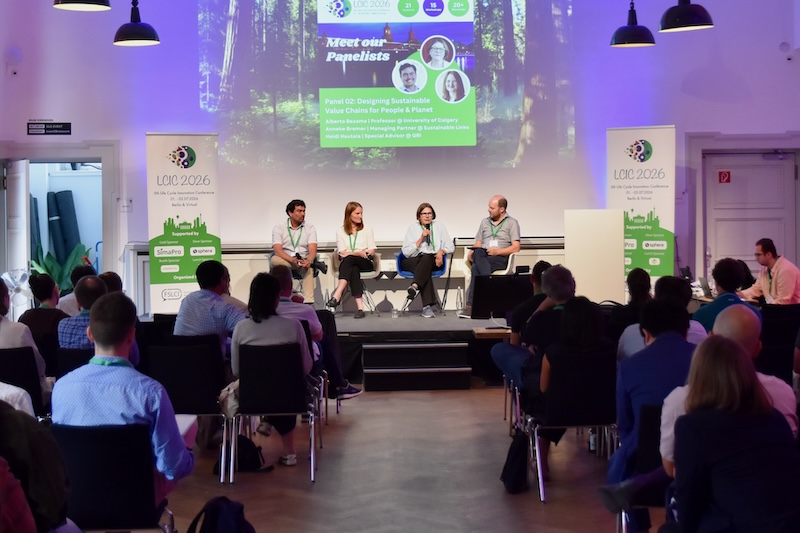
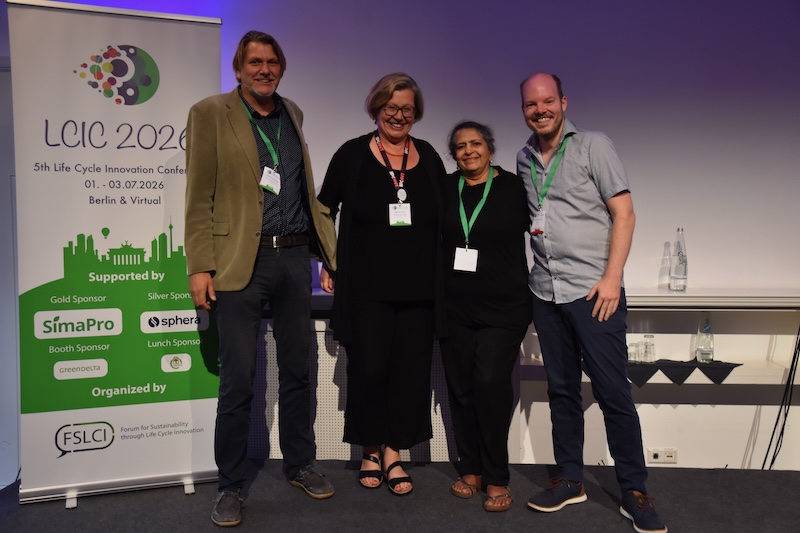
Earlier this month, we hosted the 5th edition of our Life Cycle Innovation Conference in Berlin as well as virtually. If you did not join us, here’s what you missed in short: three highly insightful and interactive conference days, 21 sessions, 15 workshops, nearly 20 barcamps, and a room full of international researchers, industry practitioners, policymakers, and students who spent the week arguing about the key questions in sustainability today.
A genuinely wide-ranging program
If there’s one thing this year’s LCIC made clear, it’s that “life cycle thinking” now touches almost every corner of sustainability practice. The first conference day focused on hot topics like AI, digitalization and data, and, after a great keynote by Gauthier Roussilhe, various sessions covered presentations on matters like AI-transformed databases and CSRD-ready dashboards to conversational LCA and LLM-driven inventory modelling.
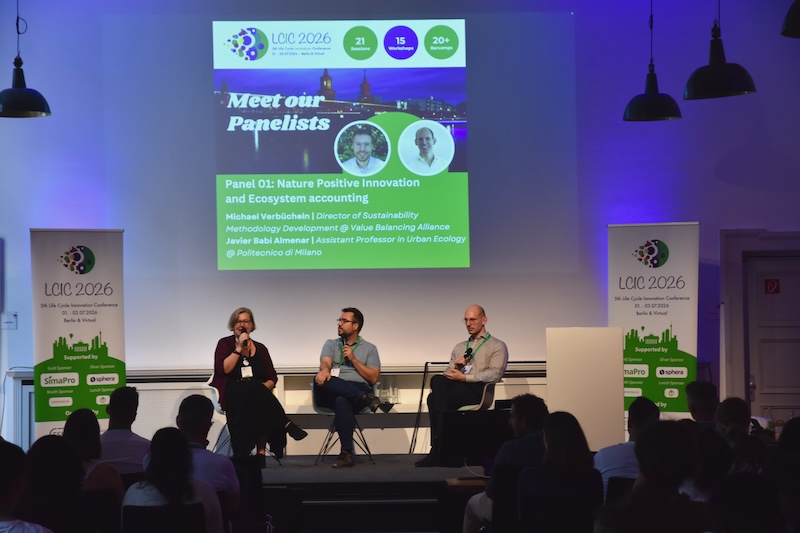
During the second conference day, sector-specific sessions put a focus e.g. on the built environment and the healthcare sector, while two sessions on prospective LCA tackled everything from biobased filtration membranes to next-generation steelmaking. Another two dedicated sessions explored whether the bio-economy delivers on its sustainability promise, and our panel discussion featured a highly interesting insight into “Nature-Positive Innovation & Ecosystem Accounting”.
The social dimension of sustainability featured prominently in our panel on “Designing Sustainable Value Chains for People & Planet” on the last day of the conference, alongside sessions tracking the latest developments in the circular economy, textiles, and waste management sectors.
Multiple formats, one goal: Getting people to engage
Part of what makes LCIC distinct from a standard academic conference is that it isn’t built around plenaries and PowerPoints alone. Instead, we offer a range of different formats, each doing a different job: Our 21 sessions put a great spotlight on the latest insights from the research community, while also highlighting case studies and insights from industry.
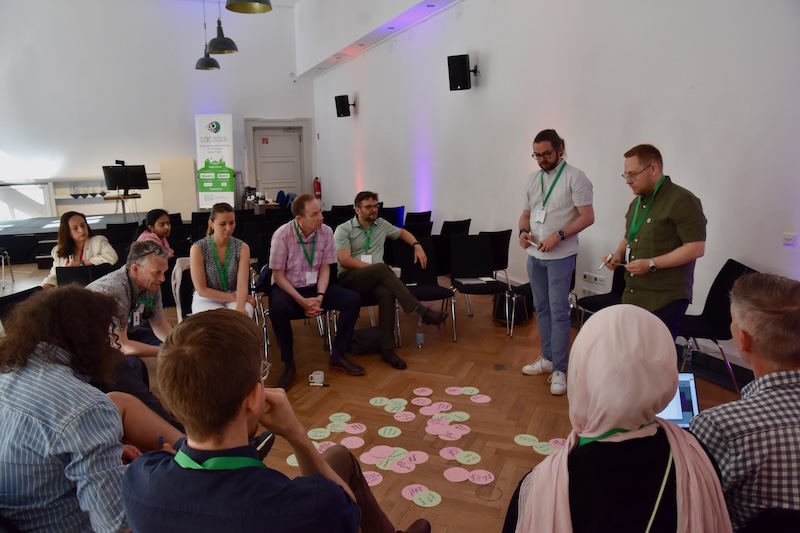
Our 15 workshops encouraged participants to work through a challenge together and offered hands-on, practice-oriented engagement opportunities covering issues such as chemical footprinting tools, advanced analysis techniques, forecasting under uncertainty, translating LCA results for non-expert audiences, or a forward-looking push on certification standards for the next generation of professionals.
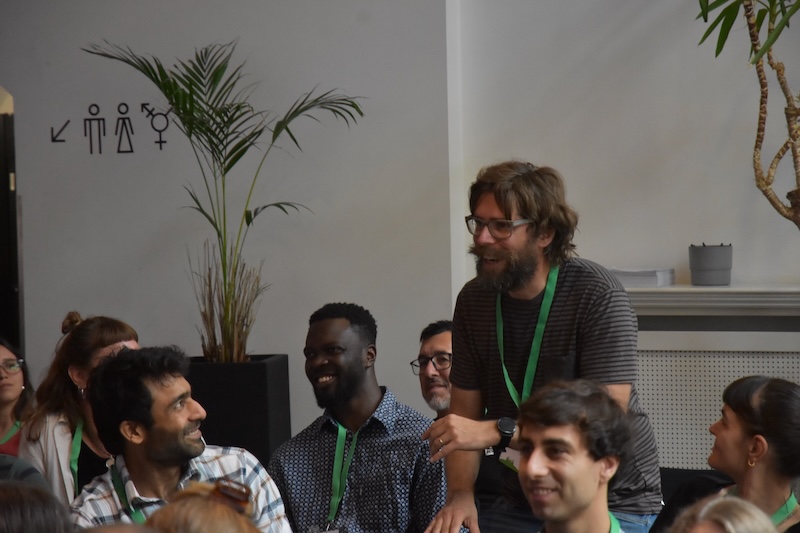
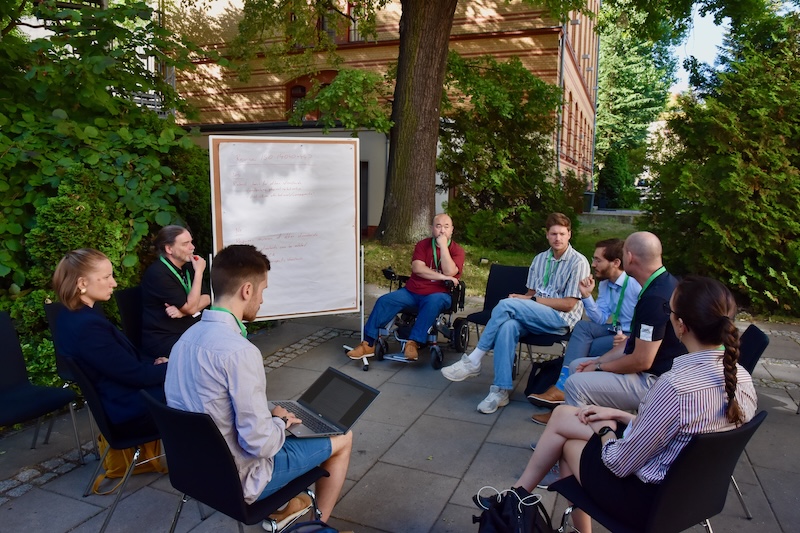
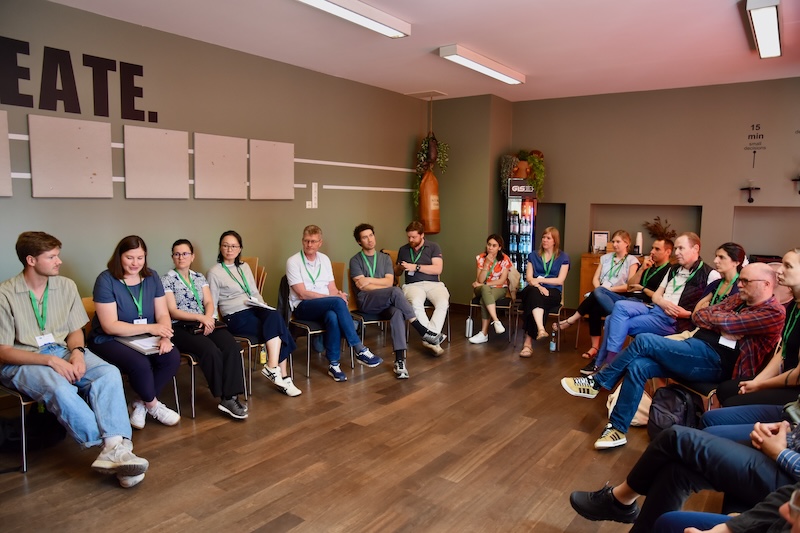
Our various barcamps made passive participants into active contributors by co-creating a third of our conference agenda in real time and offering discussions on topics such as “What is the role of science in LCA?” or “How to bridge the gap between policy, industry, and academia” or “Standardisation of LCA/PCF data reports”.
Taken together, the program reflected what LCIC has always aimed to be: a place where deep technical rigor and real-world application meet across every corner of the life cycle community while offering a multitude of engagement opportunities.
During the conference, it was amazing to see the program come to life and feel a spirit of collaboration and co-creation, which was also reflected in the data. In this year’s post-conference survey, 83% of respondents said the mix of formats worked very well, and it was the single most-cited reason people gave for what made attending LCIC 2026 worthwhile.
What people actually took away
Now, beyond the hard statistical data, let’s take a look at what participants themselves said about their experience at LCIC 2026. Here are a few examples:
“I leave the conference with new insights, meaningful connections, and fresh inspiration.” Silu Bhochhibhoya, Senior Researcher @ Zuyd University of Applied Sciences
“The conversations, presentations, and networking made the event both insightful and inspiring. (…) Your efforts created a fantastic platform for learning, connecting, and collaborating.”
Asfand Yar Munir, Manager @ Holcim
“Some conferences give you new knowledge. Others give you direction. For me, LCIC 2026 gave me both.”
Salisu Abubakar, Student Volunteer
In our post-conference survey, similar themes surfaced independently: several attendees pointed to the keynote and panel discussions as genuinely thought-provoking rather than the usual conference filler, with one describing the format as feeling “like listening to some of my podcasts — in a very good way.” Others flagged the value of seeing academic rigor and industry case studies sitting side by side in the same room, rather than at separate events entirely.
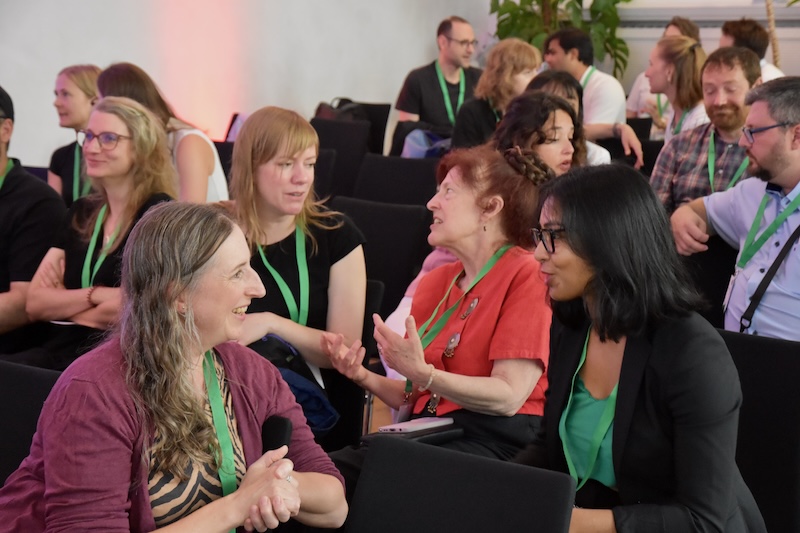
That combination — researchers, practitioners, and policymakers actually in the same conversation — is the thing that makes our conference so unique, and the thing that’s hardest to get from reading papers or watching a recorded talk after the fact.
Did we deliver for our participants?
With busy schedules and limited budgets, it’s a fair question for anyone deciding whether a conference like this is worth three days out of the office. The clearest answer we have is what attendees told us afterward: every single survey respondent said LCIC 2026 met or exceeded their expectations. 84% said they’d absolutely recommend it to a colleague. The average experience rating came in at 8.3 out of 10, and 84% said they’re likely or highly likely to be back for LCIC 2028.
None of that means the conference was flawless. We initially faced a few technical issues in bringing in our virtual participants, and the event app did not work smoothly for some participants. We have also already identified various additional aspects to improve the participant experience for the next conference.
Join us in 2028 — or sooner
Now, while LCIC happens only every two years, the community behind it doesn’t pause in between. We run webinars throughout the year, our working groups are continuing their work, and we continue to host smaller and regional events year-round, such as our upcoming Summer School in Malmö this August, our first-ever conference in India in September or our workshop on DPP in December. So there’s no need to wait until 2028 to get involved.
If this recap made you wish you’d been in the room, become an FSLCI member now for free access to all our webinars and the wider life cycle community, and keep an eye on this space for what’s next. We’ll be sharing more insights from LCIC 2026 in the coming weeks — and we’d love to see you in Berlin, or virtually, for our next big conference in 2028! Sign up now for our newsletter to get the latest updates!
We use cookies to enable key functionality on our website and our service.
Functional cookies
Always active
The technical storage or access is strictly necessary for the legitimate purpose of enabling the use of a specific service explicitly requested by the subscriber or user, or for the sole purpose of carrying out the transmission of a communication over an electronic communications network.
Preferences
The technical storage or access is necessary for the legitimate purpose of storing preferences that are not requested by the subscriber or user.
Statistics
The technical storage or access that is used exclusively for statistical purposes.The technical storage or access that is used exclusively for anonymous statistical purposes. Without a subpoena, voluntary compliance on the part of your Internet Service Provider, or additional records from a third party, information stored or retrieved for this purpose alone cannot usually be used to identify you.
Marketing
The technical storage or access is required to create user profiles to send advertising, or to track the user on a website or across several websites for similar marketing purposes.