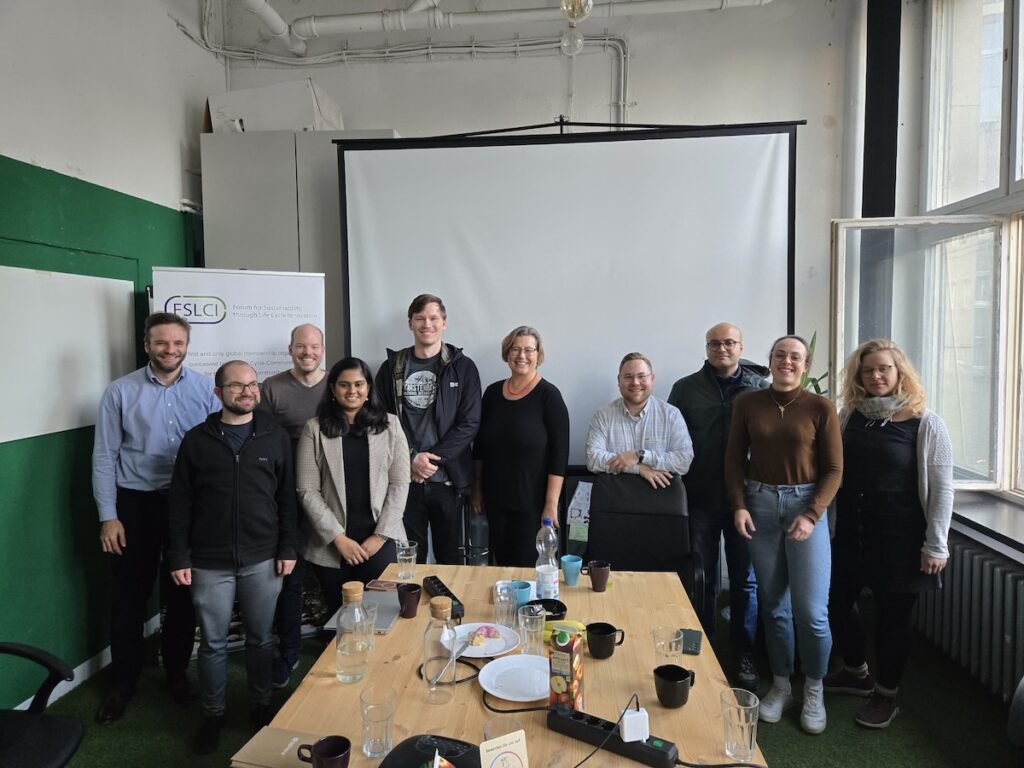
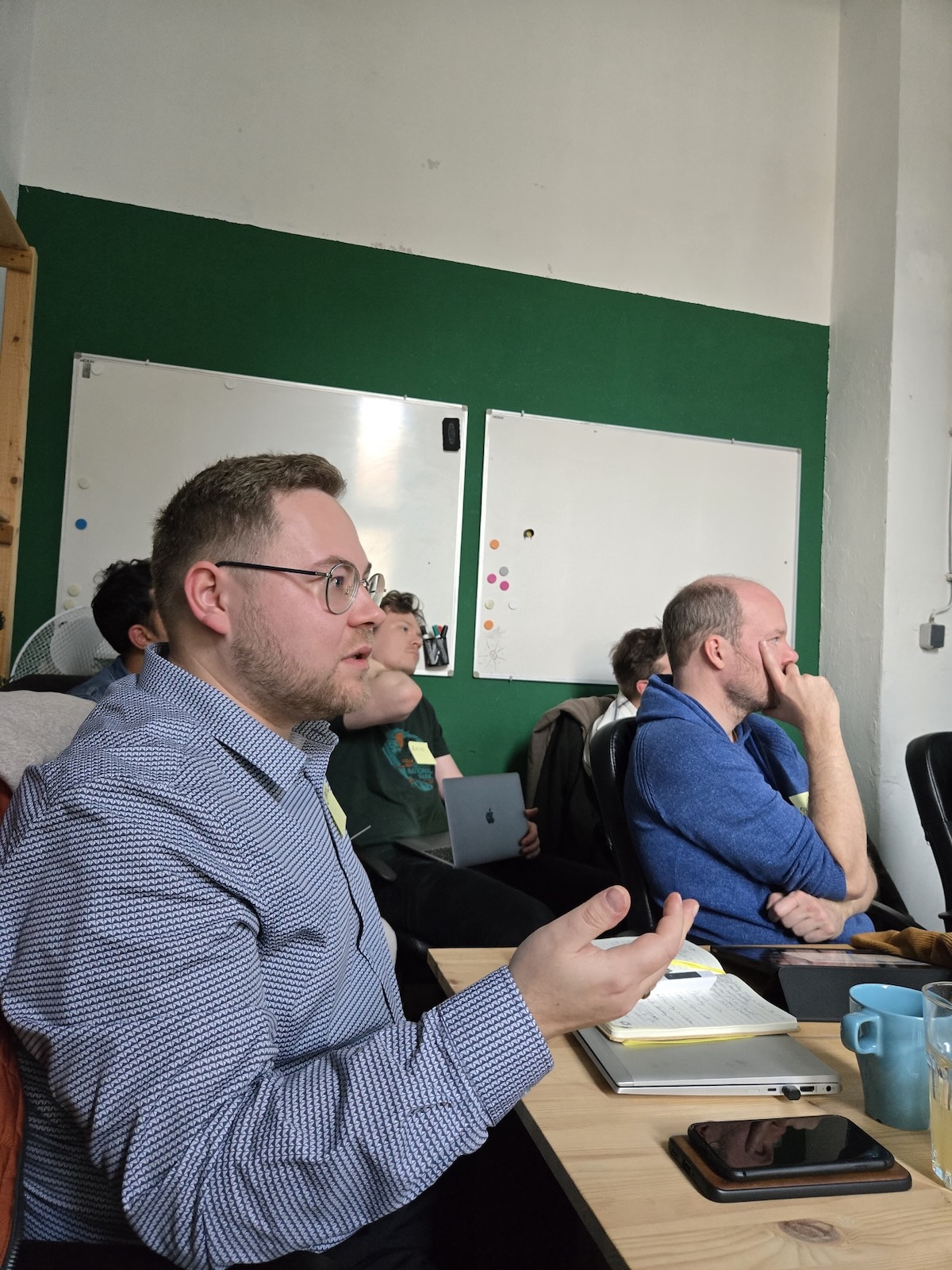
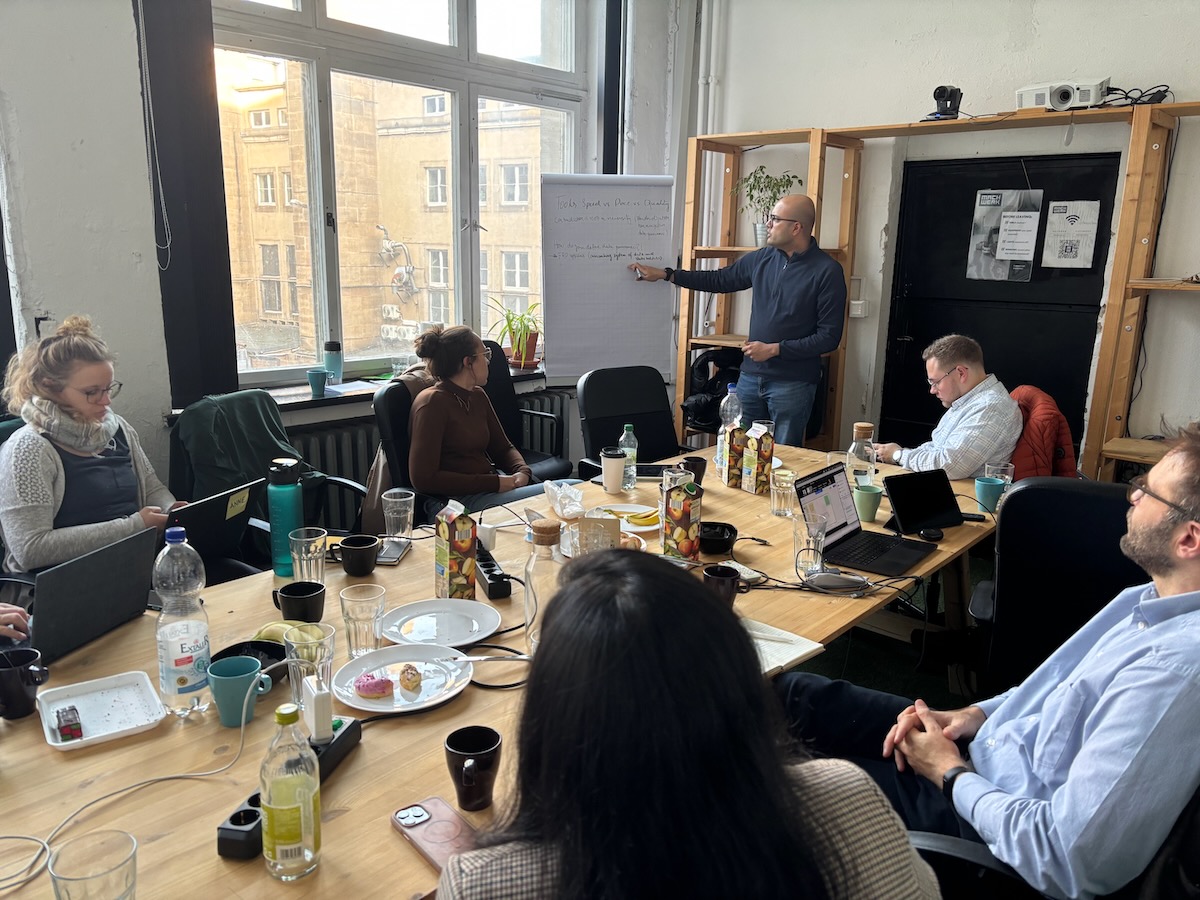
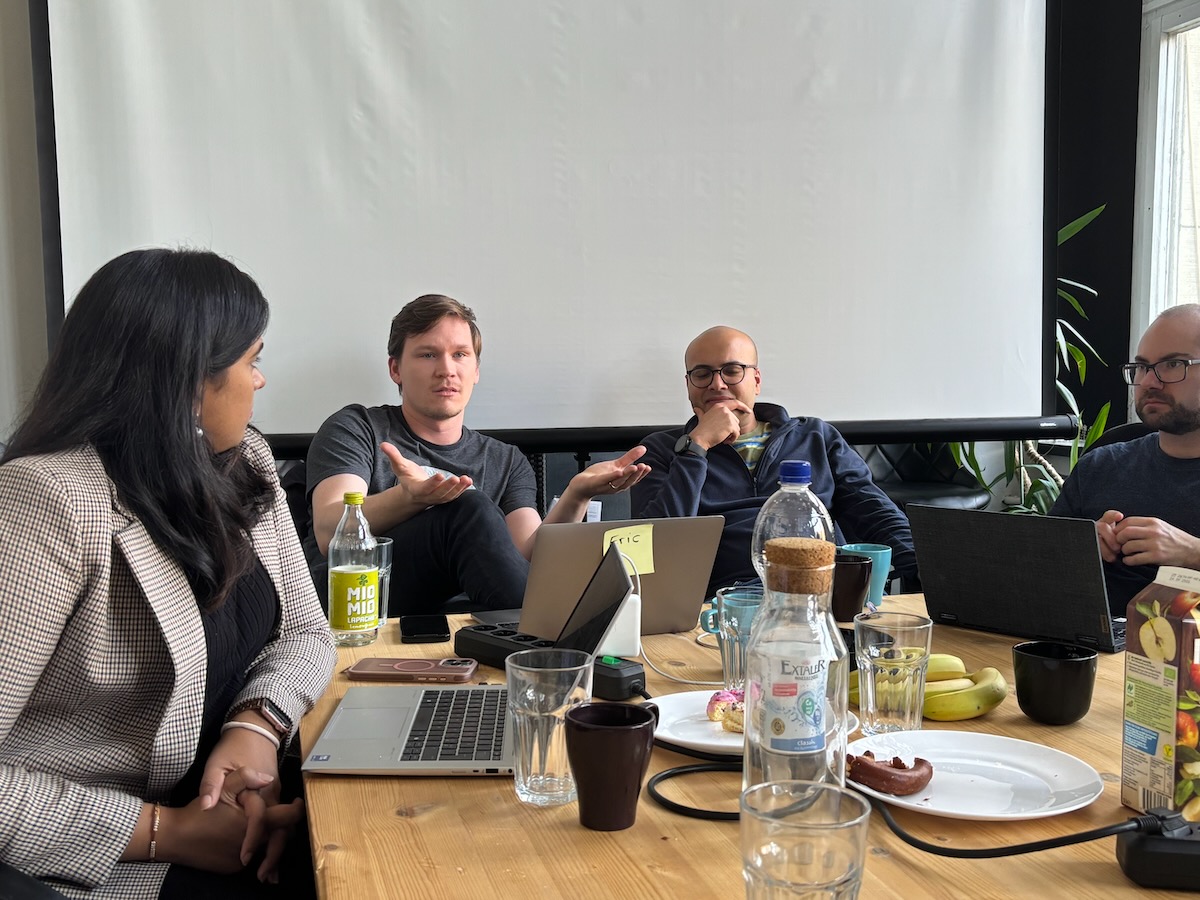
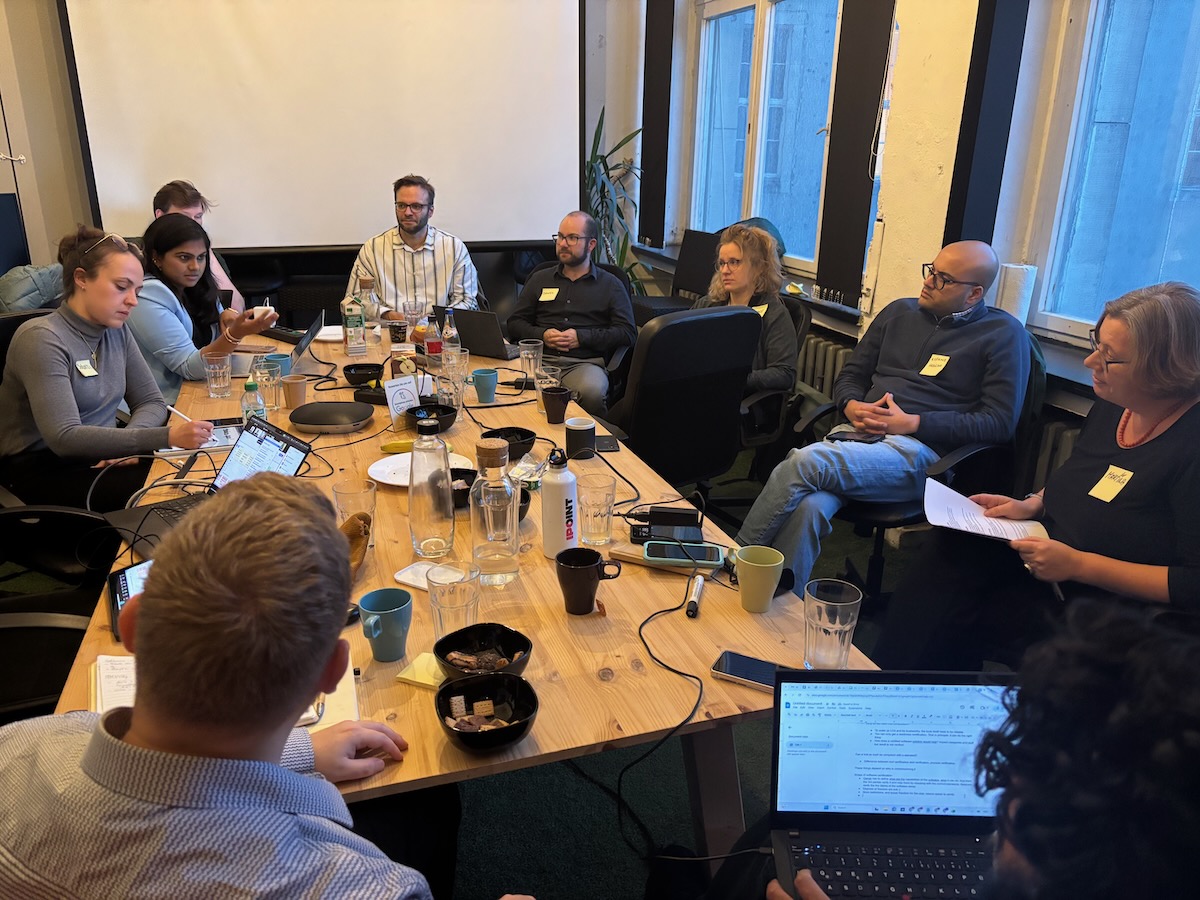
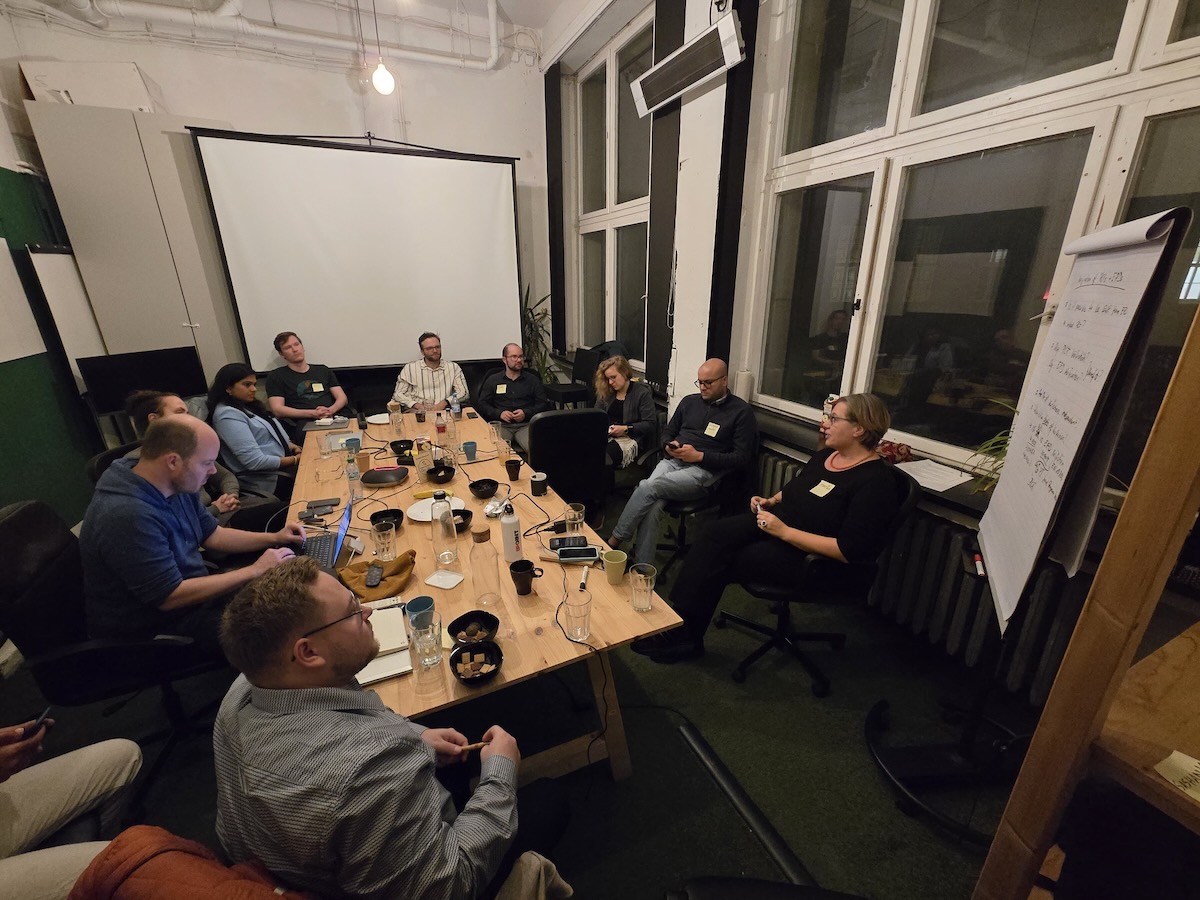
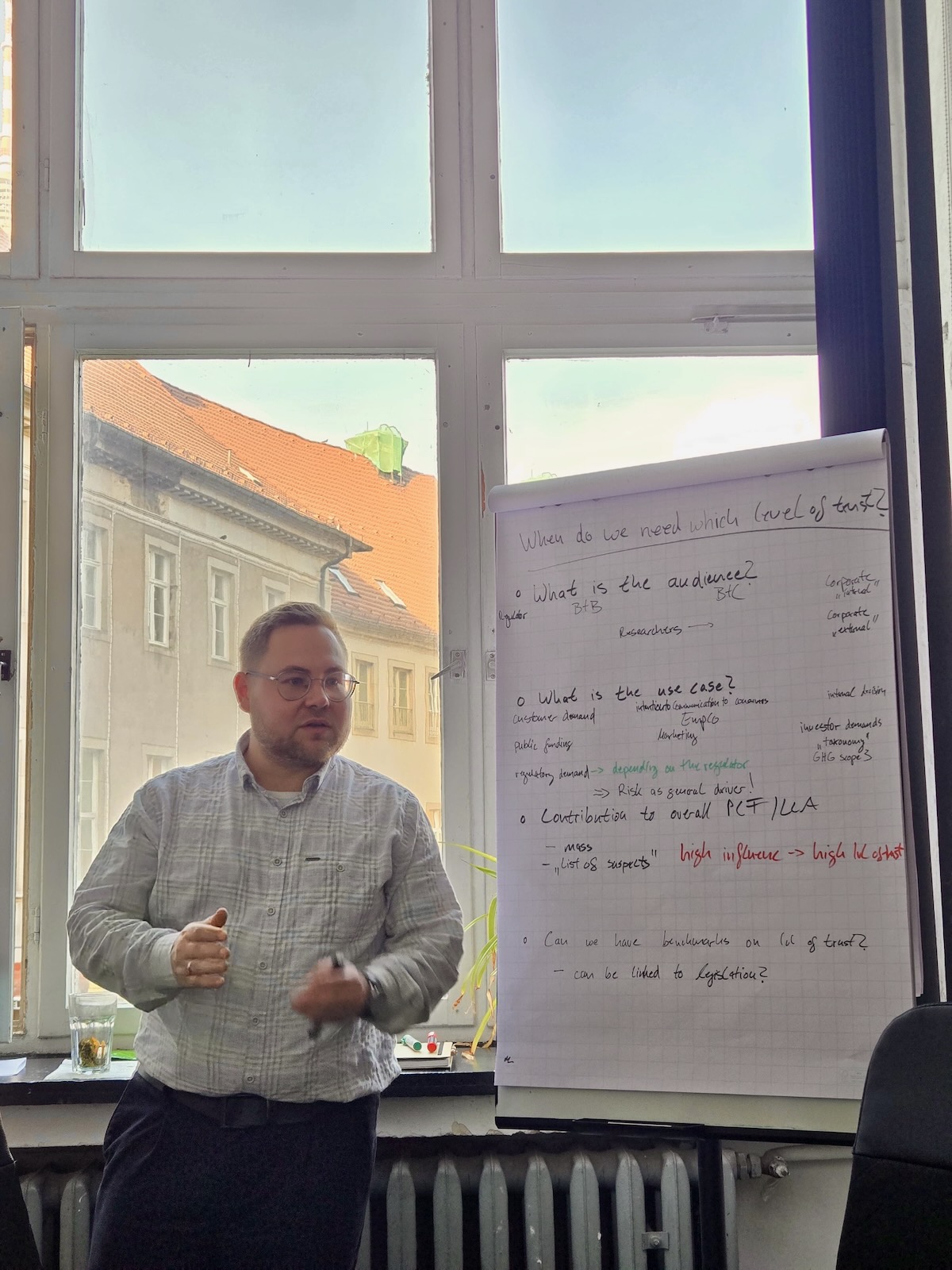
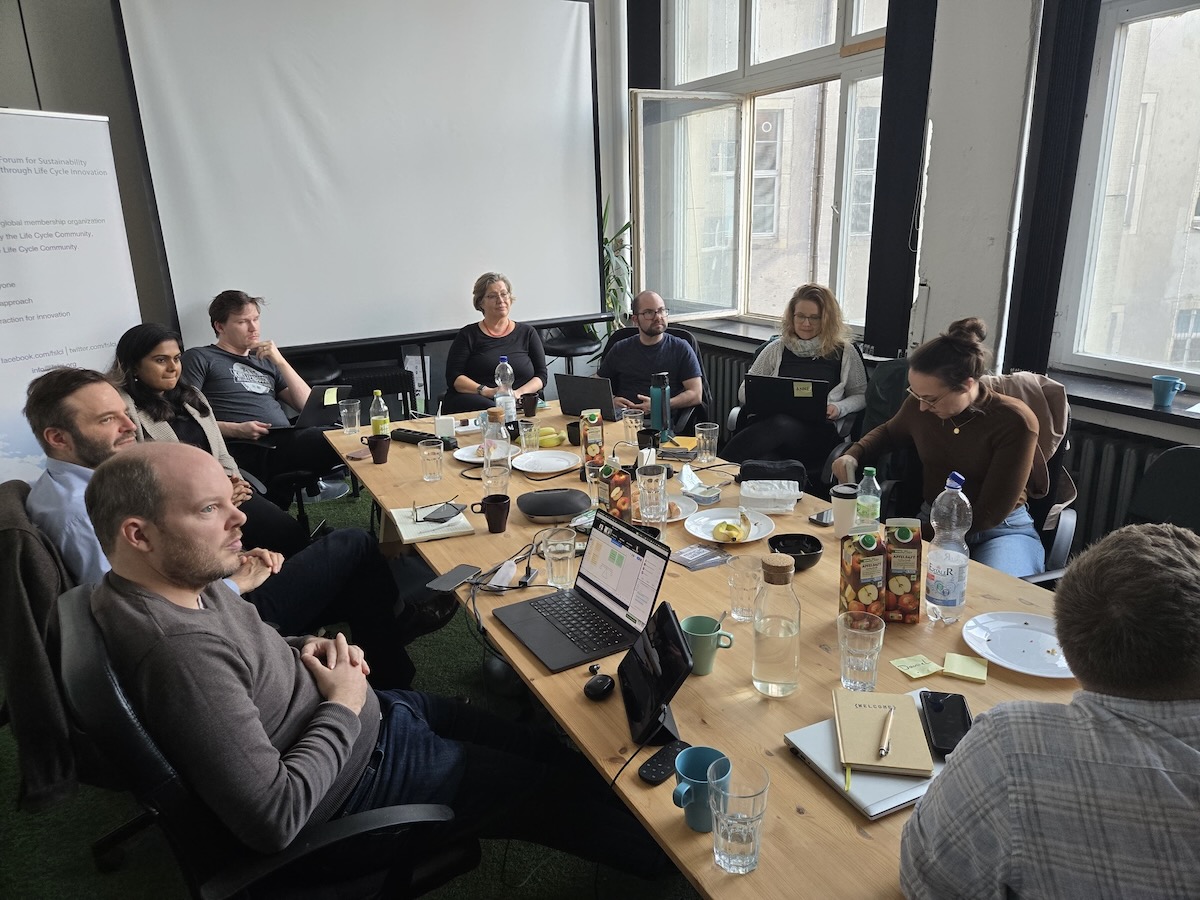
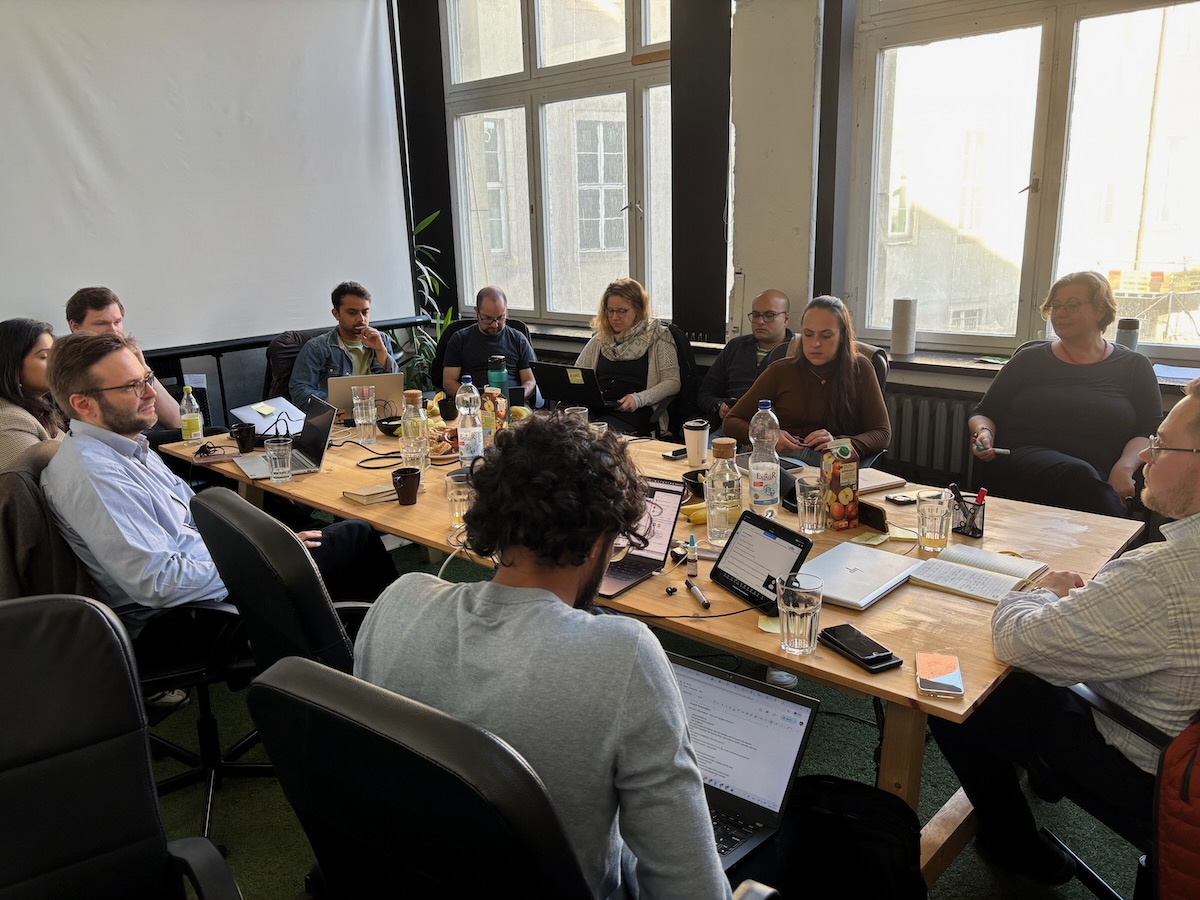
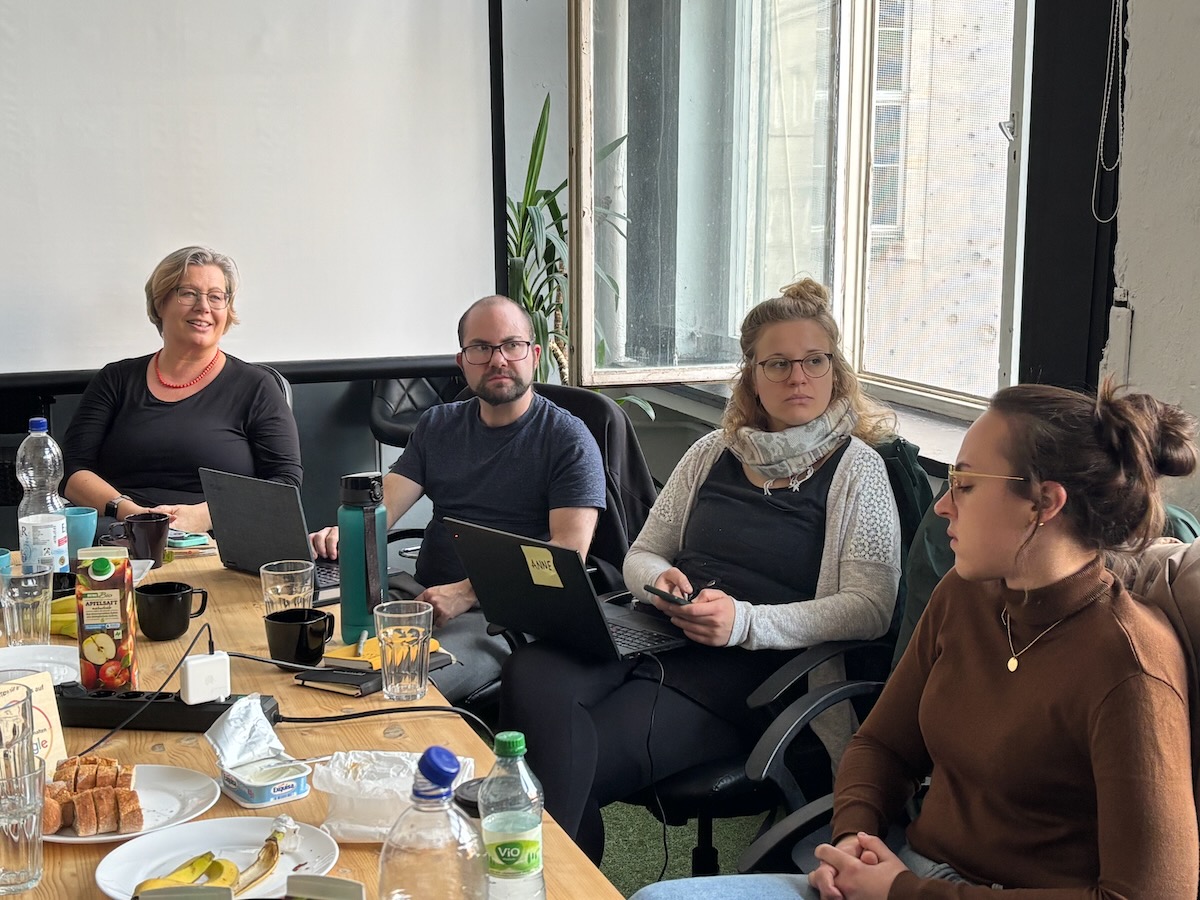
Earlier this week, we hosted the fourth workshop in our Sustainability Insights workshop series under the theme “Building Trust in LCA: The Power of Verification and Critical Review”. The 2-day event brought together around 30 life cycle practitioners (onsite and remote) from all over the world who discussed a wide range of questions aimed at enhancing the quality and credibility of LCAs, PCFs and EPDs.
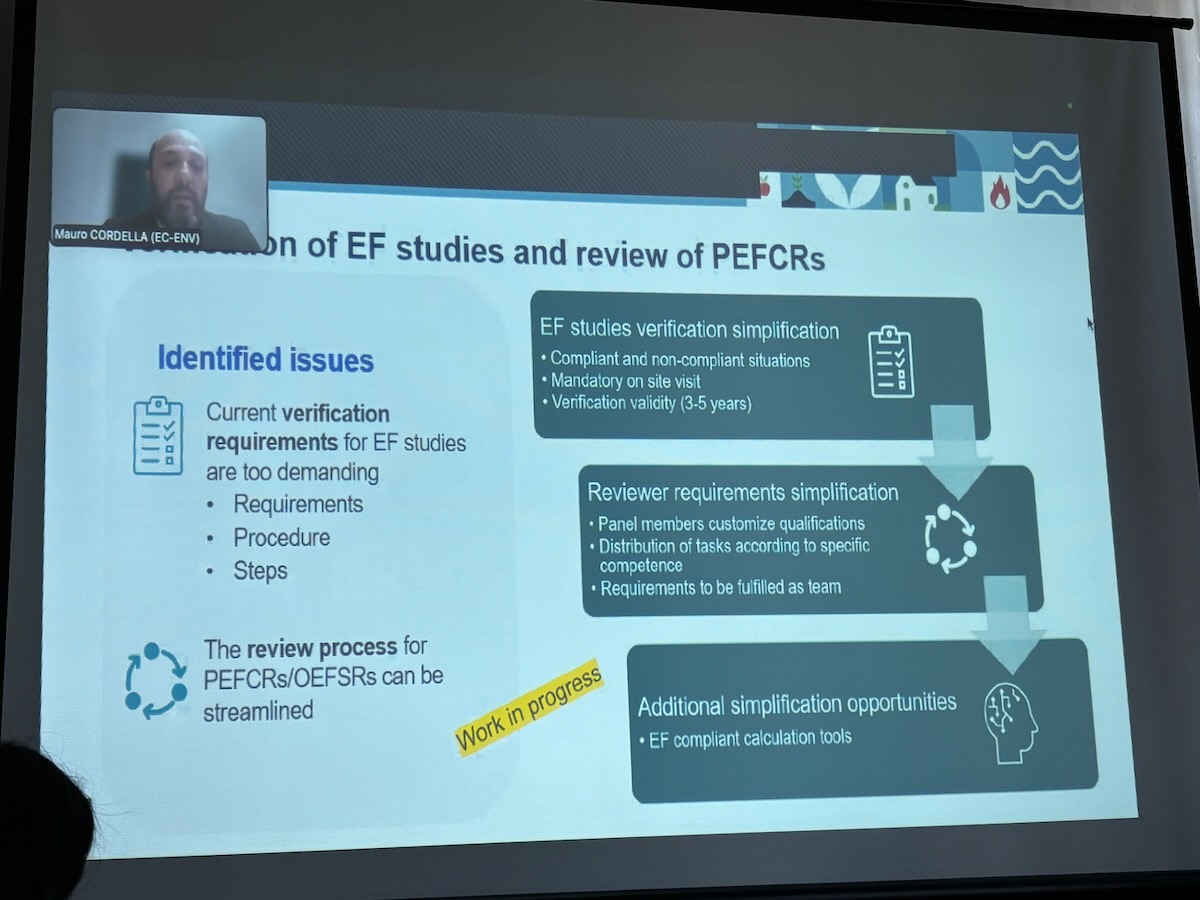
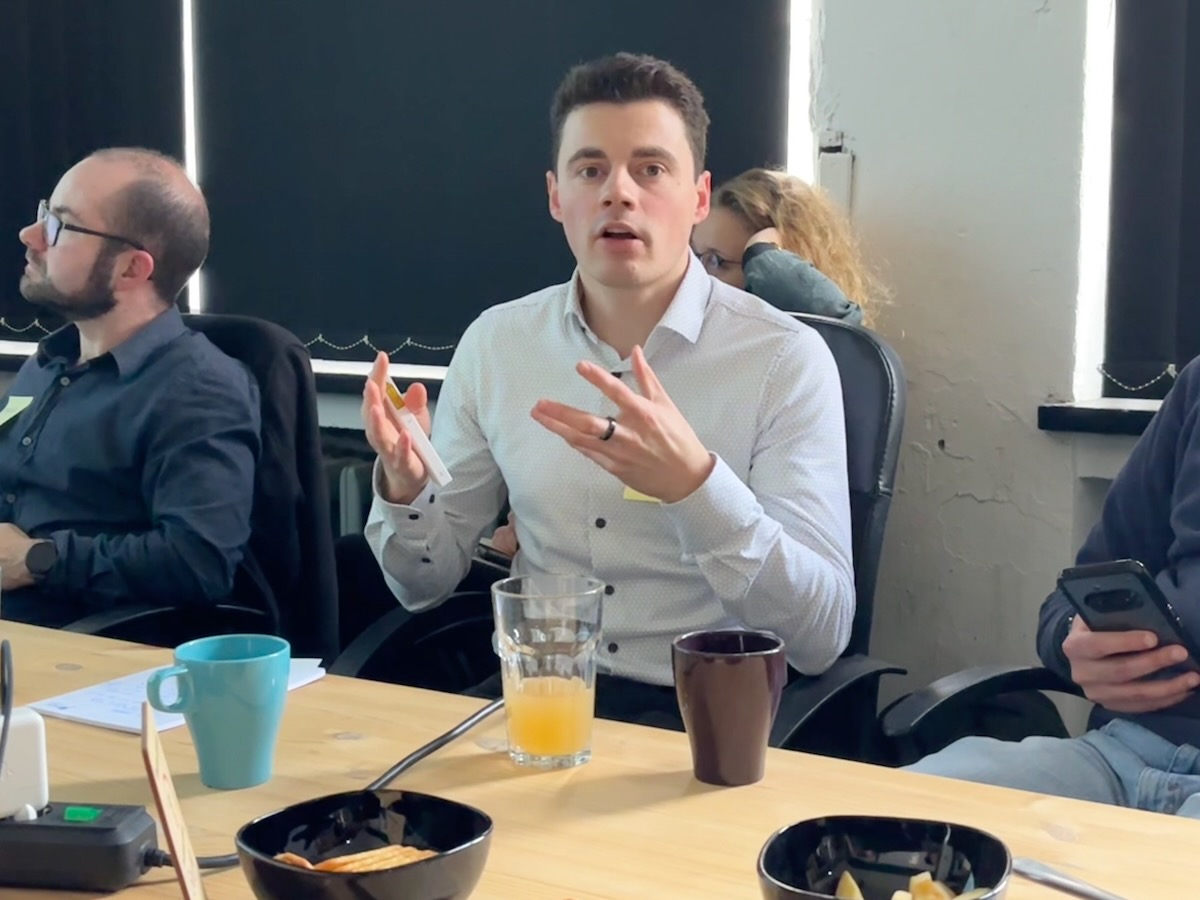
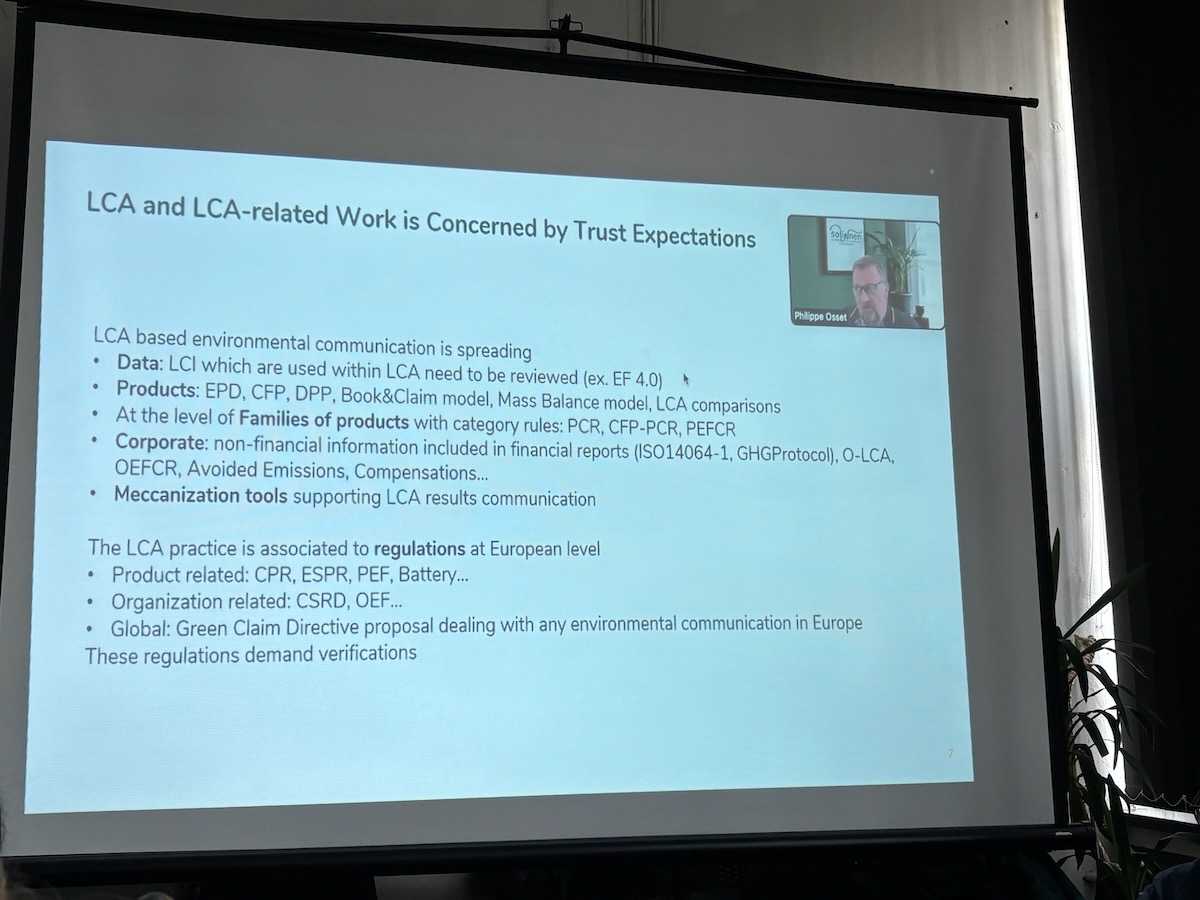
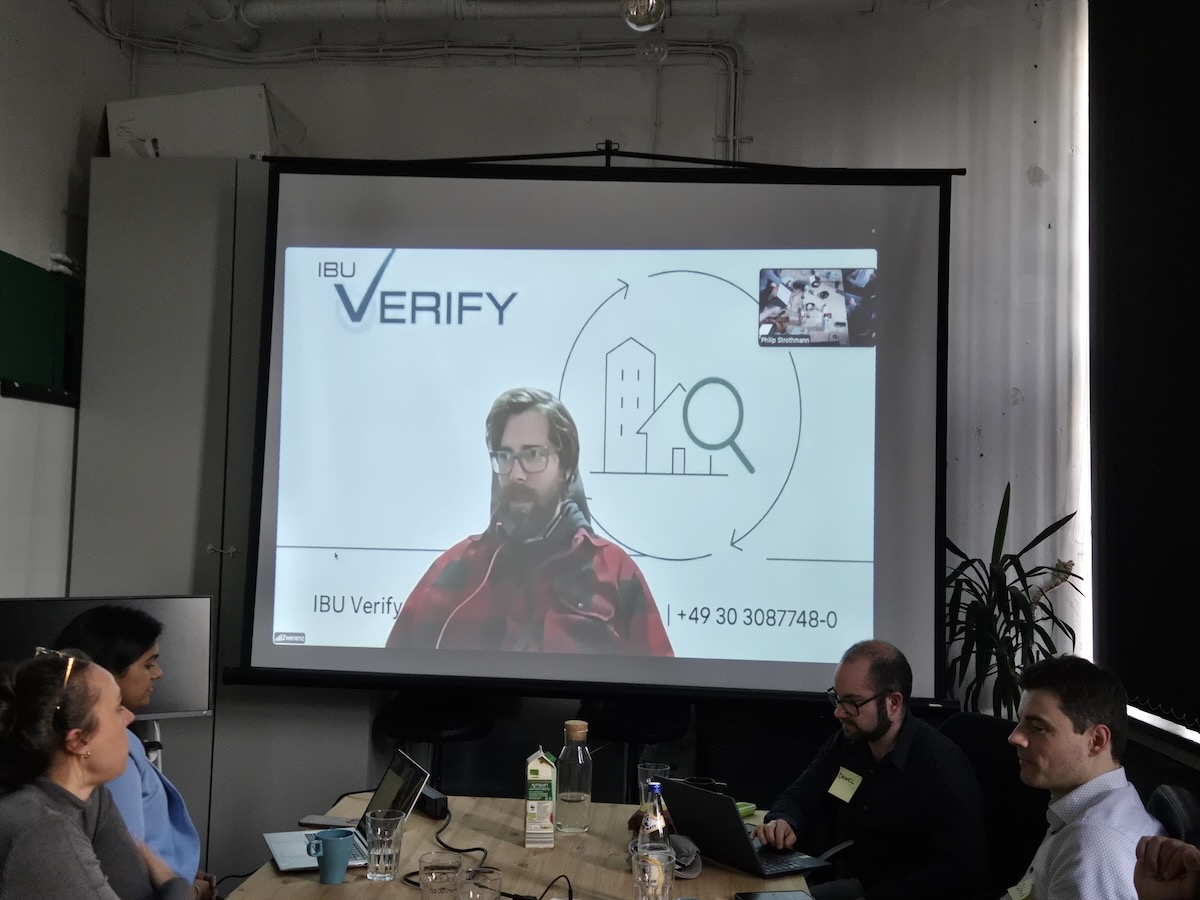
The event started with an input session with presentations from Mauro Cordella (DG Env, European Commission), Patrick Ober (ISCC), Daniel Philipp Müller (TÜV SÜD), Philippe Osset (Solinnen) and Stefan Zwerenz (IBU Verfiy). During his presentation, Mauro highlighted that the focus during the transition phase of Environmental Footprint program lies on simplifying verification procedures and improving data quality and uncertainty assessment. Patrick introduced ISCC’s Carbon Footprint Certification (CFC), explaining its aim to support standardized and reproducible product carbon footprint certifications for various products. Daniel outlined the work of TÜV SÜD and explained the different types of conformity assessments, including third-party assessments, and discussed the need for scalable LCA solutions. Philippe presented on critical review and verification practices in environmental communication, emphasizing the importance of trust and credibility in data. Stefan discussed the establishment of IBU Verify as an independent verification body and their goals to ensure accurate ecological data for construction products.
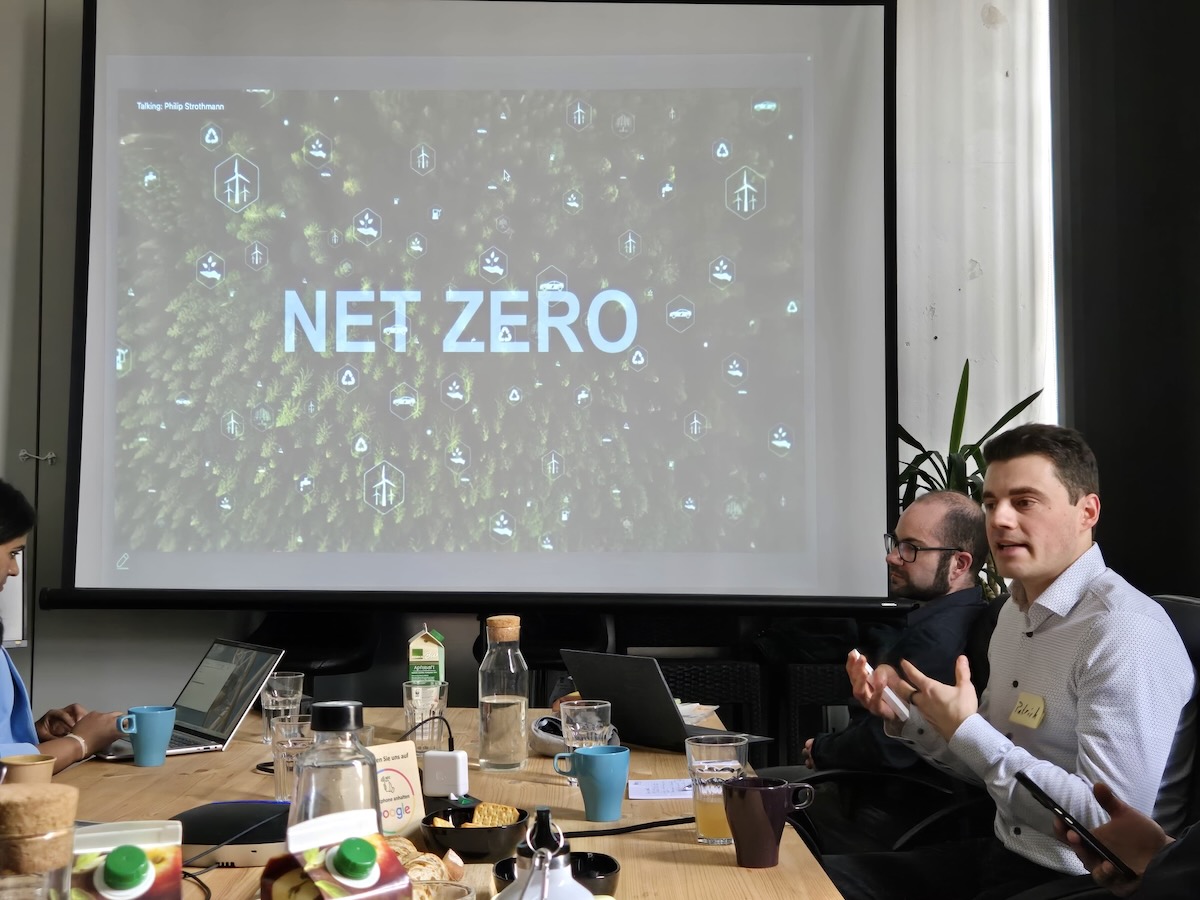
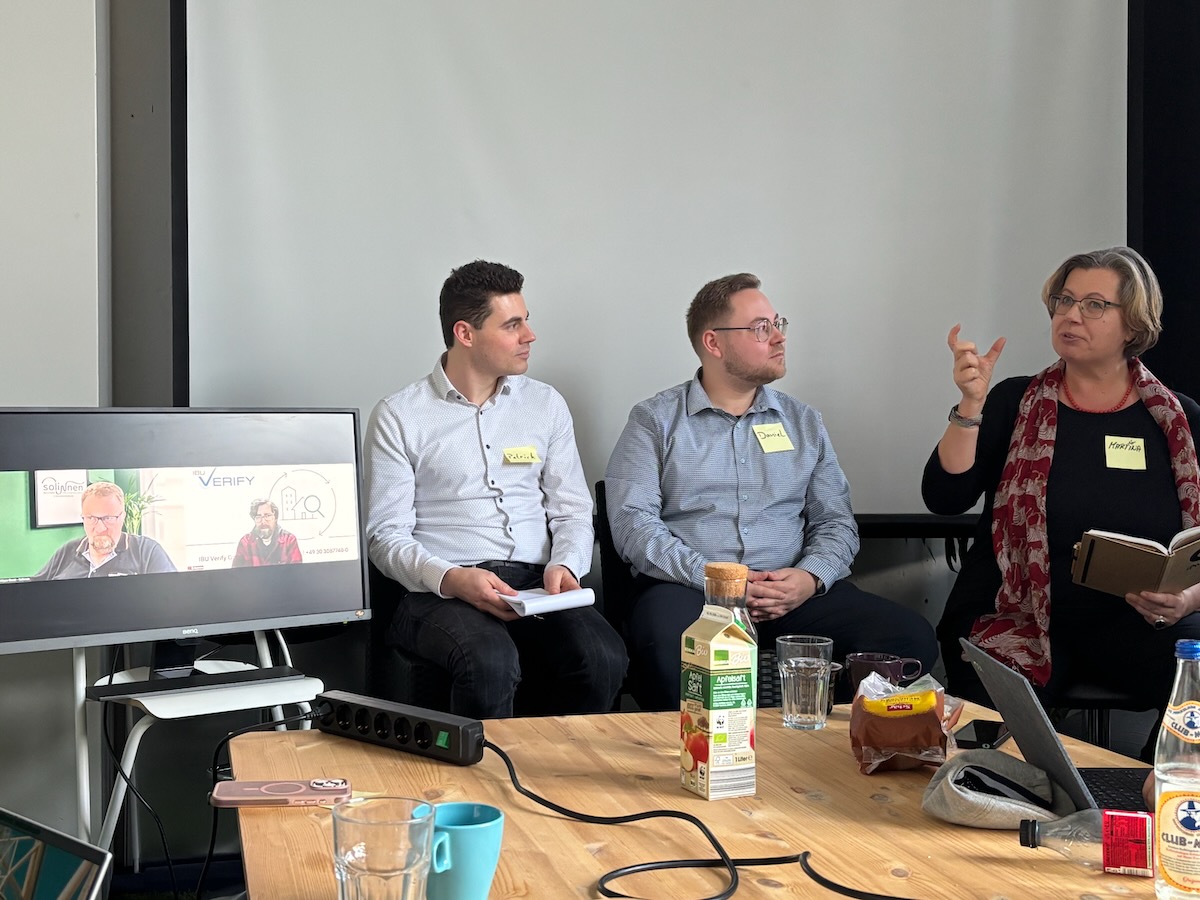
Following the individual presentations, the speakers joined a panel discussion during which they discussed data quality rating approaches, uncertainty handling, and the role of third‑party assessments, while also noting that upcoming regulations may not fully support system‑level assurance. The panelists also discussed the training and certification of auditors and the costs associated with EPD verifications.
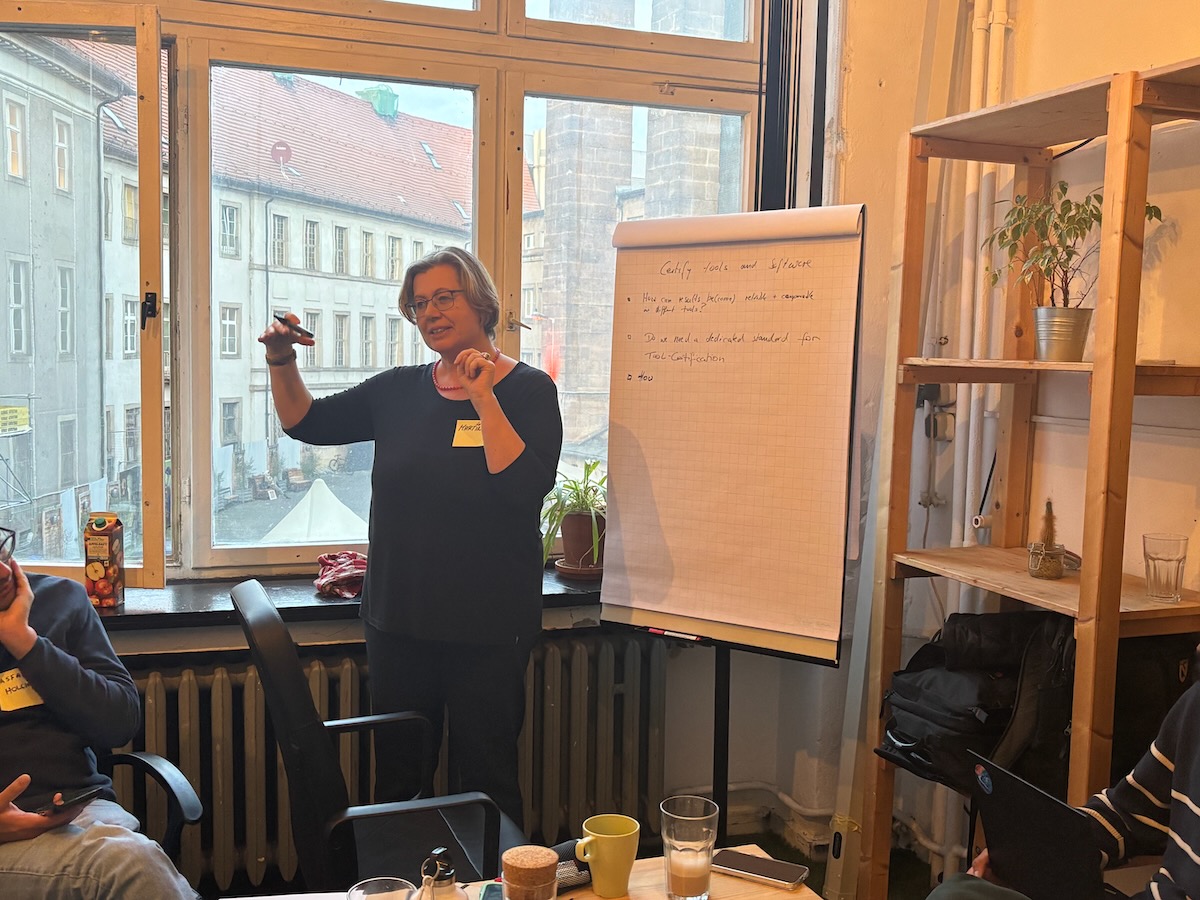
For the workshop sessions, participants voted on a range of topics and chose to focus during their discussion session on the following topics:
Certification of tools and software
Verifying PCFs and EPDs
AI and automation
Pre-certified models and templates
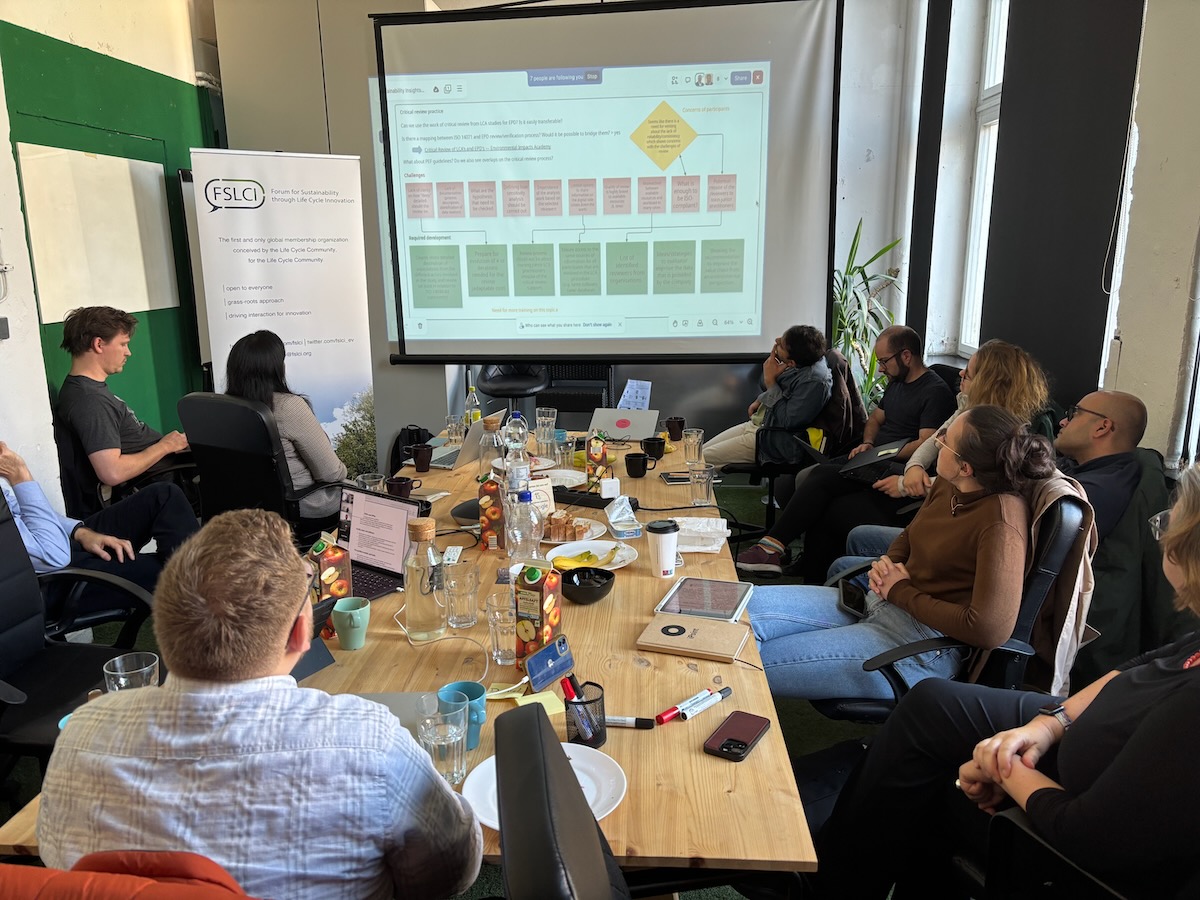
Critical review practice
Participants discussed certifying tools and software, pre‑verified templates, and harmonization among program operators to boost consistency and efficiency. Accessibility for SMEs surfaced as a priority, with calls for low‑cost, scalable solutions that reduce burden without diluting rigor. AI was framed as an enabler to augment, not replace, human expertise—useful for mapping, matching, completeness checks, and aiding sensitivity analysis. Challenges include variability across product categories and national standards, trust in AI‑generated outputs, and non‑trivial error rates that necessitate expert spot checks. Participants called for better data standardization and clearer guidance to ensure AI supports credible, reproducible outcomes. During the discussions, the difference between LCA critical reviews and EPD verifications was highlighted with regard to review depth, documentation, and expectations. Proposals included clearer guidance for reviewers and companies, aligned test datasets, better stakeholder communication, and computer‑readable files to enhance integration. The discussions clearly highlighted the need for better guidance and clarity on various issues, which will be outlined in more detail in the forthcoming workshop report!
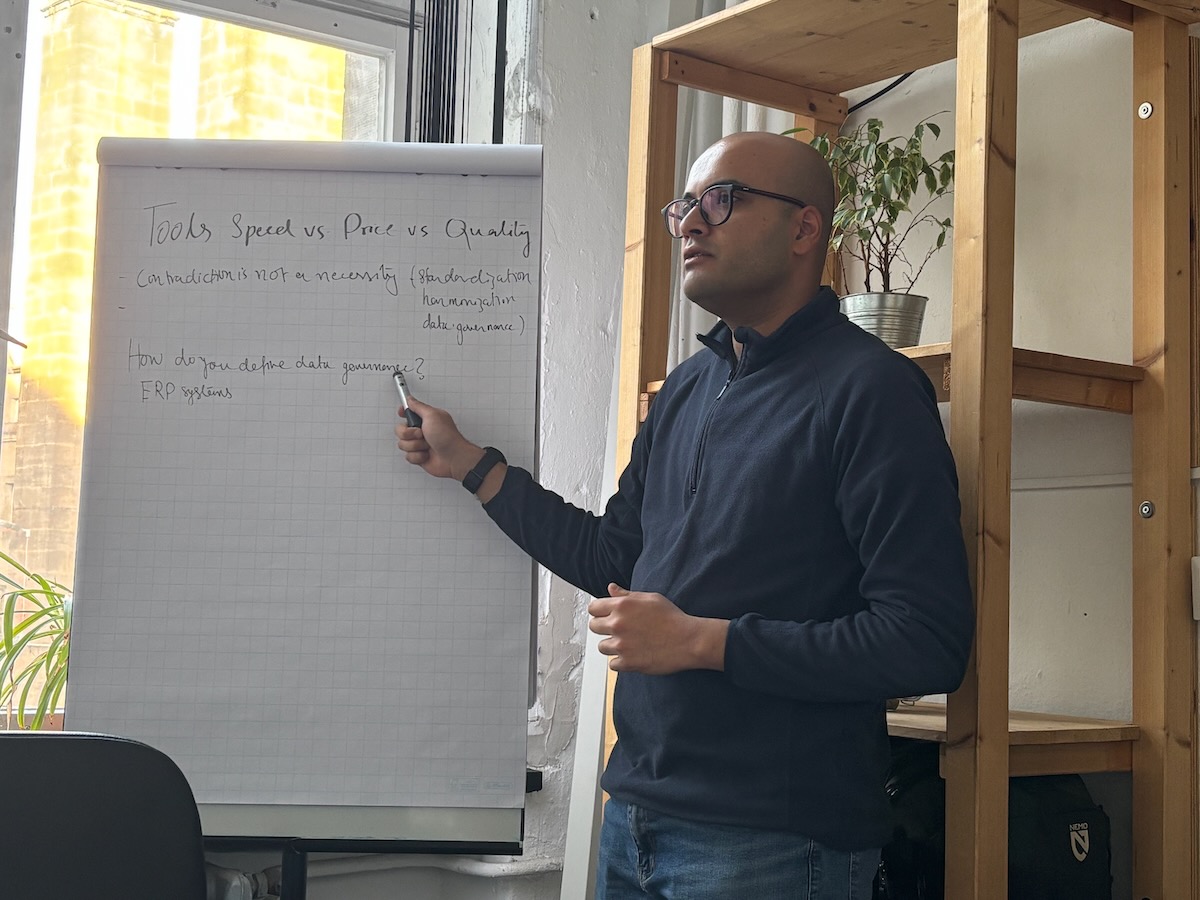
Following these discussions, participants proposed a number of additional topics which were then discussed as part of our participant-driven barcamp sessions. Topics that were discussed focused on themes such as “Digital ecosystem to support critical review and certification” or “Tools: Speed vs Accuracy vs Price”.
All in all, it was great to discuss the various topics with the workshop participants to identify issues that need to be addressed by the life cycle community going forward to further strengthen the credibility of LCA results and EPDs as the market for life cycle-based information continues to grow! In this context, we would like to thank all speakers for their input, all participants for their active participation in the workshop, and IBU EPD for supporting the event as a sponsor!
We are excited to continue these conversations with our members as well as the broader life cycle community, and are very much looking forward to the next Sustainability Insights workshop! Stay tuned for more to come soon!
We use cookies to enable key functionality on our website and our service.
Functional cookies
Always active
The technical storage or access is strictly necessary for the legitimate purpose of enabling the use of a specific service explicitly requested by the subscriber or user, or for the sole purpose of carrying out the transmission of a communication over an electronic communications network.
Preferences
The technical storage or access is necessary for the legitimate purpose of storing preferences that are not requested by the subscriber or user.
Statistics
The technical storage or access that is used exclusively for statistical purposes.The technical storage or access that is used exclusively for anonymous statistical purposes. Without a subpoena, voluntary compliance on the part of your Internet Service Provider, or additional records from a third party, information stored or retrieved for this purpose alone cannot usually be used to identify you.
Marketing
The technical storage or access is required to create user profiles to send advertising, or to track the user on a website or across several websites for similar marketing purposes.