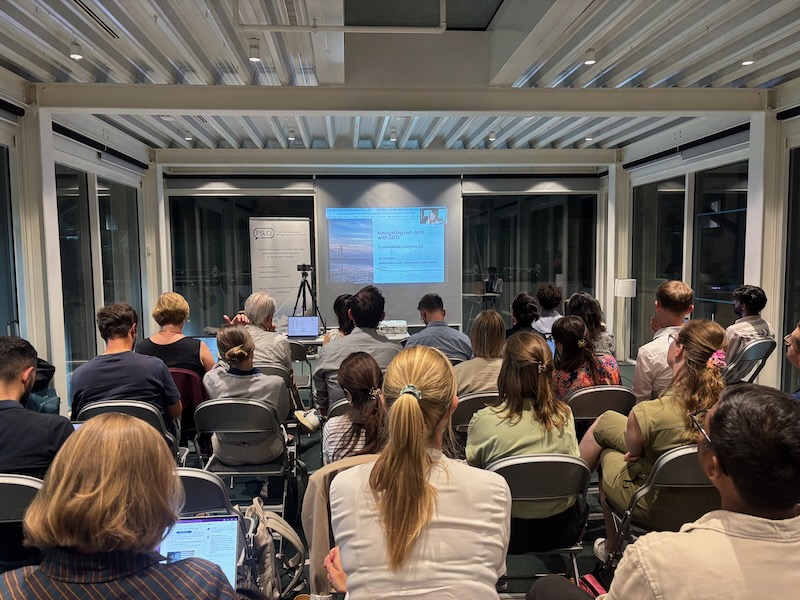
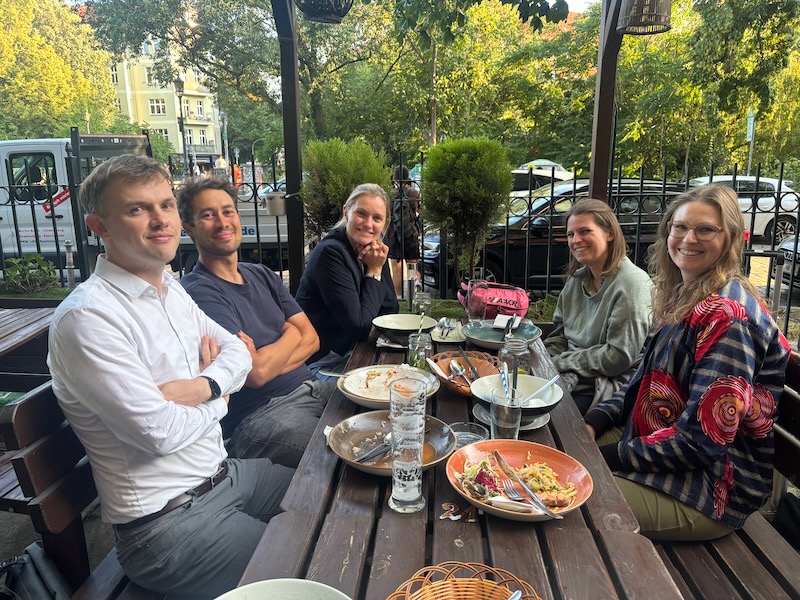
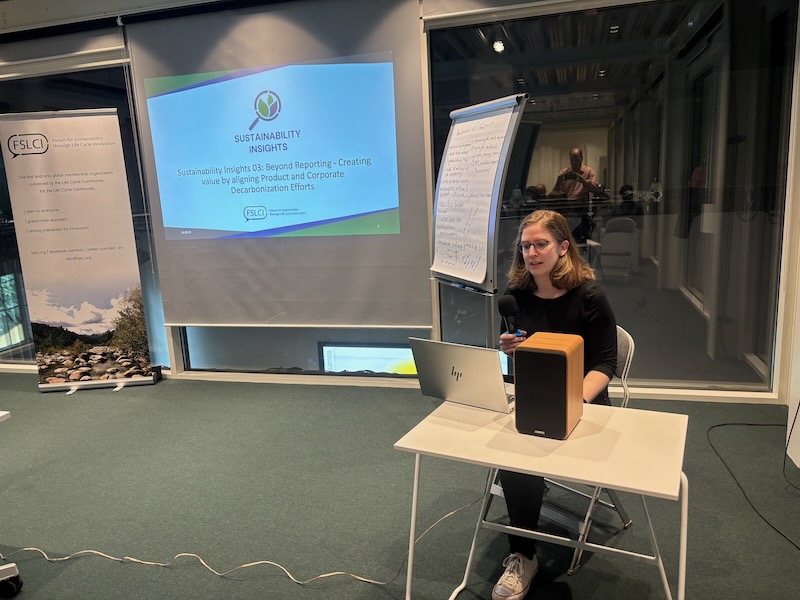
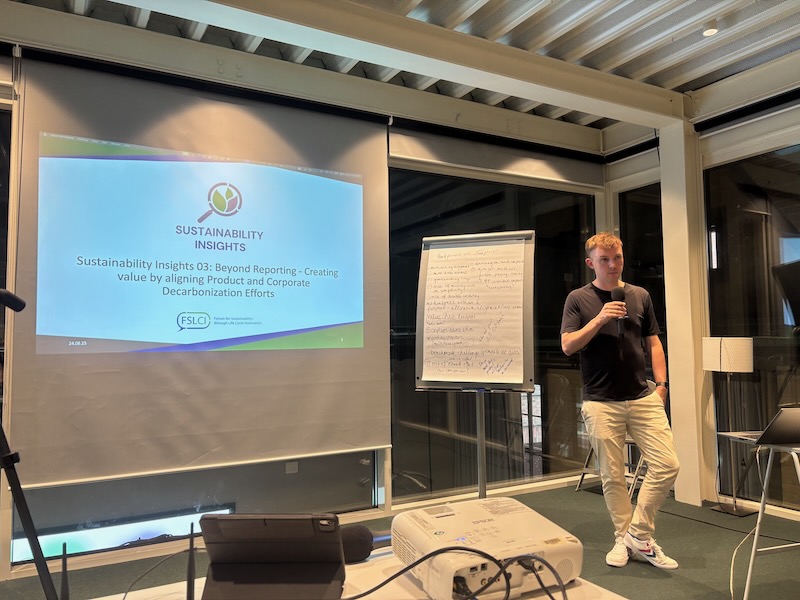
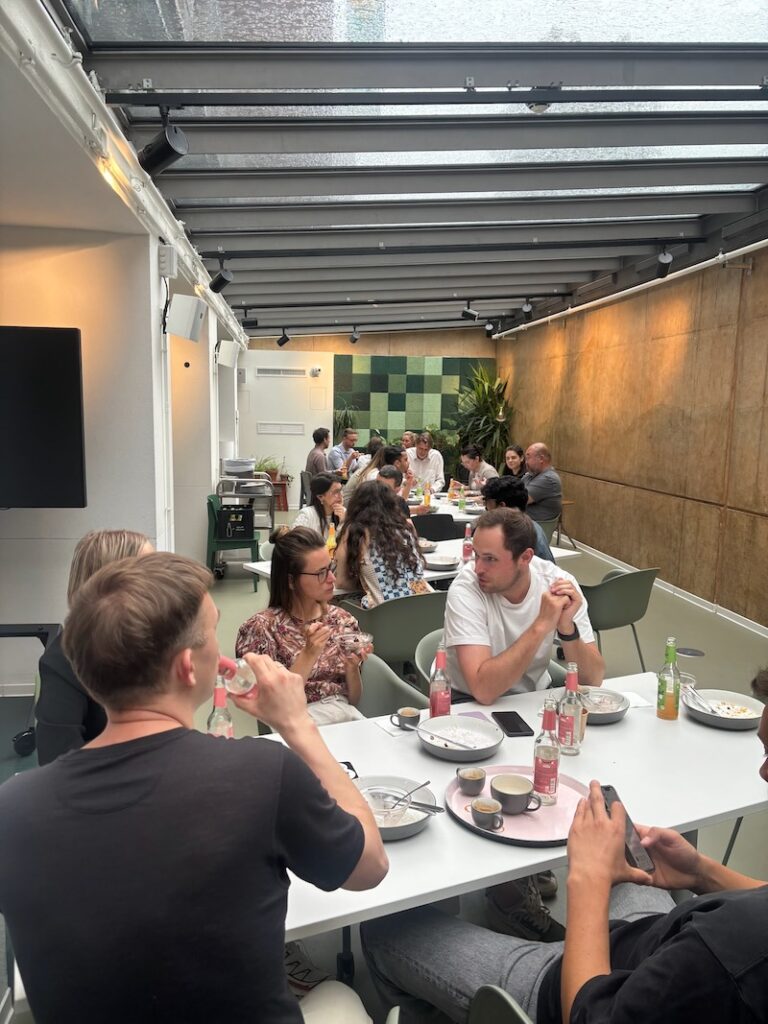
From June 23-24 the FSLCI hosted the third workshop of its Sustainability Insights workshop series as a hybrid event in Berlin as well as virtually. The two-day workshop was titled “Beyond Reporting: Creating Value by Aligning Product and Corporate Carbon Decarbonisation Efforts” and brought together around 50 participants to explore how greenhouse gas (GHG) reporting and life cycle thinking can be better integrated across corporate and product levels.
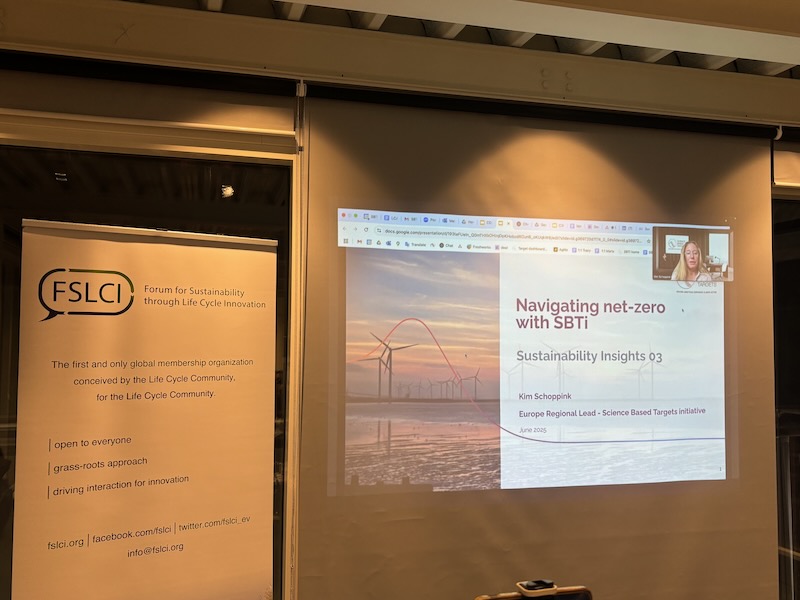
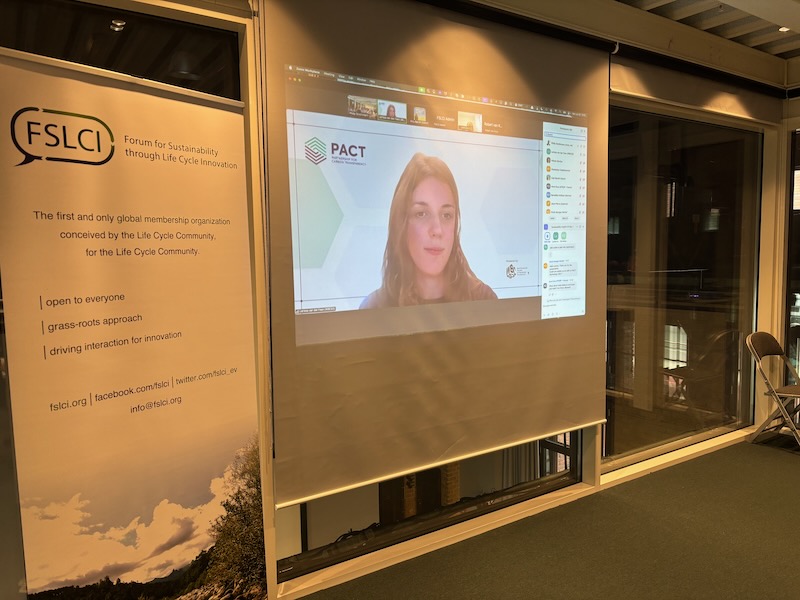
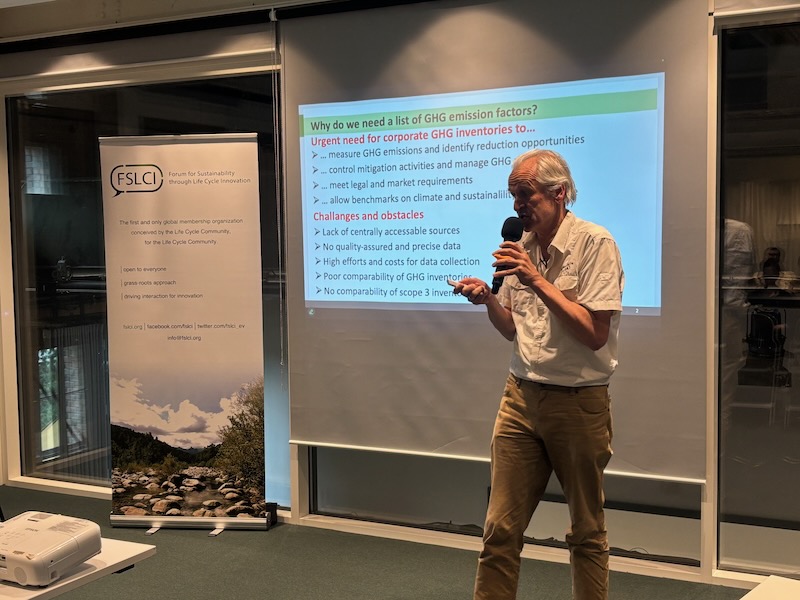
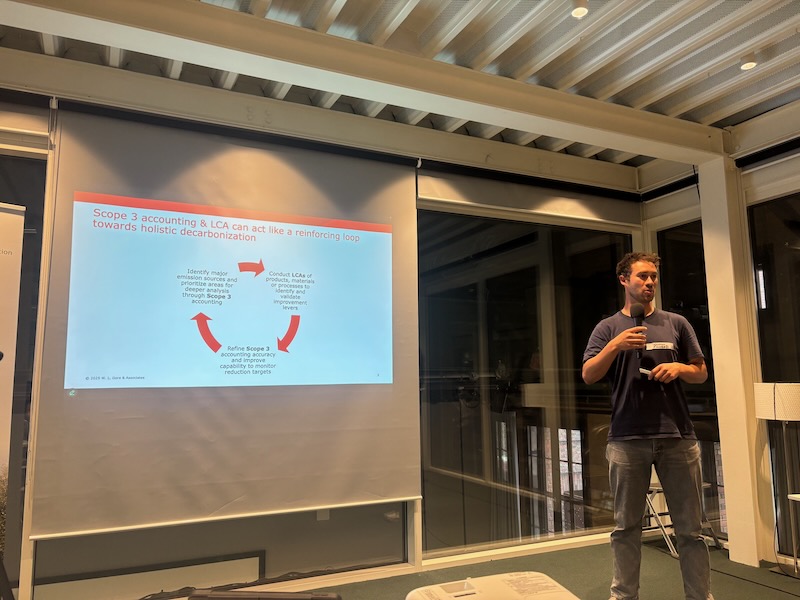
The first day set the stage with various presentations on key initiatives and topics. Martina Prox (FSLCI) opened the event and emphasized the increasing importance of non-regulatory drivers such as investor pressure in GHG reporting. Sashank Kumar (FSLCI) provided an update on the proposed EU Omnibus simplification package and shed light on upcoming regulatory changes and their likely implications for companies. Kim Schoppink (SBTi) explained how revised science-based targets can drive meaningful climate action, and Larissa van der Feen (WBCSD) shared insights on updates to the GHG Protocol and the PACT methodology, pushing for harmonized, higher-quality product carbon footprinting. Dr. Burkhard Huckestein from the German Environmental Protection Agency (UBA) complemented the introductory session with an overview of a new project on emission factors. During the following Industry Insights session, Joachim Aigner (Gore) and Felix Piontek (Zeiss) shared insights into their handling of corporate and product sustainability efforts and demonstrated how corporate LCA services can support both strategic decision-making and compliance.
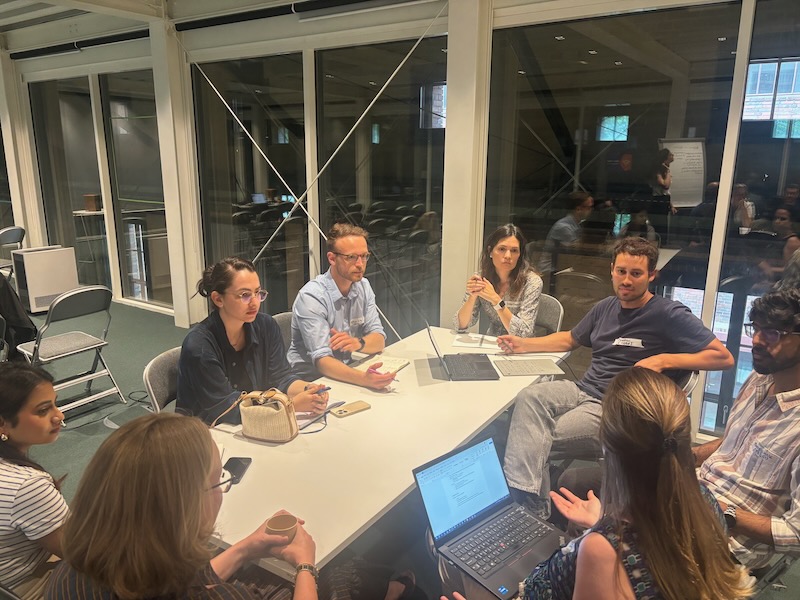
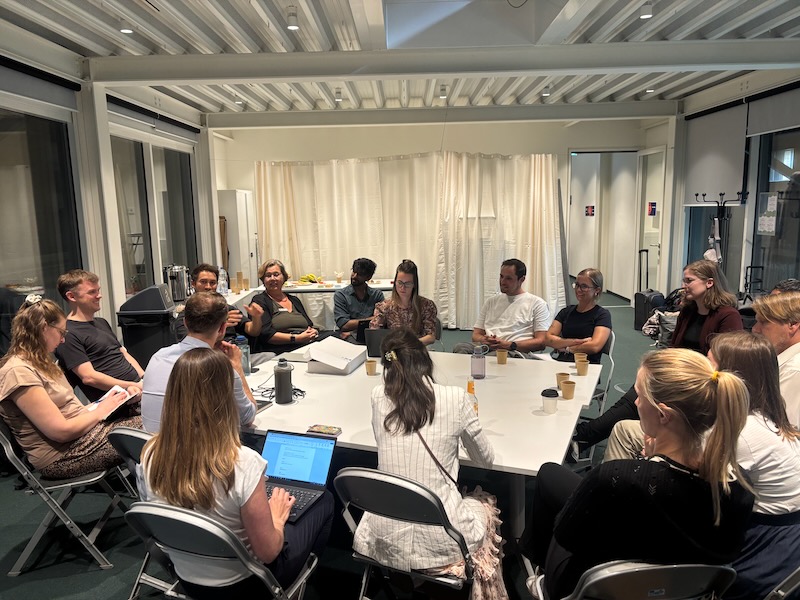
Following these presentations, participants split into three discussion groups, each focusing on one of the following key themes:
Footprint vs. Handprint
The first theme focused e.g. on the main limitations of footprint-centric assessments are in understanding the true environmental performance of a product, or how LCA methods can capture both the negative impacts (footprint) and the positive contributions (handprint) of a product or system.
Accuracy vs. Specificity
Discussions on the second theme focused e.g. on the definition of “accuracy” and “specificity” in the context of carbon footprinting and how supplier-specific datasets differ from LCA industry averages in terms of resolution, ownership, and quality.
Reporting vs. Action
In the last theme participants discussed e.g. the influence of PCF in design and what role LCAs/PCFs can play in targeting reduction levers within procurement or product development.
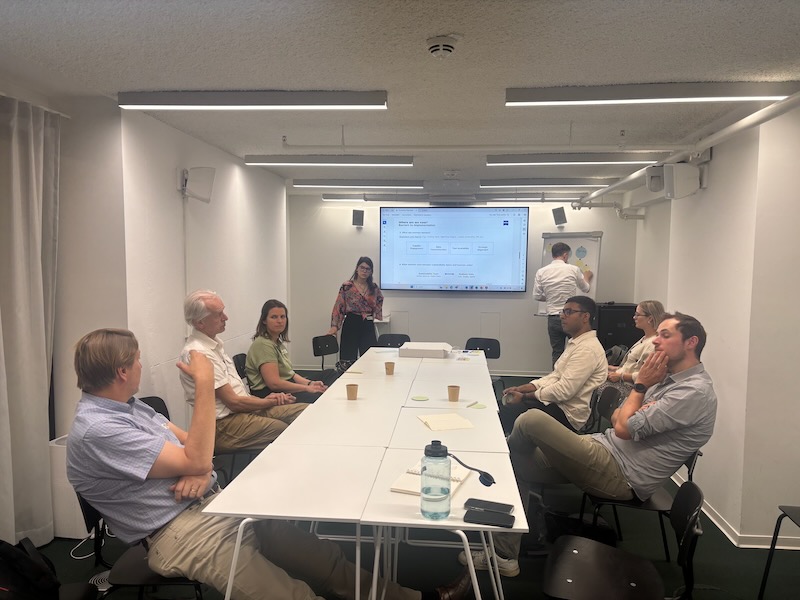
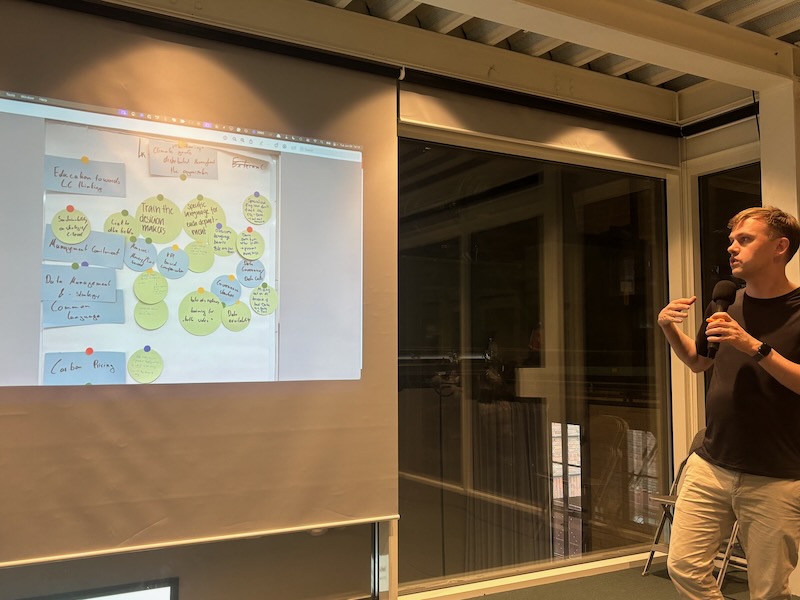
Following these initial rounds of discussions, which took place in a rotating discussion group format and continued into the second day, participants formulated possible avenues forward in response to the identified challenges, which will be shared in the form of a detailed workshop report in due course.
After lunch, participants had the opportunity to propose discussion topics to the group for the afternoon barcamp session. Topics that were discussed during this participant-driven part of the program included discussions on how to better address biogenic carbon in LCA, how to assess product portfolios, how to deal with the concept of mass balance or how to ensure that re-baselining e.g. with regards to new methane emission factors, is done properly.
All in all, it was fantastic to see participants come together with an interest, openness, and collaborative spirit, which was key to facilitate knowledge exchange but also fostered a collaborative community committed to driving credible, practical climate action. We would like to thank everyone who participated and are looking forward to the next Sustainability Insights workshop later this year. More details on that will be announced soon.